Choosing the best PCB laser cutting method is a significant decision. This choice can impact the quality and efficiency of your project. Understanding how to choose the right PCB laser cutting method requires knowledge of various techniques and their features.
Different methods cater to diverse needs. Factors such as material type, design complexity, and production volume play a crucial role. It is essential to assess these aspects carefully. However, many overlook the importance of compatibility with specific materials. This oversight can lead to costly mistakes.
Moreover, not all laser cutting methods are created equal. Some may seem superior but might not fit your requirements. Evaluating each option against your project goals is vital. Experience and research can help navigate these challenges. Ultimately, informed decisions lead to better outcomes in PCB laser cutting.
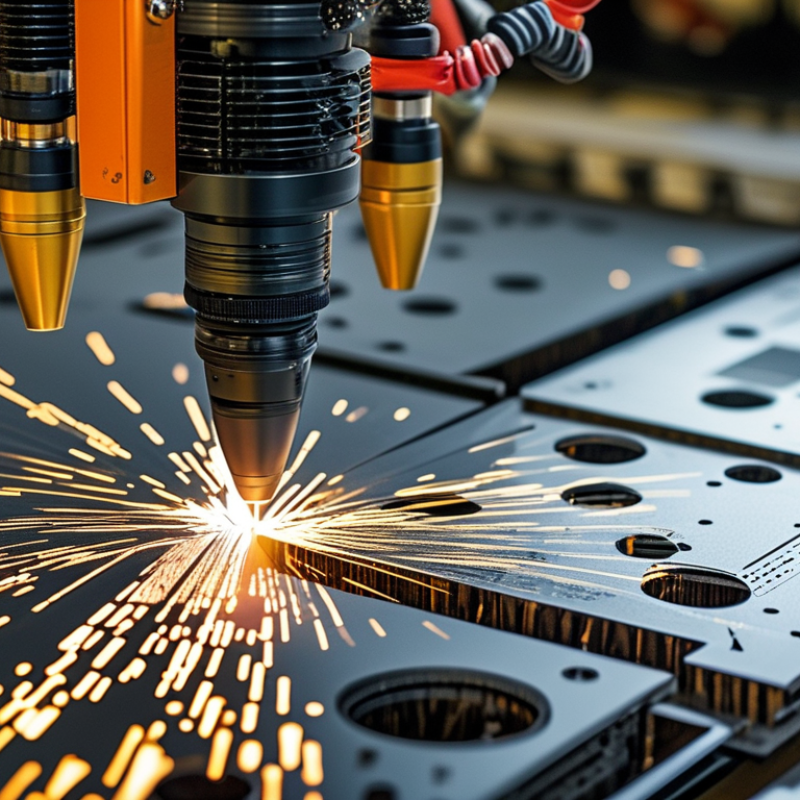
When it comes to PCB laser cutting methods, several techniques stand out, each suited for specific applications. CO2 laser cutting is commonly used for non-metallic substrates. It offers precise cuts and is cost-effective for smaller production runs. According to a recent industry report, CO2 laser systems account for 60% of the market share in PCB manufacturing due to their versatility. However, they may struggle with thicker materials, leading to discrepancies in quality.
Fiber laser cutting is another popular choice. It excels in cutting through metallic substrates efficiently. This method generates a focused beam, improving cutting speed and accuracy. Data from industry surveys indicate that fiber lasers can achieve up to 25% faster processing than CO2 lasers for metal PCBs. Yet, their higher cost may not be justified for low-volume production.
Ultraviolet (UV) laser cutting is also gaining traction, particularly in high-precision applications. It minimizes heat-affected zones, reducing the risk of damage to sensitive materials. However, the initial investment can be daunting for smaller firms. In choosing the right method, it’s crucial to assess your production volume and material types. Balancing speed, quality, and costs will guide you in selecting the optimal cutting approach.
: CO2 laser cutting is cost-effective for smaller production runs. It provides precise cuts on non-metallic substrates.
CO2 lasers may struggle with thicker materials, affecting quality. This can be a crucial factor in your choice.
Fiber lasers cut metallic substrates more efficiently. They offer faster processing speeds, but cost can be a concern.
UV laser cutting is ideal for high-precision applications. It minimizes damage to sensitive materials during the process.
Material type, desired precision, and cost are key factors. Understanding them helps in making an informed choice.
Precision affects the quality of the final product. Some projects need high tolerances, while others may not.
Budget constraints can limit options. Higher-quality laser systems require more investment but may offer better outcomes.
Yes, sometimes a simpler method meets requirements well. Reflecting on your needs helps in finding the right balance.
Different materials react differently when cut. Understanding these reactions is vital for achieving the best results.
Consider if the additional expense leads to better long-term results. It’s essential to evaluate your production needs.
In "How to Choose the Best PCB Laser Cutting Method for Your Needs," the article explores various PCB laser cutting techniques and their specific applications in manufacturing. It provides a comparative analysis between CO2 and fiber laser cutting, highlighting their distinct advantages and ideal use cases. Key factors influencing the selection process include material type, thickness, and production volume, which are crucial in determining the most effective approach.
Additionally, the article examines cost-effectiveness and efficiency metrics, offering insights into how to choose the right PCB laser cutting method for different operational needs. With an eye towards future trends, it discusses upcoming technologies and market projections, showcasing innovations that may shape the future of PCB manufacturing. Overall, this comprehensive guide serves as a valuable resource for manufacturers seeking to optimize their PCB laser cutting techniques.

 Focus Laser