In the competitive landscape of electronics manufacturing, efficiency and precision are paramount. A key technology shaping this industry is laser cutting. The question arises: why do electronics factories use laser cutting systems? These systems offer remarkable precision in cutting intricate designs, which is essential for modern electronic components. Companies increasingly rely on laser technology to enhance production quality and reduce material waste.
Laser cutting provides a non-contact method, minimizing the risk of damage to sensitive materials. Additionally, its speed and accuracy result in faster turnaround times, enabling manufacturers to meet growing consumer demands. These benefits position laser cutting as a preferred choice over traditional methods.
However, challenges exist. Initial investment costs for laser systems can be high. Not all factories may have the expertise to operate and maintain this technology effectively. This leads to an ongoing conversation about training and sustainability in utilizing such advanced systems. Despite these concerns, the advantages continue to drive the adoption of laser cutting in electronics factories.
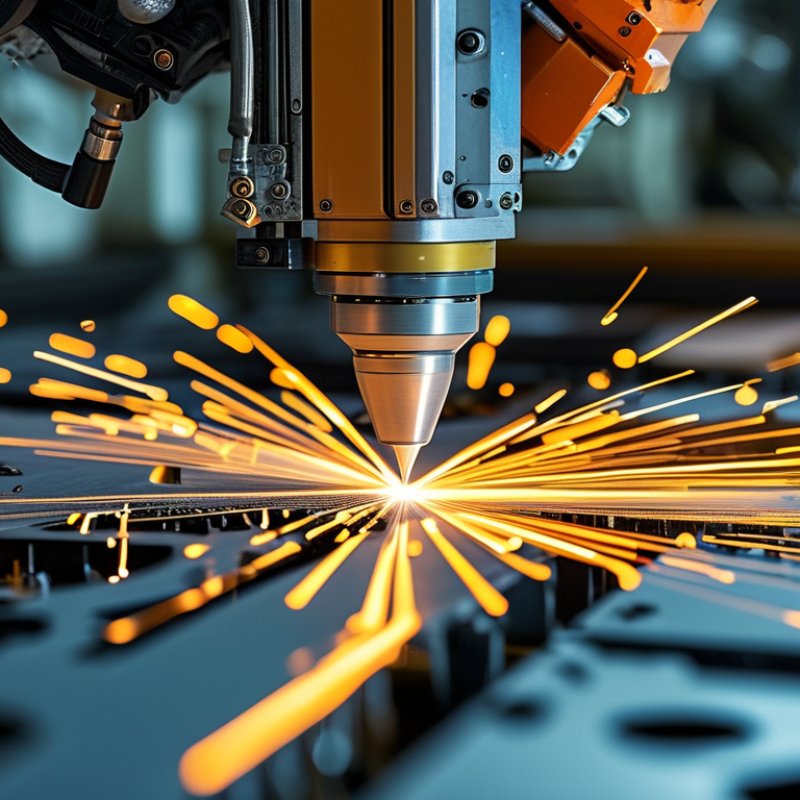
Laser cutting systems are becoming the backbone of electronics manufacturing. Their precision is unmatched, allowing for intricate designs on small components. Manufacturers save time, reduce waste, and ensure high-quality outputs with minimal errors. The ability to cut various materials adds to the versatility of this technology.
One notable advantage of laser cutting is its speed. Laser systems can operate continuously, producing high volumes quickly. This rapid processing is crucial in meeting tight deadlines. Efficiency can also lead to cost savings. Lower material waste means better resources management. However, not all designs translate seamlessly to laser cutting.
Tips: Always assess material compatibility with laser cutting. Some materials may react negatively, causing unwanted effects. Additionally, regular maintenance is key to operation. An uncalibrated system can hamper productivity. Identifying areas of improvement is essential for optimization. Continuously evaluate processes for better performance over time.
The cost efficiency of laser cutting systems is a key driver behind their popularity in electronics factories. According to recent industry studies, laser cutting technology can reduce manufacturing costs by up to 30%. This efficiency comes from lower energy consumption and minimal material waste. Laser systems target specific cutting areas, which means less scrap material and more effective use of raw resources.
In the competitive electronics market, saving on operational costs is crucial. A report from the International Journal of Advanced Manufacturing Technology indicated that manufacturers using laser cutting report faster production times. They benefit from automation that streamlines the cutting process. In fact, laser systems can operate continuously, providing around-the-clock productivity without a significant increase in labor costs.
Despite its many advantages, there are challenges. Initial investment in laser cutting technology can be high. Some factories find it difficult to train staff on these advanced systems. Regular maintenance is needed to avoid downtime. These factors warrant careful consideration. However, the potential for significant cost savings and efficiency improvements often outweighs the drawbacks.
Laser cutting has become a go-to technology in electronics manufacturing. Its precision is unmatched, allowing for intricate designs and exact dimensions. A recent report indicates that the laser cutting market is projected to grow at a compound annual growth rate (CAGR) of over 7% by 2027. This growth directly reflects the increased demand for high-accuracy components in the electronics sector.
Accurate laser cutting systems can achieve tolerances of ±0.01 mm. This is critical when working with microelectronic parts, where even slight deviations can lead to failures. Additionally, laser cutting minimizes kerf width, ensuring minimal material waste. However, the technology isn’t free from limitations. Laser cut edges can sometimes require post-processing to achieve the desired finish, which can slow down production timelines.
The high-speed nature of laser cutting also enhances productivity. For instance, systems can cut materials at speeds exceeding 1,500 mm per second. This capability allows factories to meet tighter deadlines without compromising quality. Still, the initial investment in high-quality laser systems can be significant. As factories strive for efficiency, they must weigh these costs against long-term operational benefits.
Laser cutting technologies have become a game-changer for electronics factories. Their flexibility and versatility allow manufacturers to create intricate designs with remarkable precision. Unlike traditional cutting methods, lasers can handle various materials, such as metals, plastics, and ceramics. This capability enables factories to adapt quickly to changing demands and produce customized parts efficiently.
In addition, laser cutting systems minimize waste. The high accuracy of laser cuts reduces excess material, leading to cost savings. However, not all laser systems are created equal. Certain setups may require significant investment and maintenance. It's essential to assess whether the operational advantages outweigh these initial costs.
**Tips:** Always consider the type of material you will cut. Different lasers work better on specific materials. Regular maintenance of your laser system is crucial. This keeps equipment in optimal condition and extends its lifespan. Lastly, train your staff thoroughly in laser operation. Skilled operators can prevent costly mistakes and enhance productivity.
Laser cutting systems have gained popularity in electronics factories due to their safety and environmental benefits. These systems reduce hazards associated with traditional cutting methods. The use of high-powered lasers minimizes physical contact with materials, lowering the risk of accidents. Operators experience fewer injuries because they can work from a safe distance. Enhanced safety protocols are essential in any workplace, and laser cutting effectively addresses this concern.
Environmentally, laser cutting presents advantages over conventional methods. It generates less waste, as lasers can make precise cuts and reduce excess material. This precision also means less energy consumption. However, some emissions can occur during the cutting process. Factories must maintain proper ventilation and filtration systems to manage these impacts. It is an area that requires constant improvement and reflection. Factories must balance efficiency and sustainability. They may not always achieve this, but striving for better practices is vital for industry growth.
This chart illustrates the main reasons why electronics factories prefer laser cutting systems, focusing on safety and environmental considerations.
: The laser cutting market is projected to grow at a CAGR of over 7% by 2027.
Precision is vital because even small deviations can lead to failures in microelectronic components.
Accurate systems can achieve tolerances of ±0.01 mm, ensuring high precision.
Laser cutting minimizes kerf width, resulting in less material waste during production.
Laser cut edges may need post-processing to achieve a desired finish, which can delay production.
Systems can cut materials at speeds exceeding 1,500 mm per second, boosting productivity.
Manufacturers must weigh initial investment costs against long-term operational benefits of laser systems.
Regular maintenance is crucial to keep laser systems in optimal condition and extend their lifespan.
Skilled operators can prevent costly mistakes and enhance overall productivity in laser cutting.
Yes, laser cutting excels at working with metals, plastics, and ceramics, offering versatility.
In today's electronics manufacturing landscape, the question of "why do electronics factories use laser cutting systems" is increasingly relevant. Laser cutting offers numerous advantages, including superior precision and accuracy, which are essential for the intricate components typical in this industry. The technology allows for clean cuts and minimized material wastage, contributing to cost efficiency—a significant factor for factories looking to optimize their production processes.
Moreover, the flexibility and versatility of laser cutting technologies enable manufacturers to easily adapt to varying design requirements and production volumes. This adaptability is crucial in a rapidly evolving market. Furthermore, laser cutting systems often incorporate safety features that enhance working conditions and adhere to environmental standards, making them a sustainable choice for modern electronics factories. Overall, the combined benefits of efficiency, accuracy, and safety make laser cutting systems an indispensable asset in electronics manufacturing.

Focus Laser