In modern PCB manufacturing, the integration of advanced technologies like laser cutting has become crucial. Dr. Emily Tran, an expert in electronic fabrication, emphasizes, “Laser cutting enhances precision and reduces waste, making it vital for PCB production.” Understanding why laser cutting is used for PCB manufacturing reveals its profound impact on the industry.
Laser cutting offers unmatched accuracy in shaping intricate designs required for PCBs. Traditional methods often fall short in achieving the fine details that modern electronics demand. The precision of laser cutting minimizes errors, leading to higher-quality products. This technique reduces material waste, ensuring economic efficiency in production processes.
Nevertheless, the adoption of laser cutting presents challenges. Initial setup costs can be significant, and expertise is required to operate these machines effectively. As the industry evolves, addressing these drawbacks is essential. Companies must weigh the benefits against potential complications. This ongoing reflection is crucial as the demand for efficient PCB manufacturing grows.
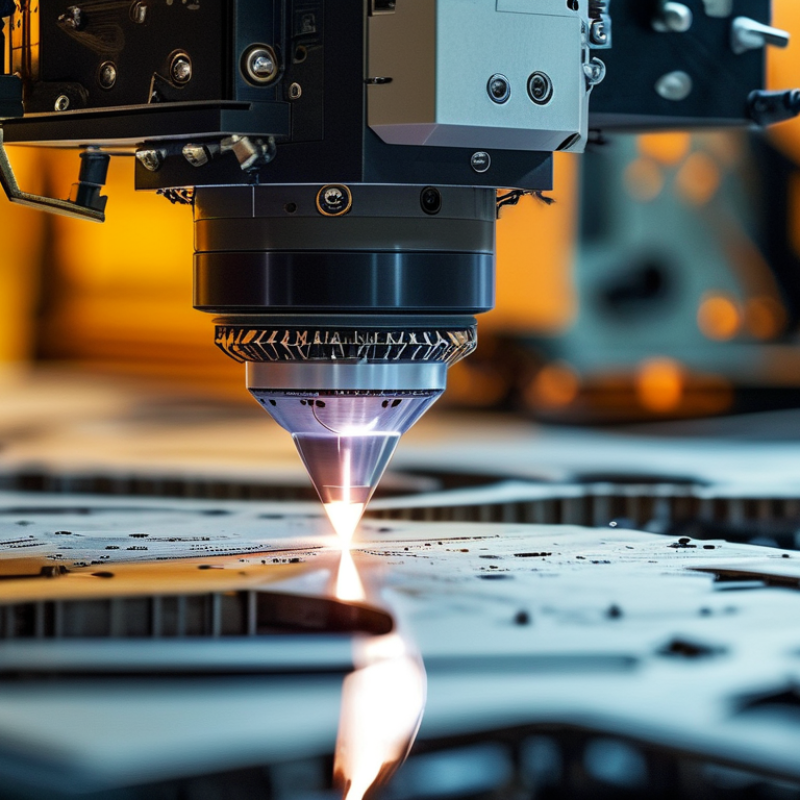
In the intricate world of PCB manufacturing, precision is paramount. Each circuit board must meet strict specifications to ensure functionality and reliability. Laser cutting plays a crucial role in achieving this precision. It allows for clean edges and accurate dimensions that traditional cutting methods struggle to provide. As components on PCBs become smaller, the need for precise cuts grows even more critical.
The laser cutting process enables manufacturers to create complex designs with ease. High-powered lasers can cut through various materials, ensuring minimal error. However, this process is not without challenges. Operators must constantly monitor the settings and make adjustments. Calibration issues can lead to defects. Even minor mistakes in laser settings can result in unusable boards. This highlights the need for skilled technicians who understand both the technology and the intricacies of PCB design.
Moreover, efficiency is often a double-edged sword. While laser cutting boosts production speed, the technology requires significant investment and maintenance. A laser cutter that is not maintained properly may lead to an increase in waste. This can be frustrating and costly for manufacturers. Balancing speed and quality remains a continual struggle in the industry, showcasing the importance of precision in PCB manufacturing.
| Aspect | Description | Impact on PCB Manufacturing |
|---|---|---|
| Precision | Laser cutting machines provide precise cuts with tolerances as low as ± 0.01 mm. | Ensures components fit perfectly, reducing rework and waste. |
| Speed | Laser cutting is faster than traditional methods, allowing for quicker turnaround times. | Increases productivity and meets tight deadlines. |
| Flexibility | Can cut various materials (copper, FR4, etc.) and complex shapes. | Facilitates the design of intricate and customized PCBs. |
| Reduced Heat Affected Zone (HAZ) | Laser cutting minimizes heat transfer to surrounding materials. | Prevents damage to sensitive components and maintains material integrity. |
| Cost-Effectiveness | While initial investment is high, overall costs decrease due to reduced material waste and increased efficiency. | Leads to lower manufacturing costs in the long run. |
: Laser cutting technology is crucial for PCB manufacturing, offering precision and efficiency.
Laser cutting can achieve tolerances as tight as ±0.01 mm, essential for modern electronics.
Maintaining precision is a challenge. Proper tuning of laser parameters is necessary to avoid issues.
No, some materials, like certain plastics, may melt or char during the process, affecting integrity.
Regular training for operators and reviewing processes can lead to better efficiency and accuracy.
It allows for intricate designs with minimal waste, improving yield in high-volume production.
Yes, companies using laser cutting can reduce cycle time by up to 30%, enhancing efficiency.
Yes, engineers can quickly adjust designs, which is critical in rapid prototyping.
Small adjustments to techniques and equipment can greatly enhance overall cutting quality.
Yes, heat-affected zones can impact performance, and not all materials are suitable for this method.
In the realm of PCB manufacturing, precision is paramount, and this is where laser cutting technology comes into play. The question of "why is laser cutting used for PCB manufacturing" is addressed through its superior accuracy and efficiency compared to traditional methods. Laser cutting allows for intricate designs and minimal material waste, making it an ideal choice for modern electronic components.
Moreover, the versatility of laser cutting technology enables its application across various stages of PCB production, from cutting substrates to etching complex circuit patterns. As the industry evolves, the future of laser cutting looks promising, with advancements expected in speed, precision, and automation, further solidifying its essential role in PCB manufacturing processes. Overall, laser cutting stands out for its unmatched capabilities, elevating the quality and performance of PCBs in a competitive market.

 Focus Laser