The demand for high-quality smartphone screens continues to rise. To meet this demand, manufacturers seek methods that ensure precision and durability. This is where laser technology comes into play. But why is laser used for smartphone glass processing?
Lasers offer remarkable accuracy when cutting and engraving glass. They minimize defects, reducing the need for extensive finishing processes. This leads to faster production times and lowers costs. However, not all lasers are created equal, and each type has its specific applications. Over-reliance on a single technique could limit innovation.
Additionally, while laser technology is efficient, it requires skilled operators. Not every facility can meet these training demands. Companies must continuously adapt to new advancements in laser systems. This ongoing evolution poses both opportunities and challenges. Ultimately, the choice of laser processing reflects a commitment to quality that aligns with consumer expectations.
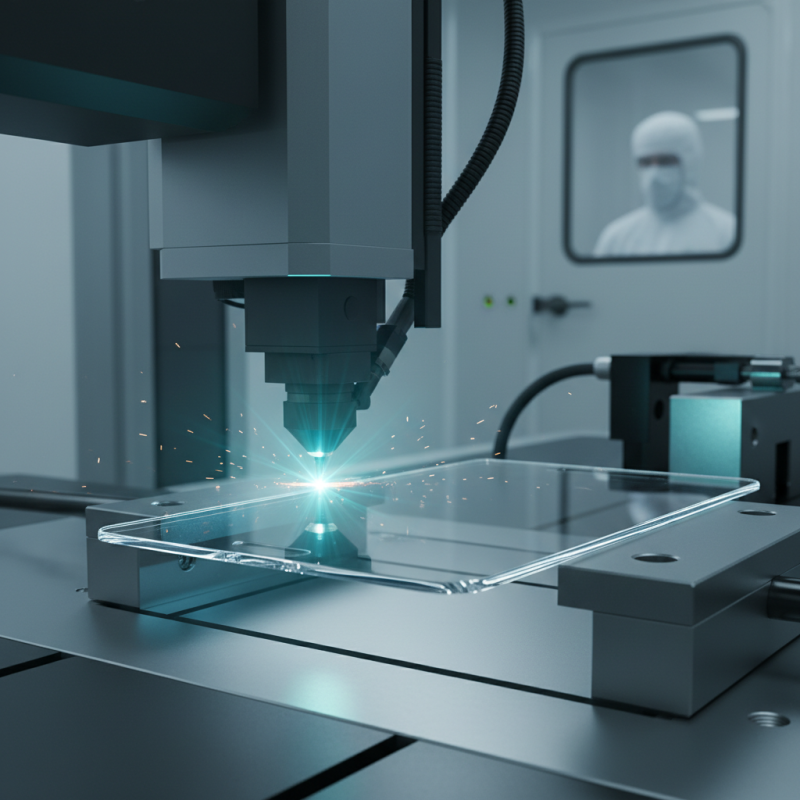
Advantages of Laser Technology in Smartphone Glass Processing
Laser technology stands out in smartphone glass processing for several reasons. Its precision is unparalleled. Lasers can cut glass into complex shapes with high accuracy. This results in minimal waste and better efficiency. Compared to traditional methods, laser cutting reduces the need for extensive tooling. It makes the process faster and more flexible.
Another key advantage is the ability to handle thin materials. Smartphone screens require delicate handling. Lasers do not exert much pressure, which prevents cracks during manufacture. This precision translates into high-quality final products. The surfaces remain smooth, which enhances visual appeal.
However, laser processing isn't without challenges. Initial setup costs can be higher than standard cutting methods. There’s also a need for skilled operators. Unexpected issues can arise, leading to production delays. Despite these drawbacks, the long-term benefits make lasers a reliable choice for glass processing in smartphones.
Precision and Accuracy: The Role of Lasers in Cutting and Shaping
Laser technology has revolutionized smartphone glass processing, delivering unmatched precision and accuracy. The ability to cut and shape glass with lasers minimizes the risk of breakage. This capacity ensures that intricate designs are faithfully executed, aligning perfectly with artistic ambitions. Manufacturers benefit from reduced waste, translating into cost-effective production methods.
For optimal results, consider the type of laser used. Different lasers offer varying power and wavelengths, affecting their efficiency in glass cutting. It's essential to choose the right one to avoid common pitfalls, such as overheating or inadequate cuts. Regular maintenance of laser equipment enhances performance and lifespan.
One of the challenges in laser processing is achieving consistent results across different glass types. Variation in thickness or texture may affect outcomes. Continuous experimentation and attention to detail are vital to refine techniques. Technicians are encouraged to document processes and outcomes for future reference. Embracing imperfection can lead to innovative solutions, improving overall quality while pushing the boundaries of creativity.
Speed and Efficiency: How Lasers Enhance Production Rates
Laser technology plays a vital role in smartphone glass processing. Its speed significantly enhances production rates. By using lasers, manufacturers can cut, drill, and engrave glass much faster than traditional methods. This efficiency translates to shorter lead times and reduced costs.
Moreover, lasers ensure precision. They create clean edges without the need for further finishing. This can decrease the waste of materials, a critical aspect in high-volume production. However, the setup for laser systems can be complex. Not all operators have the required experience. This potential learning curve can impact initial productivity.
Additionally, while lasers provide fantastic results, they also generate heat. Managing this heat is crucial to avoid warping. It's essential to strike a balance between speed and quality. Monitoring and adjustments may be necessary. This ensures that all glass pieces meet the desired standards, allowing for durable and attractive smartphones.
Why is Laser the Best Choice for Smartphone Glass Processing? - Speed and Efficiency: How Lasers Enhance Production Rates
| Processing Method |
Speed (units/hour) |
Efficiency (%) |
Quality Rating (1-10) |
| Laser Cutting |
300 |
95 |
9 |
| Diamond Blade Cutting |
150 |
85 |
7 |
| Waterjet Cutting |
100 |
75 |
6 |
| Traditional Saw Cutting |
80 |
70 |
5 |
Versatility of Laser Techniques for Various Glass Types
Laser technology offers unmatched versatility when processing various types of glass for smartphones. With different laser techniques available, manufacturers can accurately cut, engrave, and treat glasses like Gorilla Glass and sapphire, widely used in mobile devices. Research indicates that laser processing can reduce material waste by up to 30%, optimizing manufacturing efficiency. The precision of laser allows for intricate designs that might be challenging for traditional methods.
Different lasers, such as CO2 and fiber lasers, cater to specific glass types. CO2 lasers are effective for organic glass materials, while fiber lasers excel with harder substrates. Data collected from industry reports suggests that the global laser processing market is projected to grow to $10 billion by 2025, reflecting its increasing popularity. However, mastering these techniques is not straightforward. Each type of glass responds differently, posing challenges in settings like temperature management during cutting.
Even with advancements, there are limitations. For instance, high-speed applications may lead to cracking if not properly controlled. Manufacturers must continually refine techniques to minimize defects. There’s also a need for ongoing training and expertise development in the workforce. As laser technology evolves, the potential for improved efficiency and precision remains a focal point for industry leaders, yet constant vigilance is essential to address emerging challenges.
Environmental Impact: The Sustainability of Laser Processing Methods
Laser processing has emerged as a sustainable option for smartphone glass manufacturing. Traditional methods often generate significant waste. In contrast, lasers are precise and efficient. They minimize material waste, helping to preserve valuable resources.
Laser technology uses less energy compared to conventional cutting methods. This reduced energy consumption translates to a lower carbon footprint. Companies focused on environmental impact should consider this benefit. Employing laser processing showcases a commitment to
sustainability and innovation.
Tips: Regular maintenance of laser equipment can enhance efficiency. Emphasize training for operators to maximize the technology’s potential. Always examine the cooling systems; they play a crucial role in performance.
While lasers are eco-friendly, there are challenges to consider. The initial investment in laser technology can be high. Not all operations may benefit equally from this method. A thorough analysis is necessary to determine feasibility. However, the long-term environmental benefits can outweigh these upfront costs.
FAQS
: The main advantage is precision. Lasers cut glass with high accuracy and minimal waste.
Lasers cut, drill, and engrave much faster than traditional methods, resulting in shorter lead times.
Challenges include higher initial setup costs and the need for skilled operators. Unexpected issues can cause delays.
Managing heat is crucial to avoid warping. This ensures quality in the final glass products.
Laser processing minimizes material waste and uses less energy, leading to a lower carbon footprint.
Regular maintenance and operator training can enhance efficiency and maximize the technology’s benefits.
Yes, the initial investment can be high, and not all operations may benefit equally from lasers.
Laser processing results in smooth surfaces, enhancing visual appeal and overall product quality.
No, operators need experience. A learning curve can impact initial productivity and results.
Yes, monitoring and adjustments are necessary to ensure all pieces meet desired standards.
Conclusion
Laser technology has emerged as the preferred choice for smartphone glass processing due to its numerous advantages. One of the primary reasons why laser is used for smartphone glass processing is its exceptional precision and accuracy, which are crucial for cutting and shaping complex glass components. Lasers can produce intricate designs with minimal material waste, ensuring high-quality finished products.
In addition to precision, lasers significantly enhance production rates, leading to improved speed and efficiency in manufacturing. Their versatility allows for the processing of various types of glass, accommodating different design and durability requirements. Furthermore, laser processing is increasingly recognized for its sustainability, as it reduces energy consumption and minimizes environmental impact. Overall, the adoption of laser technology in smartphone glass processing not only meets the high demands of the industry but also aligns with eco-friendly practices.

 Focus Laser