In today's fast-paced electronic industry, the demand for precision and efficiency is paramount. Laser cutting has emerged as a revolutionary technology in enhancing electronic device performance. A report by MarketsandMarkets indicates that the laser cutting market is expected to reach $8.1 billion by 2026. This growth reflects the increasing need for high-quality manufacturing processes in electronics.
How does laser cutting improve electronic device performance? It offers unmatched accuracy compared to traditional methods. This precision minimizes material wastage and ensures the integrity of intricate designs. Moreover, laser cutting allows for rapid prototyping, which is essential for innovation. A study by Loughborough University highlighted that laser-cut components exhibit better thermal management, leading to enhanced device reliability.
Despite its advantages, laser cutting technology is not perfect. The initial investment can be high for some manufacturers. Additionally, variations in material types can affect processing outcomes, requiring careful calibration. However, the potential benefits of improved performance and reduced costs often outweigh these challenges. As the industry evolves, understanding the role of laser cutting will be crucial for future developments.
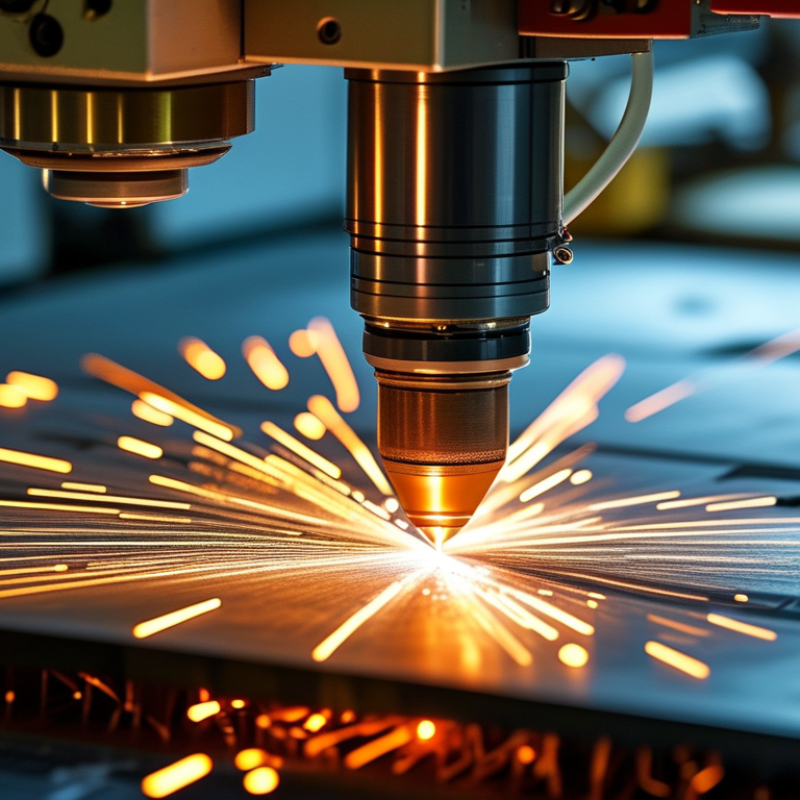
Laser cutting technology significantly enhances the performance of electronic components. Precision is paramount when creating intricate designs, especially in the world of electronics. With laser cutting, manufacturers achieve high accuracy in cuts and engravings. This level of detail results in better-fitting parts and reduced assembly issues.
Moreover, the clean edges produced by laser cutting minimize the risk of defects. Many traditional cutting methods may leave behind burrs or rough edges. These imperfections can lead to potential failure points in electronic devices. By using laser cutting, manufacturers improve the overall reliability of their products. It leads to longer-lasting devices that meet consumer expectations.
However, the technology is not without its challenges. Proper calibration is essential to maximize the effectiveness of laser cutting. Overwhelming variations in material types can pose difficulties. Manufacturers must stay informed about the latest advancements and refine their techniques. This reflection can drive innovation and push the boundaries of electronic device performance.
Advanced laser cutting techniques have revolutionized thermal management in electronic devices. By enabling precise cuts and intricate designs, these processes enhance heat dissipation and overall efficiency. Reports indicate that up to 30% of electronic failures stem from thermal issues, highlighting the need for better thermal solutions.
Laser cutting allows for the creation of complex cooling channels within components. These channels significantly improve airflow and heat transfer. For example, a study showed that integrating laser-cut cooling solutions could reduce thermal resistance by approximately 20%. This reduction leads to better performance in high-demand situations.
However, challenges remain. The precision required for effective thermal management is difficult to achieve consistently. Variability in materials can affect outcomes, causing shortcomings in thermal performance. It raises questions about reliability across different applications. Continuous innovation and testing are critical to overcoming these issues and harnessing the full potential of laser cutting in electronic device design.
Laser cutting technology is revolutionizing the electronics sector by significantly reducing material waste. A recent study revealed that traditional methods produce waste rates of up to 30%. In contrast, laser cutting can reduce waste to as low as 5%. This precision is crucial for manufacturers aiming to optimize resources while enhancing device performance.
Using lasers, manufacturers achieve clean cuts and intricate designs without the need for extensive material rework. This means less scrap and more efficient production cycles. According to the International Journal of Advanced Manufacturing Technology, laser cutting improves time efficiency by up to 40%. This efficiency translates into substantial cost savings for manufacturers and better products for consumers.
Tip: Monitoring waste levels can identify areas for improvement. Implementing laser cutting can lead to a greener operation, which is increasingly important for sustainability-minded consumers.
Yet, some manufacturers face challenges. Transitioning from traditional methods requires investment and training. It is essential to assess current production capabilities before making changes. Understanding the balance between initial costs and long-term savings is key for success.
Laser cutting technologies are revolutionizing circuit design, offering remarkable flexibility. This method allows for intricate patterns that traditional manufacturing cannot achieve. A study from the Institute of Electrical and Electronics Engineers (IEEE) highlights that laser cutting enhances precision by up to 30%. This accuracy translates into more efficient electronic devices, reducing errors and improving overall performance.
One significant advantage of laser cutting is the reduced size of electronic components. With the ability to create tiny, complex geometries, designers can fit more functionality into smaller spaces. According to a report from the International Journal of Electronics, devices using laser-cut technologies can be up to 40% smaller while maintaining performance. This miniaturization can lead to lower production costs but poses challenges in thermal management.
There is a risk of overheating in compact designs, which requires careful consideration. Another reflection is the potential for design iteration. Laser cutting allows rapid prototyping, enabling engineers to test and refine designs quickly. Yet, not all designs benefit equally from this method. Some components may emerge with poorer durability. Understanding the limitations is vital. Balancing flexibility and reliability is key to optimizing electronic device performance using laser cutting technologies.
Laser cutting technology has revolutionized the manufacturing of electronic devices by significantly boosting production speed and efficiency. According to a report from the McKinsey Global Institute, companies that implement advanced manufacturing techniques, such as laser cutting, can increase productivity by up to 20%. This improvement allows manufacturers to meet high consumer demand quickly without compromising quality.
Using laser cutting, manufacturers can achieve precise cuts in various materials. This precision reduces waste and minimizes the need for additional processes. A survey by the Manufacturing Institute found that 65% of companies reported reduced operational costs after adopting laser cutting technologies. This approach not only streamlines production but also enhances device performance by ensuring tighter tolerances and improved component compatibility.
While laser cutting offers numerous benefits, it requires a skilled workforce to operate the machinery effectively. Companies face challenges with training and maintaining qualified personnel. In addition, the initial investment in laser cutting technology can be substantial. Balancing these factors is crucial to maximizing the benefits of laser cutting in electronic device manufacturing.
: Laser cutting enhances precision, achieving high accuracy in cuts and engravings for better-fitting parts.
Laser cutting reduces waste significantly, from 30% with traditional methods to as low as 5%.
Transitioning to laser cutting requires investment and training, needing careful assessment of current capabilities.
It allows for intricate patterns and reduces the size of components, enabling more functionality in smaller spaces.
Not all designs benefit equally; some may have poorer durability, making it crucial to understand limitations.
Proper calibration and staying informed about advancements are essential for maximizing laser cutting effectiveness.
The article "Top 10 Ways Laser Cutting Enhances Electronic Device Performance" explores the various benefits of precision laser cutting in the electronics industry. It highlights how laser cutting improves electronic device performance by increasing the accuracy of electronic components, ensuring tight tolerances that enhance overall device functionality. Additionally, advanced laser cutting techniques contribute to better thermal management, which is crucial for maintaining optimal performance and longevity of electronic devices.
Another significant aspect discussed is the reduction of material waste, enabling more sustainable manufacturing practices in electronics. The flexibility in circuit design afforded by laser cutting technologies allows for innovative solutions and customizations, ultimately leading to more efficient production processes. By boosting production speed and efficiency, laser cutting proves to be a vital method in modern electronic device manufacturing, showcasing how does laser cutting improve electronic device performance in multiple dimensions.
Focus Laser