In recent years, glass laser processing has gained significant traction in various industries. According to a report by MarketsandMarkets, the global laser processing market is expected to reach $6.94 billion by 2025, driven by advancements in technology and increased demand for precision. However, what are common problems in glass laser processing that industry professionals frequently encounter?
One prevalent issue is glass cracking, often due to thermal stress during the cutting process. A study from the Journal of Laser Applications highlights that up to 20% of laser-cut pieces may exhibit defects if not managed properly. Additionally, edge quality is a concern; rough or chipped edges can detract from the final product’s aesthetic appeal. Inadequate focus alignment often leads to these imperfections, challenging the efficiency of production lines.
Moreover, variations in glass composition can affect the laser's effectiveness. Different types of glass absorb laser energy differently, causing inconsistencies in cutting quality. An industry report notes that understanding these variables can make or break a project. Professionals must continuously evaluate and refine their techniques to address these challenges. Engaging with experts and utilizing the latest innovations can guide manufacturers toward more reliable outcomes.
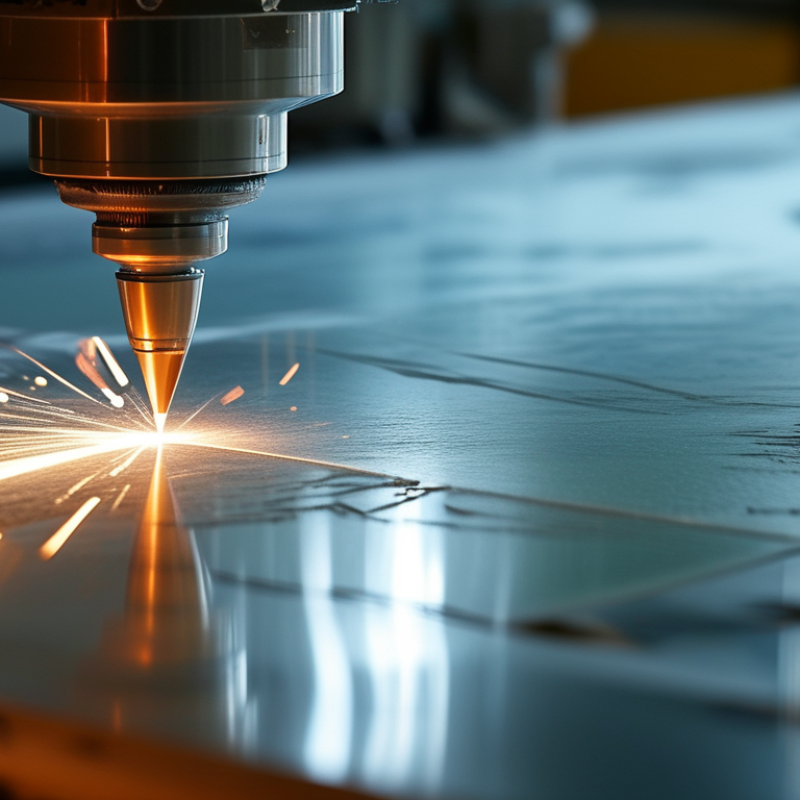
Glass laser processing can present several common challenges.
Heat management is critical.
High temperatures can lead to thermal stress, causing cracks or warping. According to a report from the
Laser Institute of America, improper heat distribution can reduce
product yield by up to 30%. Understanding thermal dynamics is essential for effective processing.
Another issue arises with the quality of the laser beam. Inconsistent beam quality can produce uneven cuts or engravings.
A recent study indicated that a
15% variation in beam focus can result in noticeable defects.
Regular maintenance of equipment is crucial to ensure optimal performance.
Operators must also be aware of material properties.
Different glass types respond uniquely to laser energy. For example, borosilicate glass has a lower thermal conductivity
compared to soda-lime glass, affecting the speed of processing. This variability can lead to unexpected outcomes,
urging engineers to adapt their approaches frequently. Understanding these issues is essential for improved outcomes
in glass laser processing.
Glass laser processing presents unique challenges that require careful consideration. One major issue is the risk of thermal stress fractures. Laser cutting or engraving generates heat that can create stress points in the glass. According to the Laser Institute of America, up to 30% of laser cutting jobs can be affected by thermal-related defects. This highlights the importance of selecting the proper laser settings to minimize heat input and control the processing speed.
Another challenge lies in achieving precise cuts. The glass material's reflective qualities can distort the laser beam path. Reported failures in achieving tolerance levels can reach up to 15% in some applications. This concern demands laser equipment with advanced beam shaping capabilities. Operators need to be aware of these limitations and should invest in comprehensive training to enhance their understanding of glass processing techniques. This emphasis on skill development can help mitigate errors.
Additionally, laser cleanliness is crucial. Contamination on either the glass or the laser lens can lead to reduced efficiency and increased scrap rates. Research indicates that maintaining equipment cleanliness can improve operational efficiencies by 25%. Regular maintenance checks and thorough cleaning regimes are necessary to ensure optimal performance. Recognizing these challenges is the first step toward effective solutions in glass laser processing.
Laser cutting glass is delicate work. Cracking is a common issue that can compromise projects. To mitigate this, several techniques can be applied.
One effective method involves using lower power settings during the initial cuts. This helps to gradually warm the glass, reducing thermal stress. Consider adjusting the speed as well. Slow cutting can allow for better absorption and minimize cracking. Pre-heating the glass in a controlled environment also works wonders. This process can help in maintaining a uniform temperature across the material.
**Tips:** Ensure that the workspace is free from drafts. Sudden temperature changes can cause cracks. Always use a clean, stable support for the glass while cutting. This minimizes movement and potential stresses.
Another aspect is to choose the right focal point for the laser. An incorrect focus can lead to inconsistent cutting and increase the likelihood of defects. Regularly checking and calibrating the laser equipment can significantly improve the outcomes. Additionally, using a cooling system can help maintain optimal temperatures and reduce risk.
**Tips:** Monitor the glass for signs of stress. If you notice small cracks forming, stop and reassess your technique. Remember, precision is key in laser glass processing.
| Issue | Description | Mitigation Technique | Expected Outcome |
|---|---|---|---|
| Cracking | Visible cracks on the edge of the cut glass due to thermal stress. | Adjust laser speed and power settings. | Reduced incidence of cracks and cleaner edges. |
| Chipping | Small chips on the edge of the glass caused by improper cutting. | Use of assist gas to cool the cutting area. | Finer edge quality and fewer chips. |
| Burring | Rough edges remaining after laser cutting. | Implementing a post-processing polishing step. | Smoother edges and improved visual appeal. |
| Uneven Cuts | Inconsistent line quality and depth in cuts. | Optimize beam focus and lens cleaning. | More uniform cuts and consistent quality. |
| Heat-Affected Zones | Discoloration or structural changes around the cut. | Reduce laser pulse duration. | Minimized heat impact and better glass integrity. |
When processing glass with laser technology, adjusting parameters is crucial for enhancing laser beam quality. Key parameters include laser power, pulse duration, and beam focus. According to a 2021 report by the Laser Institute, optimal power settings can reduce thermal effects, ensuring high precision and minimal kerf width. When using a CO2 laser, for example, keep the power between 60-80 watts for better results.
**Tips:** Always conduct preliminary tests. Small changes in power or focus can significantly impact the results. Aim for consistent energy distribution across the beam. This prevents uneven cutting or engraving, which is common in glass processing.
Controlling the pulse duration is another vital step. Shorter pulses often lead to cleaner cuts and reduced fracture risks. Reports suggest that a pulse duration of less than 10 microseconds minimizes energy absorption and thermal damage. However, achieving the perfect pulse setting may require several iterations. Some operators find that results can vary based on glass type and thickness.
**Tips:** Document settings during experiments. This practice facilitates refinement over time. It’s essential to remain adaptable, as what works for one type of glass may not be effective for another. Always analyze the outcomes and tweak parameters accordingly.
Post-processing plays a crucial role in achieving a superior finish on laser-processed glass. According to a recent industry report, nearly 50% of companies cite surface finish as a primary concern in glass laser processing. After the laser cutting or engraving, glass surfaces often exhibit rough edges or unintended marks. These imperfections can detract from the overall aesthetic quality and functionality of the finished product.
One effective post-processing method is mechanical polishing. This technique involves using abrasive materials to refine the glass surface. Studies show that mechanical polishing can reduce surface roughness by up to 80%, significantly enhancing the quality. Additionally, chemical etching can also serve as an efficient solution. This method removes debris and residues left from the laser process, yielding a smooth finish. However, companies must select the right chemicals carefully to avoid unwanted reactions.
Investing in advanced post-processing techniques is essential. Engaging skilled personnel is equally important to oversee this phase. A lack of expertise can lead to further damage to the glass. Continuous training and understanding of material behavior are vital. With proper implementation of these solutions, manufacturers can achieve a higher quality of glass products, meeting the increasing market demands.
: Common issues include thermal stress, inconsistent beam quality, and material property variations.
Improper heat management can cause cracks and reduce yield by up to 30%.
It can lead to uneven cuts or engravings, with defects from a 15% focus variation.
Different glass types react differently to laser energy, impacting the processing speed and outcomes.
Contaminated surfaces can increase scrap rates, reducing efficiency by up to 25%.
It is a post-processing method that uses abrasives to reduce surface roughness by up to 80%.
Lack of expertise can lead to damaged glass, emphasizing the need for continuous training.
Incorrect settings can create thermal stress fractures, affecting up to 30% of jobs.
Regular maintenance and equipment checks are essential for maintaining beam quality and efficiency.
Selecting the right chemicals is crucial to avoid unwanted reactions that can harm the glass.
In the realm of glass laser processing, understanding what are common problems in glass laser processing is essential for achieving optimal results. Common challenges include cracking and imperfections that can arise during the cutting process, often due to the material's inherent properties. By identifying these issues, operators can implement techniques aimed at mitigating cracking, such as adjusting laser cutting speeds and using appropriate cooling strategies.
Further, fine-tuning laser parameters to enhance beam quality is crucial, as it directly influences the precision of cuts and the quality of finished surfaces. To achieve a superior final product, post-processing solutions such as polishing or surface treatments can be employed. Collectively, addressing these common issues not only improves the efficiency of glass laser processing but also ensures high-quality outcomes across various applications.

Focus Laser