In recent years, the demand for precision in laser glass cutting has surged, driven by advancements in manufacturing technologies. According to a report by MarketsandMarkets, the global laser cutting market is expected to grow from $4.6 billion in 2020 to $9.1 billion by 2025, emphasizing the industry's shift toward more accurate solutions. Achieving a high level of precision in such processes is critical, especially for industries relying on intricate glass designs.
What makes laser glass cutting more precise lies in the technology's ability to focus a laser beam to a small point. This results in minimal heat affected zones. However, laser cutting is not without its challenges. Variations in glass thickness, type, and environmental conditions can impact outcomes. Moreover, the skill and experience of the technician play a significant role in achieving consistency. Investing in training and advanced equipment is crucial for maintaining high standards in this field.
As we delve into tips for enhancing precision, it’s essential to acknowledge that perfection is a continual pursuit. Techniques may evolve, yet the unpredictability of glass properties means there will always be room for improvement. The journey towards greater precision must include reflections on past practices. Only through such evaluations can the industry tackle its inherent complexities effectively.
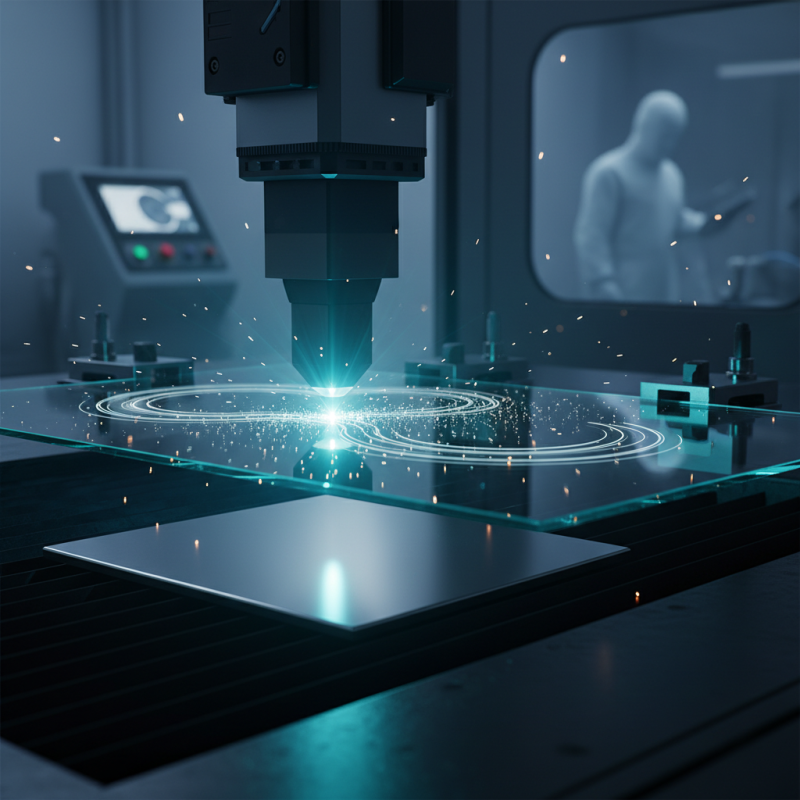
Laser glass cutting technology has transformed how we approach glass fabrication. By utilizing laser beams, manufacturers achieve clean cuts with remarkable precision. The process involves focusing a high-energy laser on the glass surface. This causes localized melting, allowing for intricate designs and shapes that are difficult to achieve with traditional methods.
Understanding the intricacies of this technology is essential. Factors like laser wattage, cutting speed, and lens quality all play a role in the outcome. It’s not just about having the latest equipment. Operators must grasp the interaction between the laser and the glass. For instance, using too high a speed might lead to incomplete cuts. On the other hand, an excessively slow speed could cause excessive heat and cracking.
Despite its advantages, challenges remain. One must consider the glass type being cut as it impacts the laser settings. Each piece of glass behaves differently. Thus, continuous testing and adjustment are key to mastering the technique. Striving for precision in laser glass cutting is an ongoing journey, one that requires patience and skill.
Choosing the right laser for precision cutting is crucial. Several factors influence this decision. The type of glass, thickness, and desired precision all play vital roles. For thinner materials, a CO2 laser often proves effective. It's widely used for its ability to make clean cuts.
However, for thicker glass, a fiber laser may be more suitable. It provides greater power and precision but can be costlier. Assessing the thickness of your materials can help narrow down options. A common mistake is not considering the laser's wavelength. This detail significantly impacts the cutting quality.
Testing different lasers is essential. You might find that the first choice isn't always the best. Engaging with experts can provide insights. Their experience can guide you when selecting the right equipment. The right laser can enhance the quality of your cuts and reduce time spent on projects. Adjusting your selection process can lead to better outcomes in glass cutting.
Achieving precision in laser glass cutting requires careful tuning of equipment settings. When adjusting speed and power, small changes can greatly impact the outcome. For example, increasing the speed can reduce heat but may lead to incomplete cuts. This means finding the right balance is crucial.
Focus on the laser's focal point when aiming for accuracy. If the focus is off, even the best settings won’t yield satisfactory results. Ensure your cutting head aligns perfectly with the material. A misaligned head can cause uneven edges and unnecessary wastage.
It’s important to test different settings regularly. Not every glass type reacts the same. You might find that a setup that works for one material falls short for another. Document your findings meticulously to create a reliable reference over time. Embracing the iterative process helps refine your techniques and enhances precision.
| Tip | Description | Recommended Setting |
|---|---|---|
| Adjust Power Levels | Optimize the laser power for the material thickness to enhance cutting precision. | 50% for 5mm glass |
| Tweak Speed Settings | Fine-tune the cutting speed to achieve smooth edges without sacrificing accuracy. | 10 mm/s for best results |
| Focus the Lens | Ensure the laser beam is perfectly focused on the material surface to reduce cutting errors. | 1.5 mm focal length |
| Maintain Clean Equipment | Keep the laser's optics clean to prevent distortion in the beam and ensure precise cuts. | Weekly maintenance recommended |
| Utilize Proper Cooling | Implement cooling systems to reduce heat buildup and material warping during cutting. | Continuous airflow |
Maintaining equipment is vital for consistent performance in
laser glass cutting. Regular maintenance prevents unexpected breakdowns.
It ensures that the machine operates at peak efficiency. Dust and residue can accumulate quickly, which can affect both
the laser's precision and the quality of the cut.
Inspecting mirrors and lenses is essential. Any dirt or
scratches can lead to diffused laser beams, resulting in imperfect cuts.
Regular cleaning with appropriate solvents can keep components clear.
A lint-free cloth can prevent scratches during cleaning.
Additionally, checking and calibrating the laser settings
is necessary. Misalignment can cause inaccuracies in cutting. Operators should maintain a log for regular checks and
adjustments. This aids in identifying patterns of wear and tear. The more diligent the maintenance, the better the outcome.
When handling cut glass, safety is paramount. Always wear safety goggles and gloves. This protects against sharp edges and flying shards. It's critical to work in a well-ventilated area to avoid inhaling dust. Ensure your workspace is organized. Clutter can lead to accidents and mistakes.
Finishing cut glass requires precision. Smooth edges with a diamond grinding tool. This helps to prevent cuts and improves the glass’s appearance. Take time to inspect each piece. Look for chips or cracks that could undermine the integrity of the glass. It’s essential to refine your technique. Even experienced glass cutters make errors; each piece can present unique challenges.
Cleaning cut glass is often overlooked. Use a soft cloth to remove dust and fingerprints. Rinse with warm water when necessary. Don’t rush this step. A thorough cleaning enhances the final product’s aesthetic appeal. Gaining experience in handling and finishing cut glass takes time. Continuous learning leads to better results. Reflect on past projects to improve future ones.
: It uses laser beams to achieve precise and clean cuts in glass fabrication.
Factors include laser wattage, cutting speed, and lens quality. Each element influences the final cut.
High speed may lead to incomplete cuts, while too slow can cause heat damage and cracking.
Different glass types require specific settings. Regular testing helps adapt to these variations.
Consider the glass type, thickness, and desired precision. CO2 lasers suit thin materials, while fiber lasers handle thicker glass better.
Ignoring the laser's wavelength can affect cutting quality. It's an essential detail to consider.
Small adjustments in speed and power are crucial. Test various setups to find the best combination for each glass type.
Keeping track of your findings creates a reference. This helps improve techniques over time.
A misaligned cutting head leads to uneven edges and material wastage. Accurate alignment is key.
No, it’s an ongoing process. Mastery requires patience, skill, and willingness to refine techniques.
Laser glass cutting technology has become increasingly popular due to its high precision and efficiency. A key factor that influences what makes laser glass cutting more precise is the choice of the right laser type and optimizing its settings. Selecting a laser with the appropriate wavelength ensures better material interaction, while adjusting the speed, power, and focus improves cutting accuracy.
In addition to selecting the right technology, maintaining equipment is crucial for consistent performance. Regular checks and calibration can prevent discrepancies in cuts. Furthermore, implementing best practices for handling and finishing the cut glass enhances the overall quality and reduces the risk of damage. By understanding these core principles, one can achieve superior precision in laser glass cutting, ultimately leading to better results in various applications.

Focus Laser