High-precision optical elements, structural window solutions, and specialized micro-machining laser platforms.
We are a high-technology enterprise driving structural change in ultra-precision manufacturing through the deployment of intelligent automation, high-speed vision inspection, and elite laser technologies.
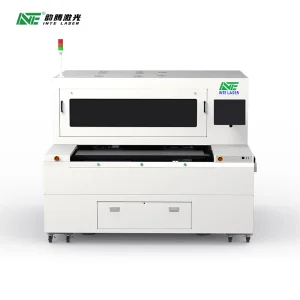
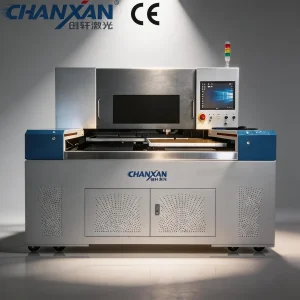
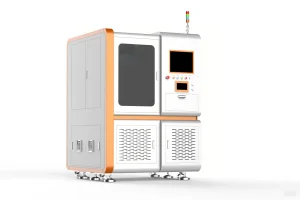
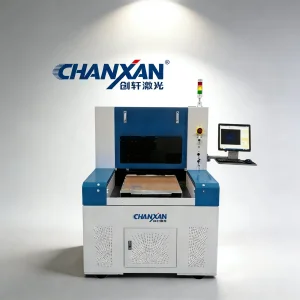
Hangzhou Focus Laser Co., Ltd. is a professional manufacturer specializing in advanced laser processing equipment for the electronics and display industries. The company focuses on the development and production of PCB laser cutting machines and glass laser cutting systems, delivering high-precision solutions for micro-electronics manufacturing and optical material processing.
Its technologies are widely applied in PCB depaneling, flexible circuit board processing, semiconductor packaging, and precision glass cutting for smartphones, display panels, and optical components. By integrating fiber laser technology, ultra-fine beam control, and intelligent CNC systems, Hangzhou Focus Laser ensures high cutting accuracy, smooth edges, and minimal thermal damage during processing.
The company’s equipment is extensively used in industries such as consumer electronics, semiconductor manufacturing, automotive electronics, and smart display production. It supports both high-volume industrial production and customized precision machining requirements.
Hangzhou Focus Laser Co., Ltd. emphasizes innovation, reliability, and engineering excellence. With strong R&D capabilities and strict quality control standards, the company provides OEM and ODM services to meet global customer needs. Continuously advancing laser micro-processing technology, it aims to become a leading global supplier of precision laser solutions for PCB, glass, and advanced electronic manufacturing applications.
Understanding the transition from mechanical ablation to ultra-short pulse (USP) laser automation.
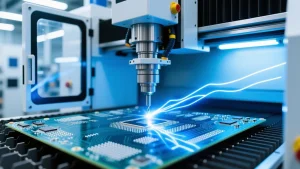
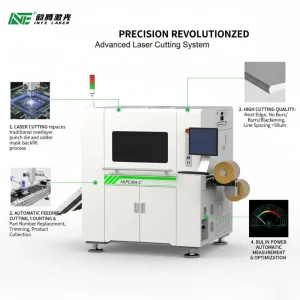
Global production lines are shifting to flexible electronics (FPC) and high-density interconnect (HDI) substrates. Mechanical routing damages fragile traces. Automated UV and CO2 laser systems eliminate mechanical stresses, resulting in zero-defect depaneling at speeds exceeding legacy routers.
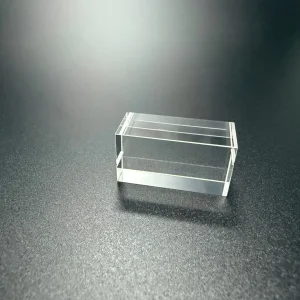
Foldable OLEDs, ultra-thin cover glass (UTG), and sapphire materials require non-thermal processing to avoid micro-cracks. Infrared picosecond and femtosecond lasers create precise filamentation zones, splitting brittle substrates with absolute edge smoothness.
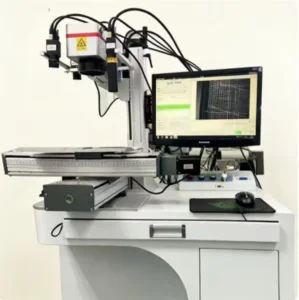
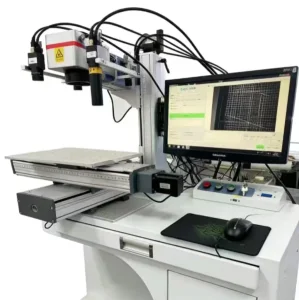
Modern factories demand real-time telemetry, closed-loop feedback, and automatic optical inspection (AOI). Our processing systems feature high-resolution CCD cameras (up to 6MP) that feed position metrics instantly into intelligent CNC modules to handle substrate warpage dynamically.
Aligning OEM requirements with advanced Chinese laser system manufacturing capabilities.
Global procurement directors face major challenges when selecting automation partners for high-volume factories. The total cost of ownership (TCO) is no longer defined solely by the initial equipment price. Today, operational metrics such as mean time between failures (MTBF), system integration capability, localized compliance certifications, and long-term process stability govern sourcing strategies. Our systems address these needs by design:
The physics behind laser material interactions across sapphire, chemically-strengthened glass, and advanced polymers.
Laser processing relies on matching the target material's absorption spectrum with the correct laser wavelength. The chart below details the technical approaches used for various advanced industrial materials.
Our commitment to scaling technological horizons over the next decade.
We are advancing our ultrafast pulsed laser portfolio by shifting from picosecond pulse profiles to sub-300fs femtosecond systems. Reducing the pulse duration allows for clean ablation without heat transfer, turning even complex composite layers into gas instantly.
Our upcoming machines will incorporate in-situ optical monitoring. By integrating real-time defect analysis and toolpath adjustment algorithms directly into the laser controller, we minimize processing errors due to raw material inconsistencies.
To support complex 3D surfaces in automotive HUDs and wearable smart glasses, we are combining 3D dynamic focusing galvos with ultra-precise five-axis linear motor stages, offering fast processing across complex curved paths.
Ensuring seamless production integration and compliance with international manufacturing safety standards.
Selling high-power laser equipment internationally requires strict safety compliance and reliable local support. We design and build all systems in accordance with major international directives, ensuring fast local permitting and safe operation:
All systems are housed in Class 1 laser enclosures with safety interlocks, emission indicators, and certified wavelength-specific viewing windows.
Control cabinets use components from brands like Siemens, Schneider, and Omron, matching local voltage requirements and electrical standards (NFPA 79 / CE).
Through our network of regional partners and remote diagnostics, we provide fast commissioning, operator training, and supply critical optical spares within 48 hours.
Technical clarifications for engineering, operations, and procurement teams.
From heavy-duty laminates and structural sapphire viewports to roll-to-roll FPC processing lines.
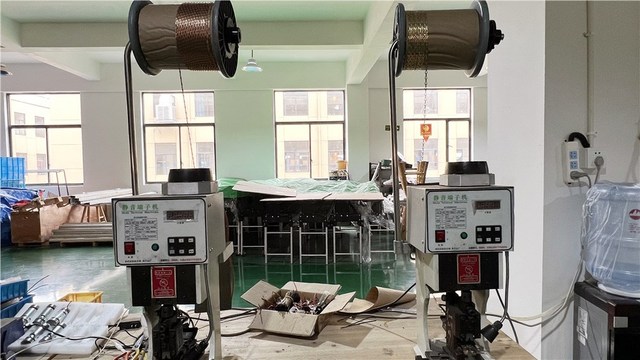
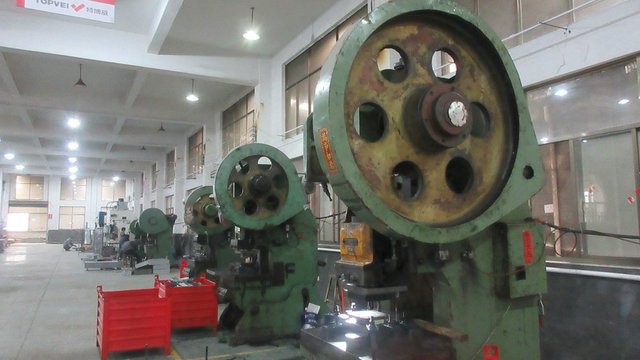
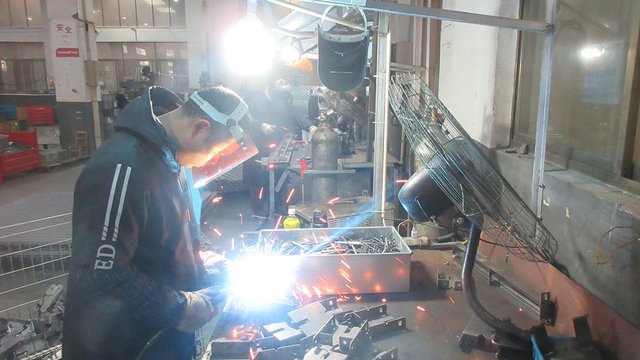
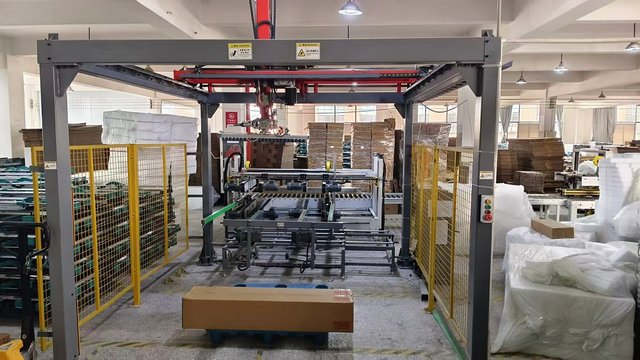
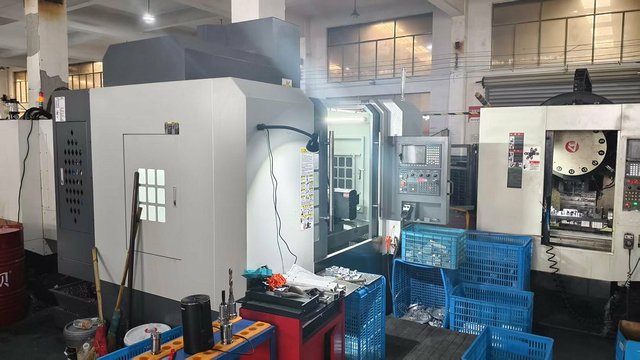
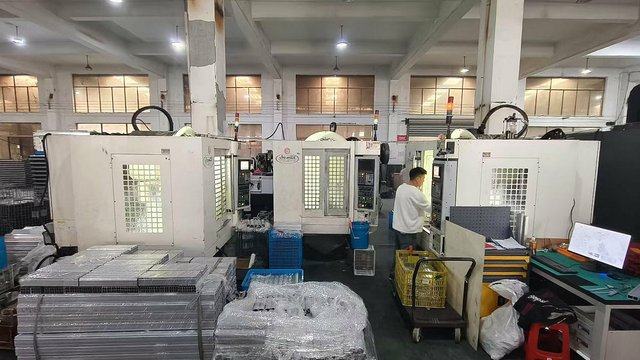
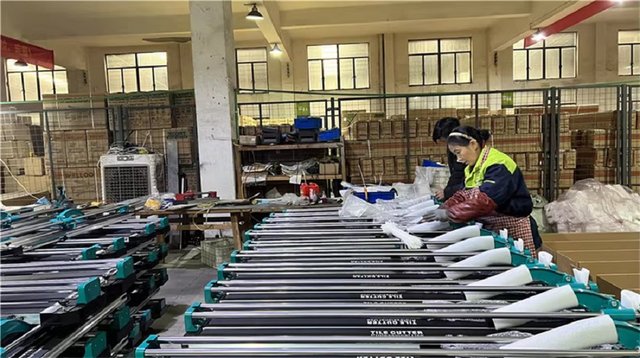
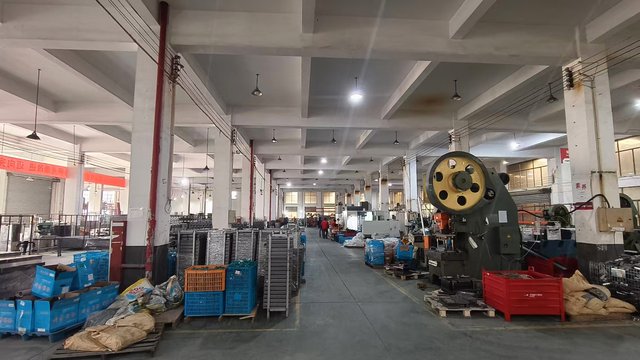
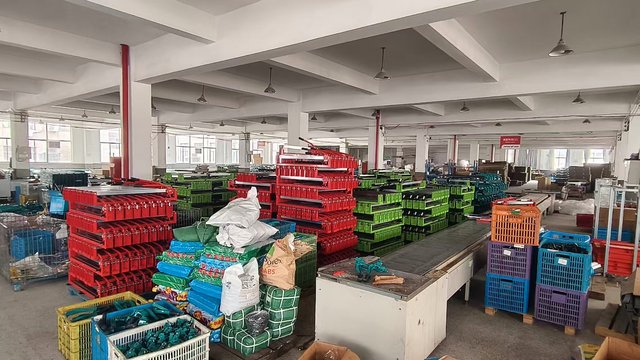
Visual overview of our manufacturing facilities, assembly stages, and optical component testing centers.

 Focus Laser