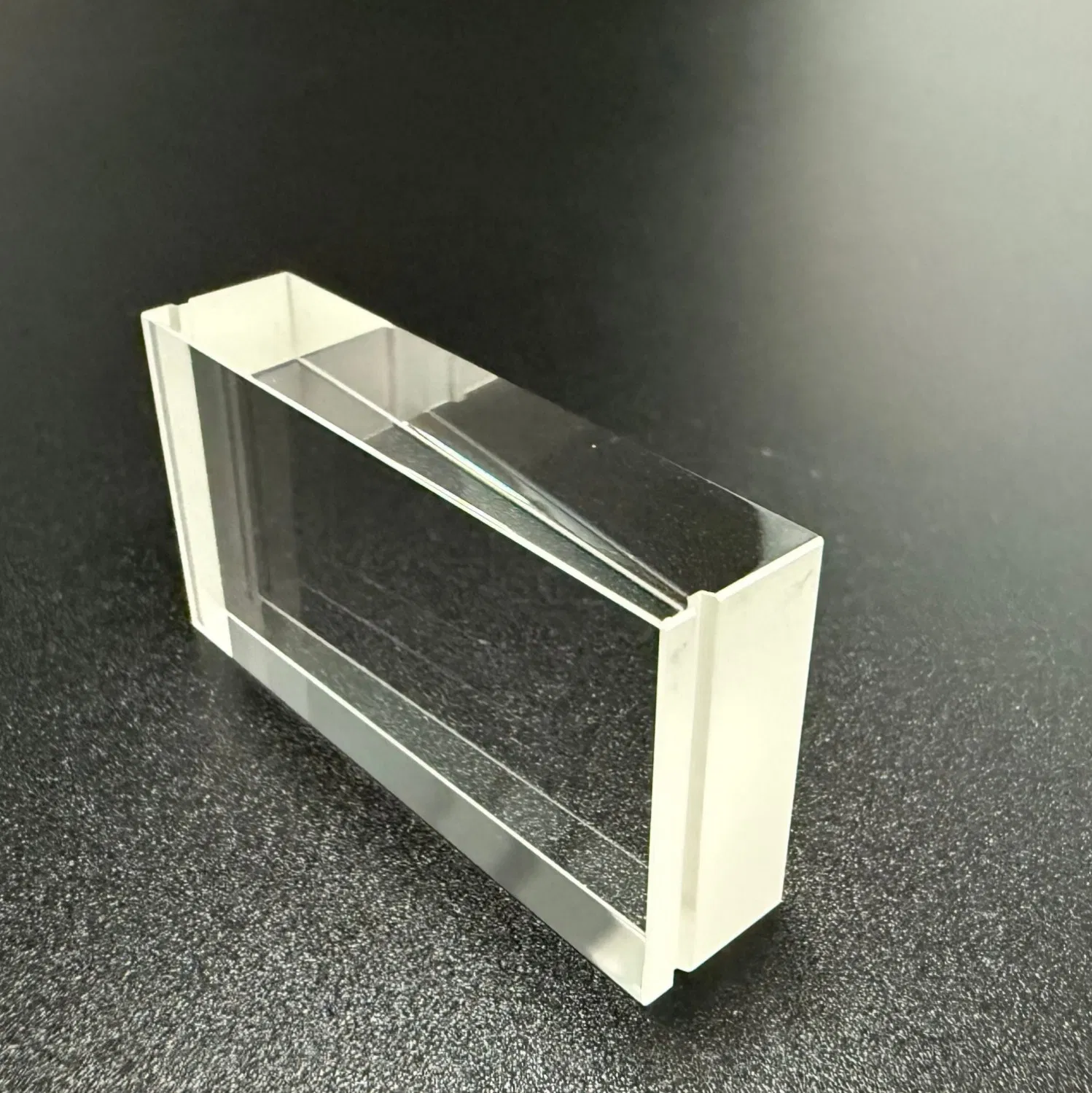
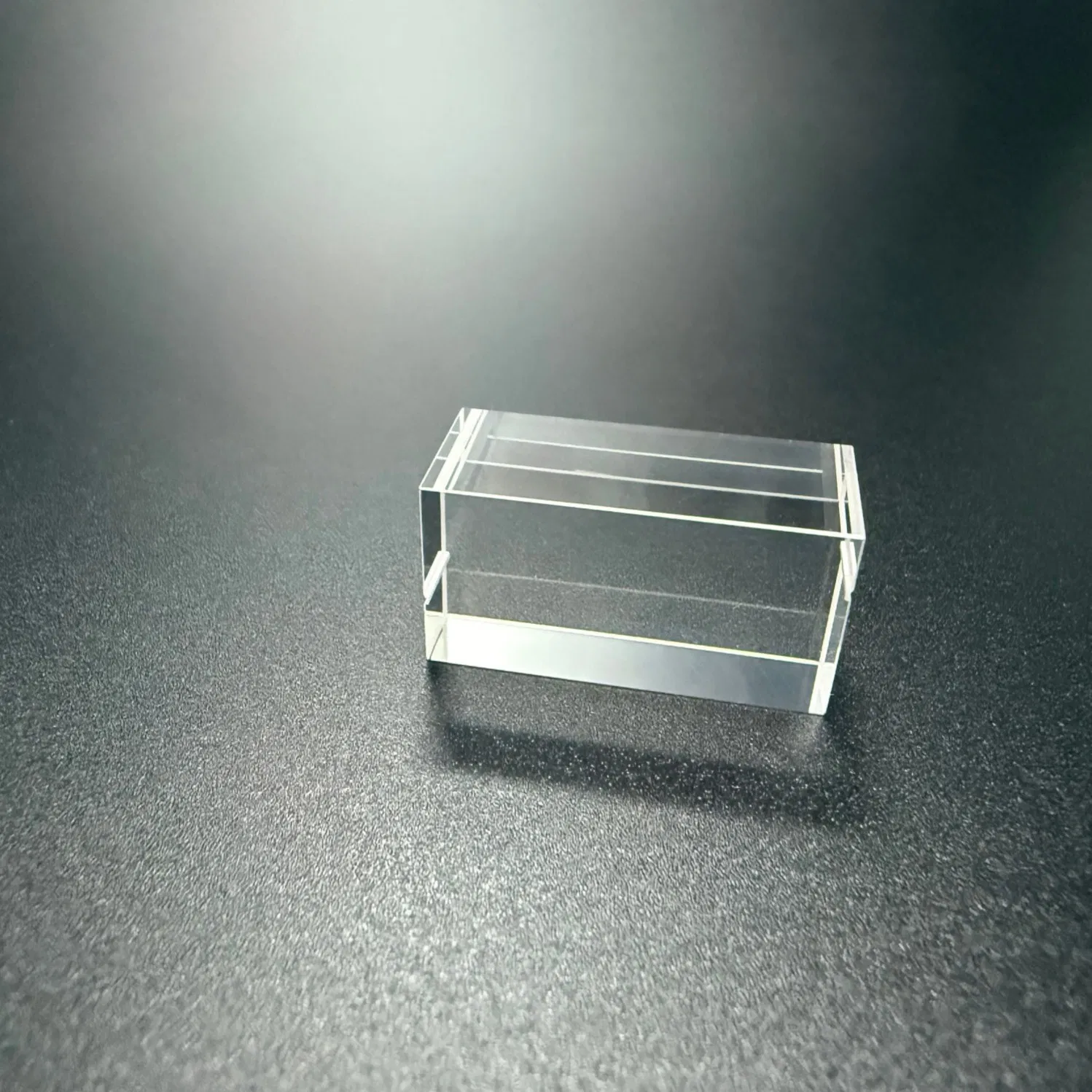
🔹 Basic Information
Usage
Beam Dispersion, Split, Medical, Optical
Material
Synthetic Sapphire Glass
Refractive Index
1.76-1.77 (@589nm)
📖 Product Description
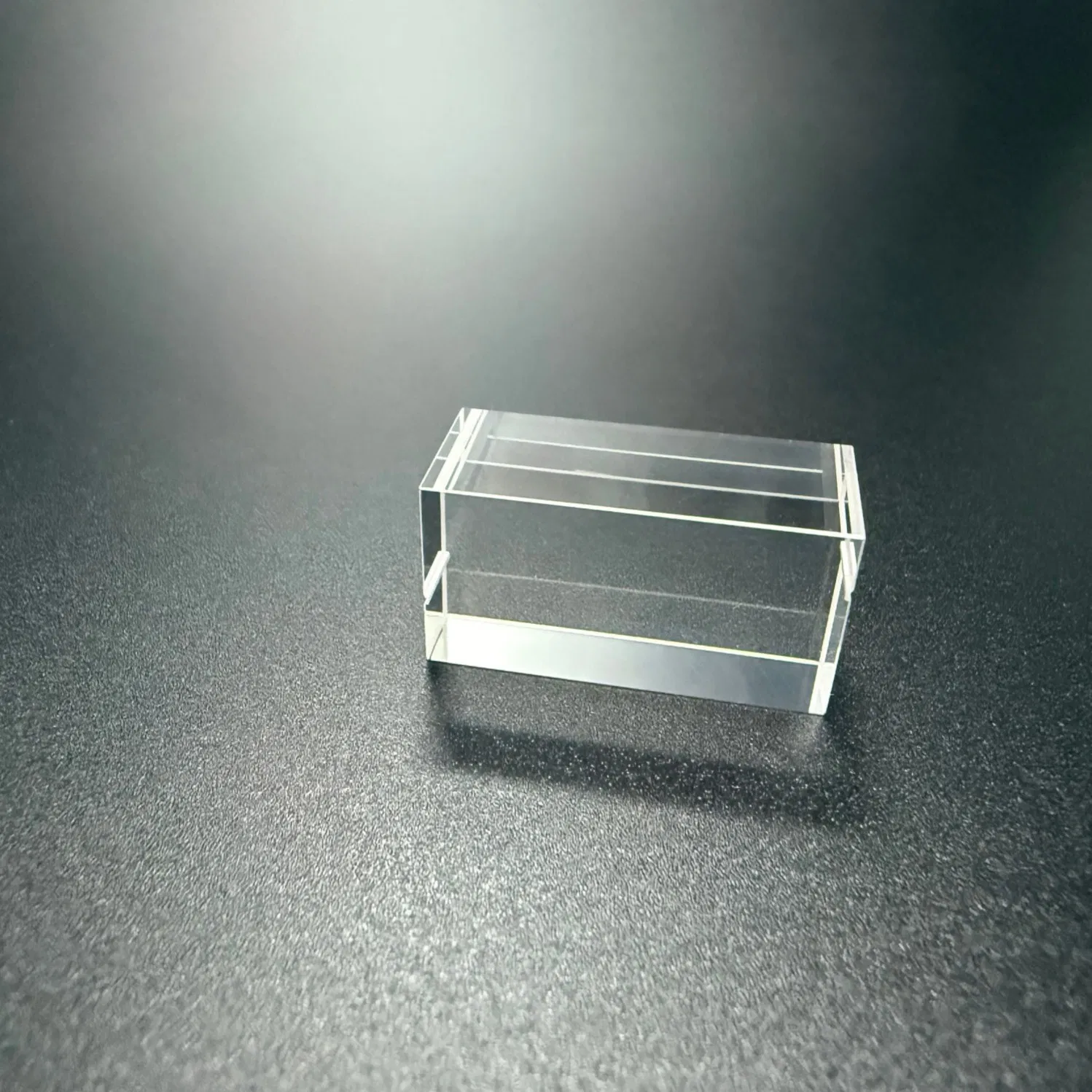
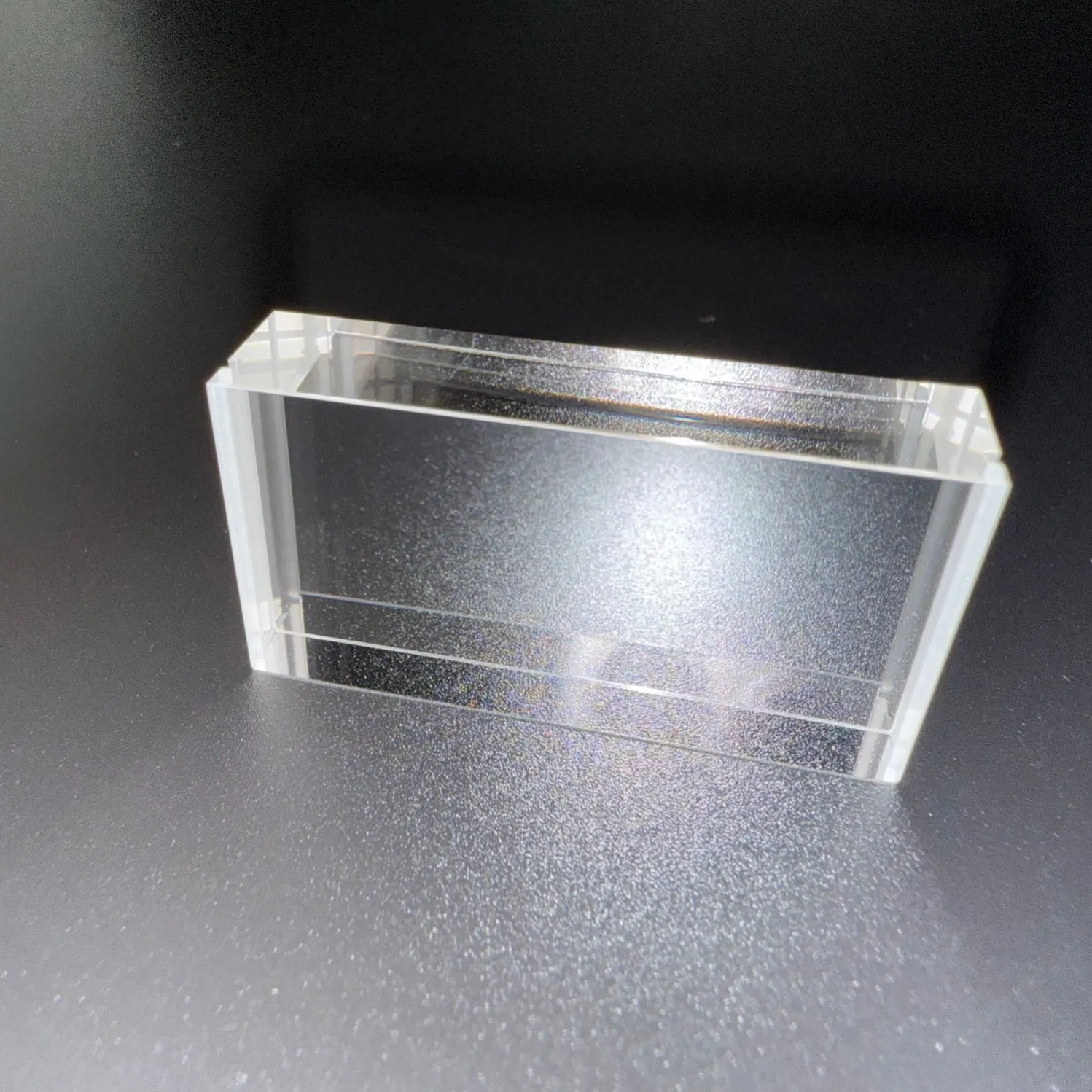
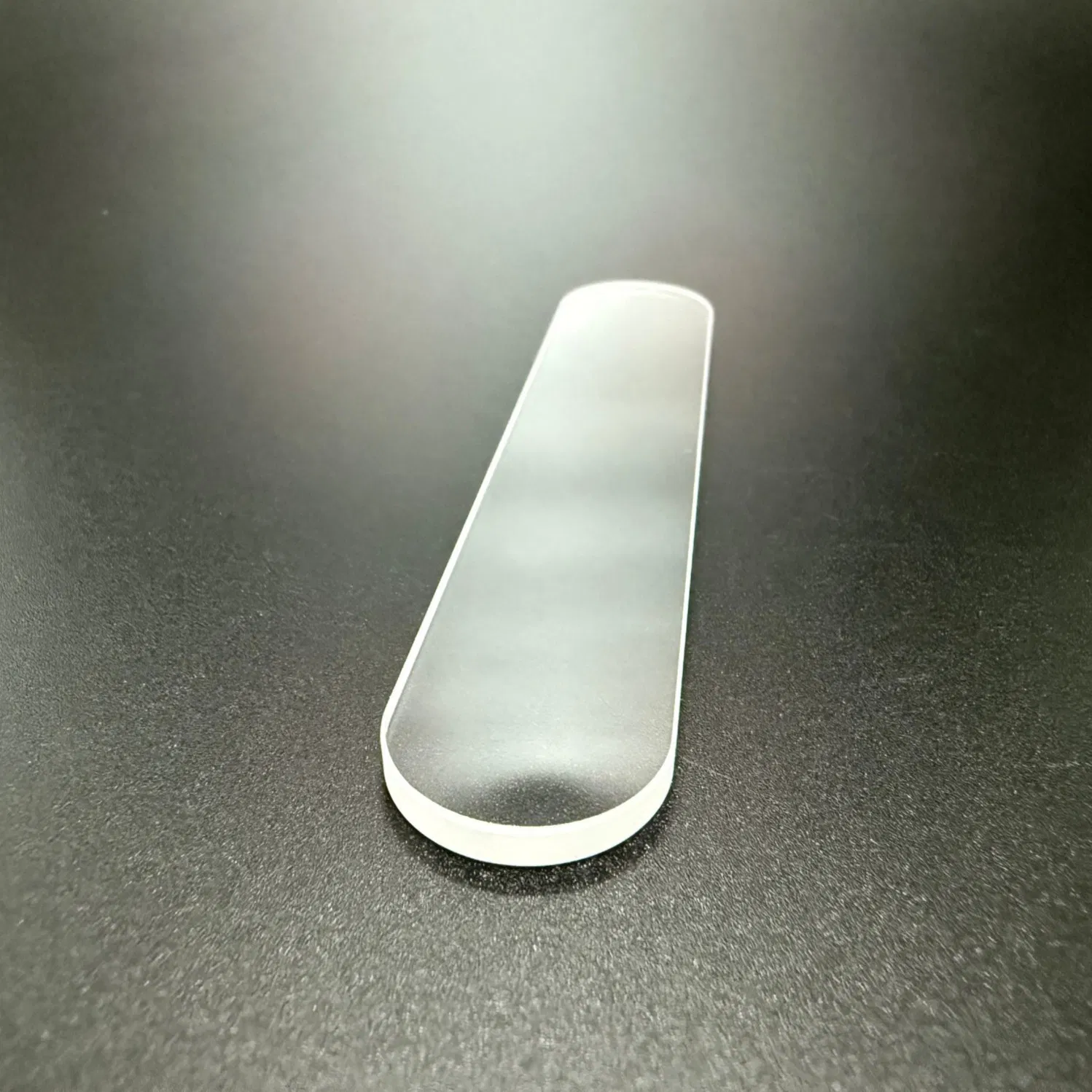
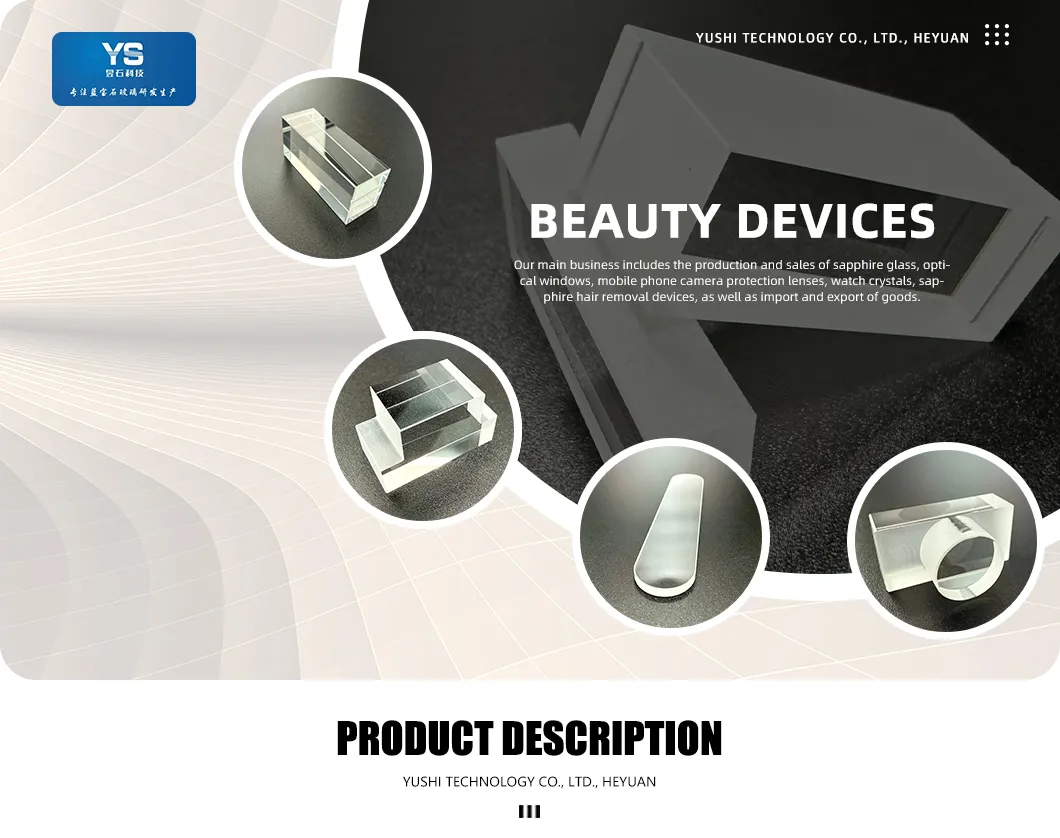
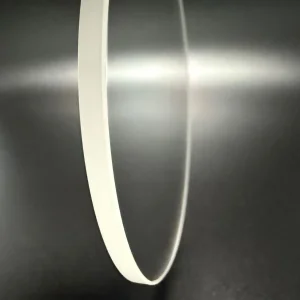
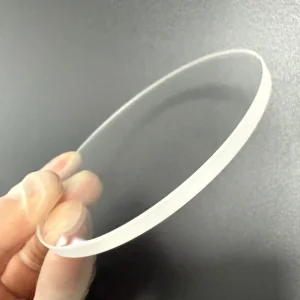
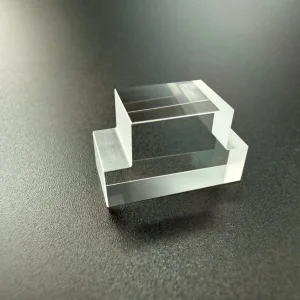
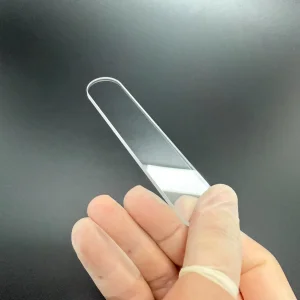
Our High Precision Optical Grade Sapphire Windows are engineered for extreme environments. Using high-quality single crystal α-Aluminium Oxide, these windows offer unparalleled durability and clarity from the Deep UV to Mid-IR spectrum.
| Category |
Parameter |
Value / Description |
Notes |
| Physical |
Density |
3.97 - 3.99 g/cm³ |
- |
| Thermal |
Melting Point |
2040 °C |
High thermal stability |
| Optical |
Transmission Range |
0.15 μm - 5.5 μm |
UV to Mid-IR |
| Surface |
Flatness |
λ/10 @ 632.8nm |
High Precision |
| Surface |
Surface Quality |
10-5 or 20-10 Scratch-Dig |
MIL-PRF-13830B |
| Coating |
Options |
AR, HR, ITO, Oleophobic |
Customizable |
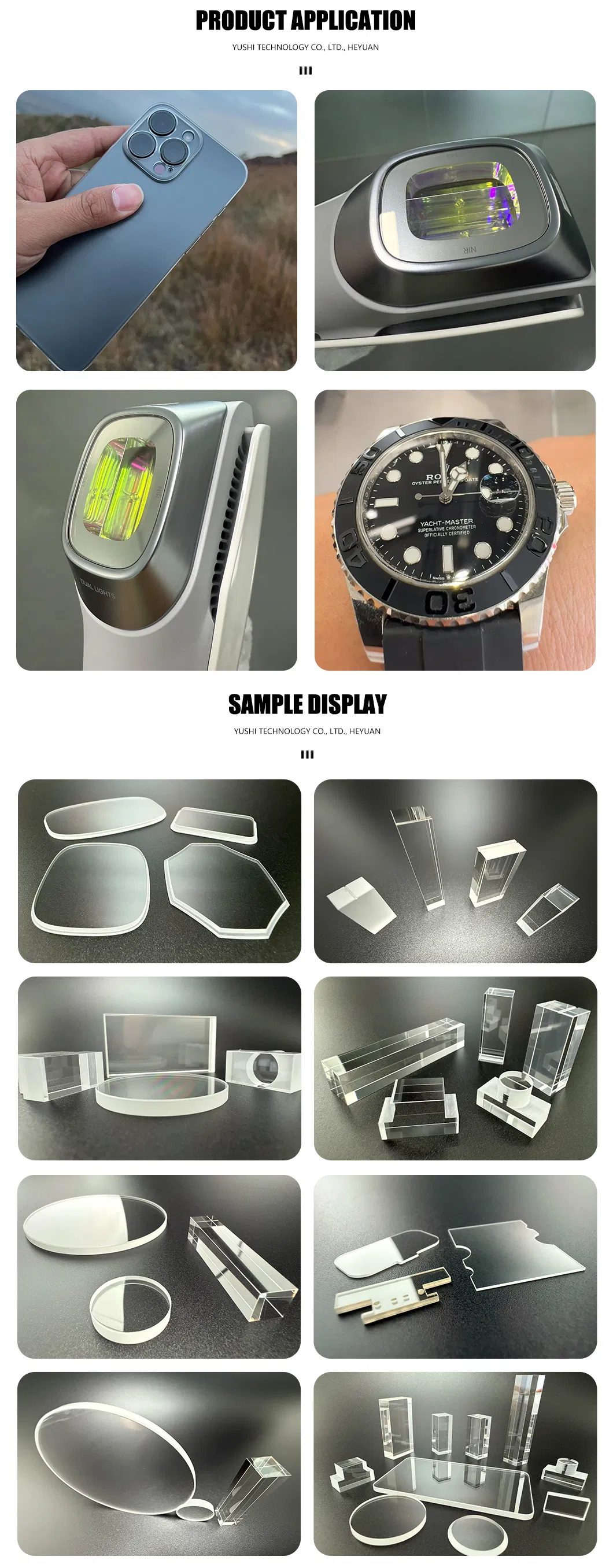
🚀 Application Fields
- 🛡️ Aerospace & Defense: Missile domes, EO/IR pod windows, and periscopes.
- 🔬 Industrial & Research: High-power laser windows and vacuum viewports.
- 📱 Consumer Electronics: Watch crystals and camera lens covers.
- 🩺 Medical Devices: Endoscope protection and biosensors.
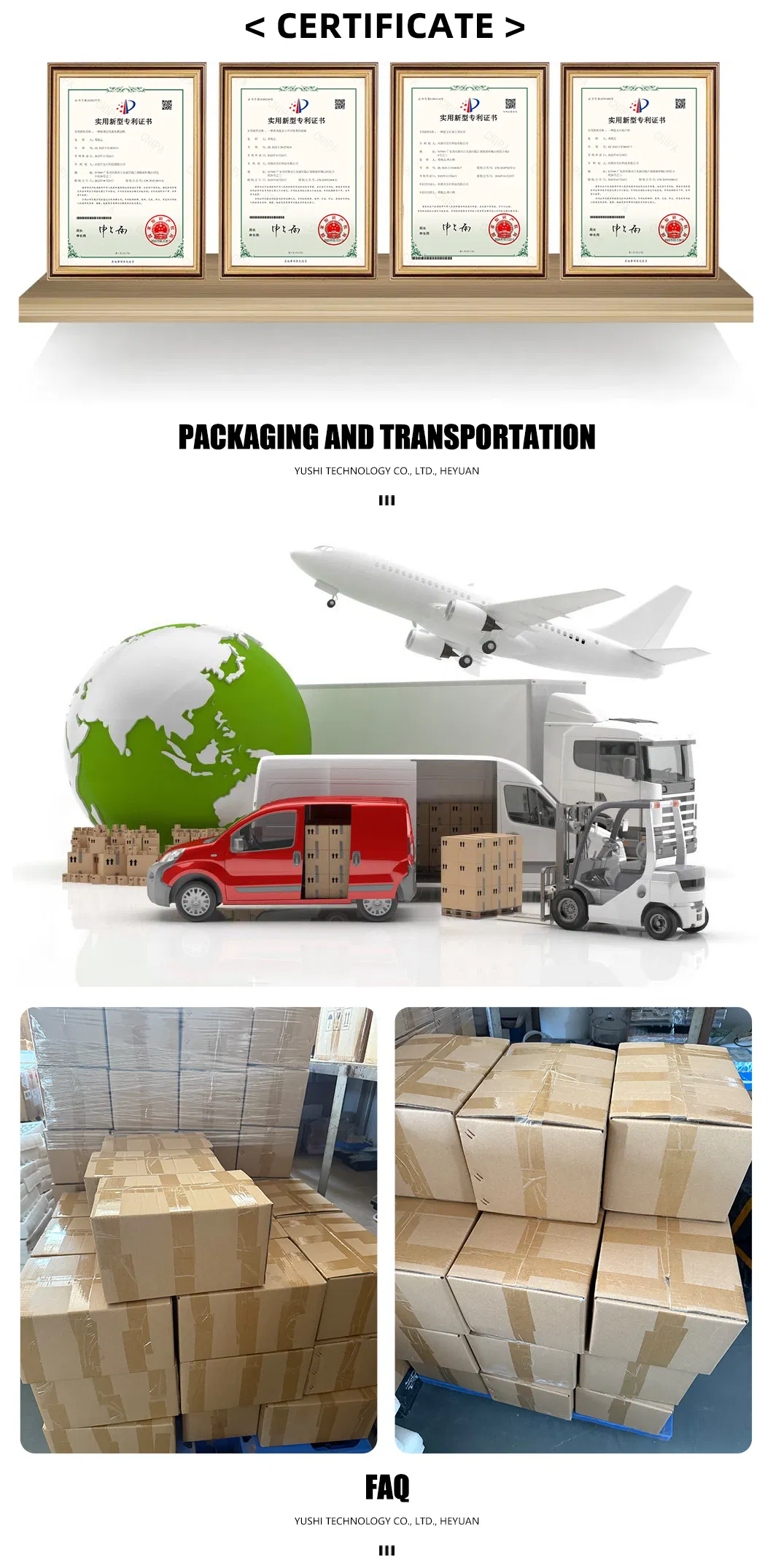
✅ Certifications & Quality
❓ Frequently Asked Questions
Is sapphire glass made from real natural sapphires?
It is synthetic sapphire crystal created by crystallizing aluminum oxide at high temperatures. It has identical physical properties to natural sapphire but is man-made for industrial and optical use.
What is the primary advantage of using sapphire glass?
The main advantage is its extreme hardness (Mohs 9), which makes it nearly impossible to scratch with everyday materials, maintaining long-term clarity.
Is sapphire glass shatterproof since it is so hard?
No, high hardness does not mean high impact resistance. Sapphire is brittle and can shatter upon sharp, concentrated impacts. It is designed for scratch prevention rather than drop protection.
What is the light transmission range for these windows?
Sapphire windows offer a broad transmission range from 0.15 μm to 5.5 μm, covering ultraviolet, visible, and mid-infrared spectra.
Can the windows be customized with specific coatings?
Yes, we offer various coating options including Anti-Reflection (AR), High Reflection (HR), conductive ITO, and Oleophobic coatings to meet specific application needs.
What are the typical thickness tolerances?
Standard thickness tolerance is ±0.01 mm, but it can be further customized based on high-precision requirements.
 Focus Laser