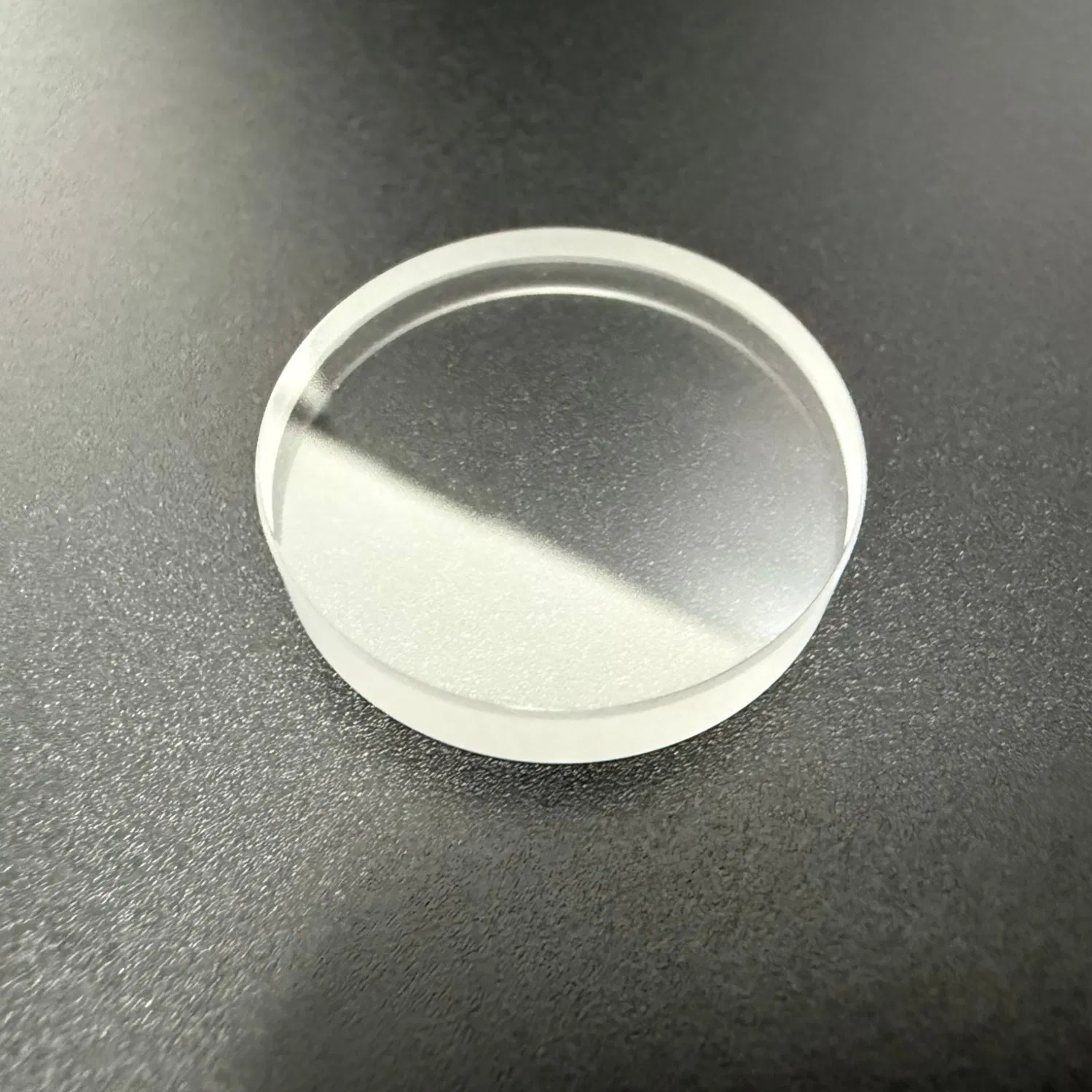
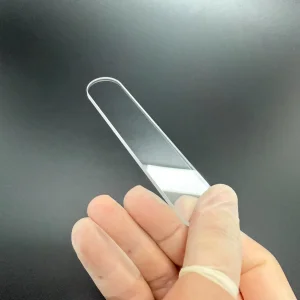
Quantum Simulator View Sapphire Glass Window Lens System Behavior

Still deciding? Get samples of $ !
Order Sample

Product Description

Basic Information
Model NO.
1-1000mm
Warranty
> 1Year
Detection Method
Spectrophotometer
Advantage
High Sensitive
Principle
Classic Spectrometer
Material
Optical Glass / Sapphire
Transmittance
>95%
Refractive Index
1.76-1.77 (@589nm)
Melting Point
2040 °C
Density
3.98 G/Cm³
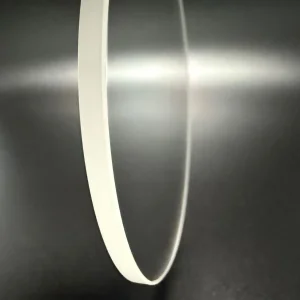
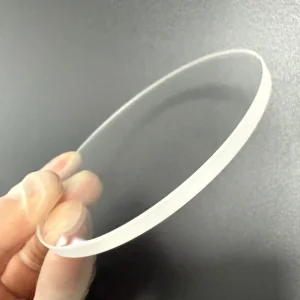
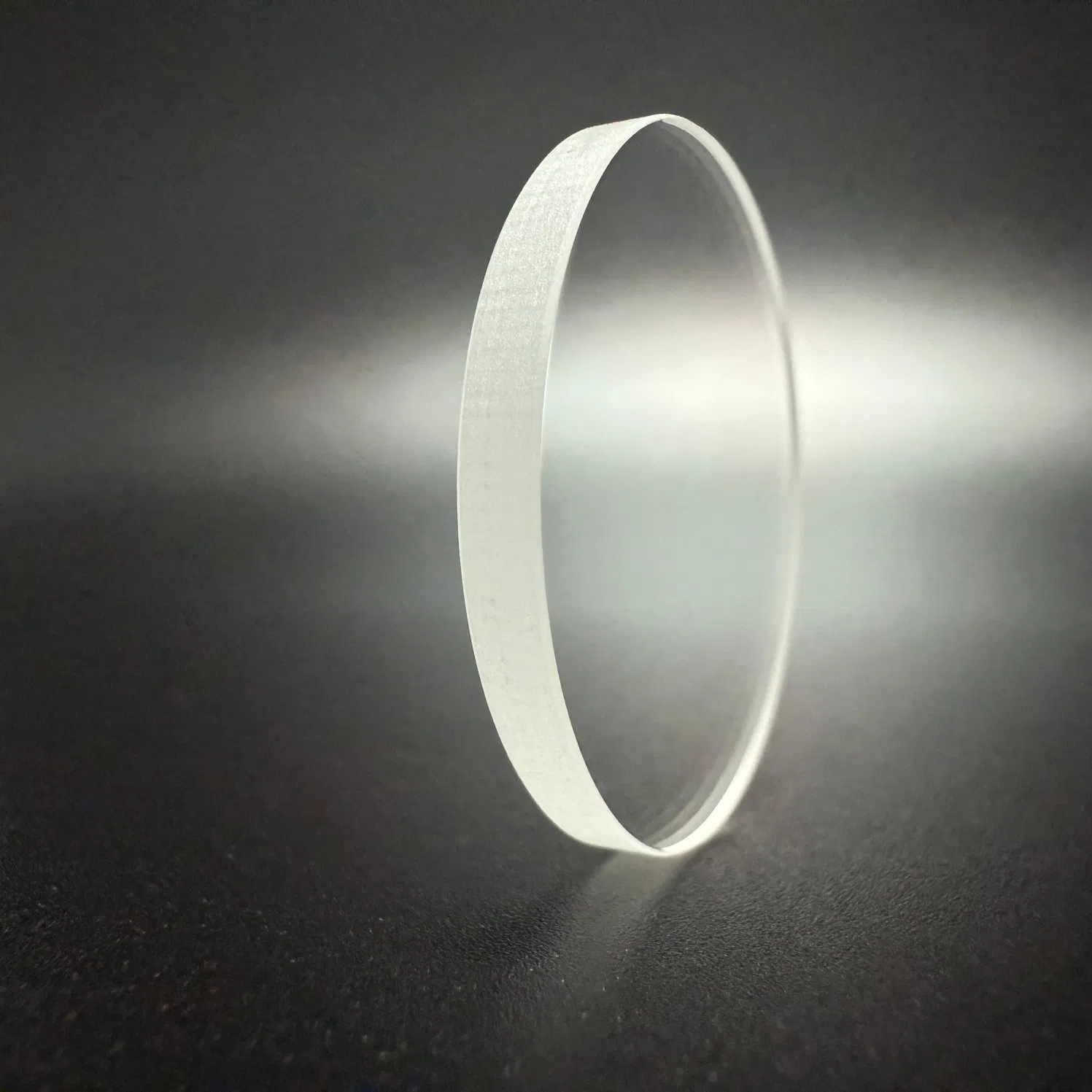
Sapphire Glass Window Lens
Product Description

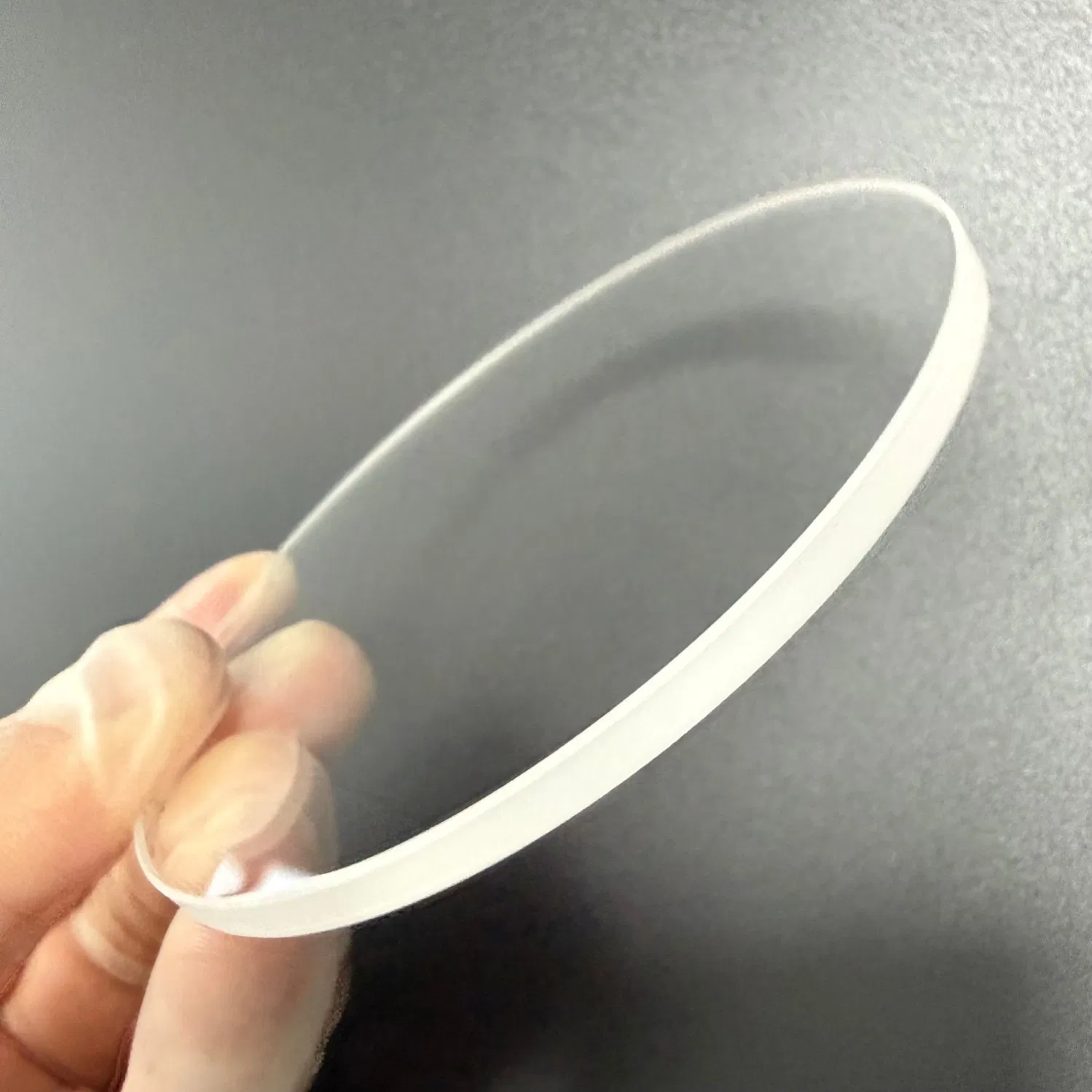
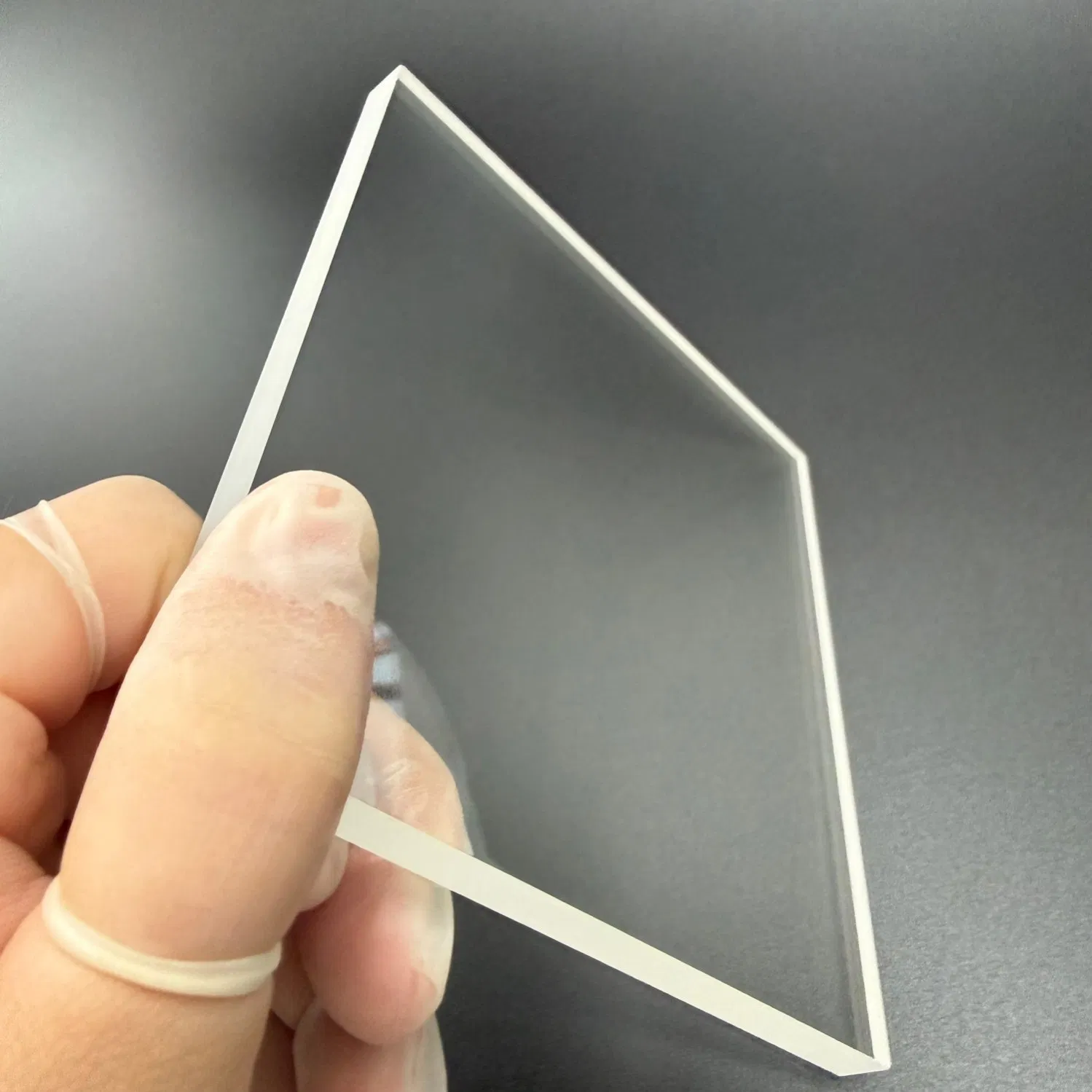
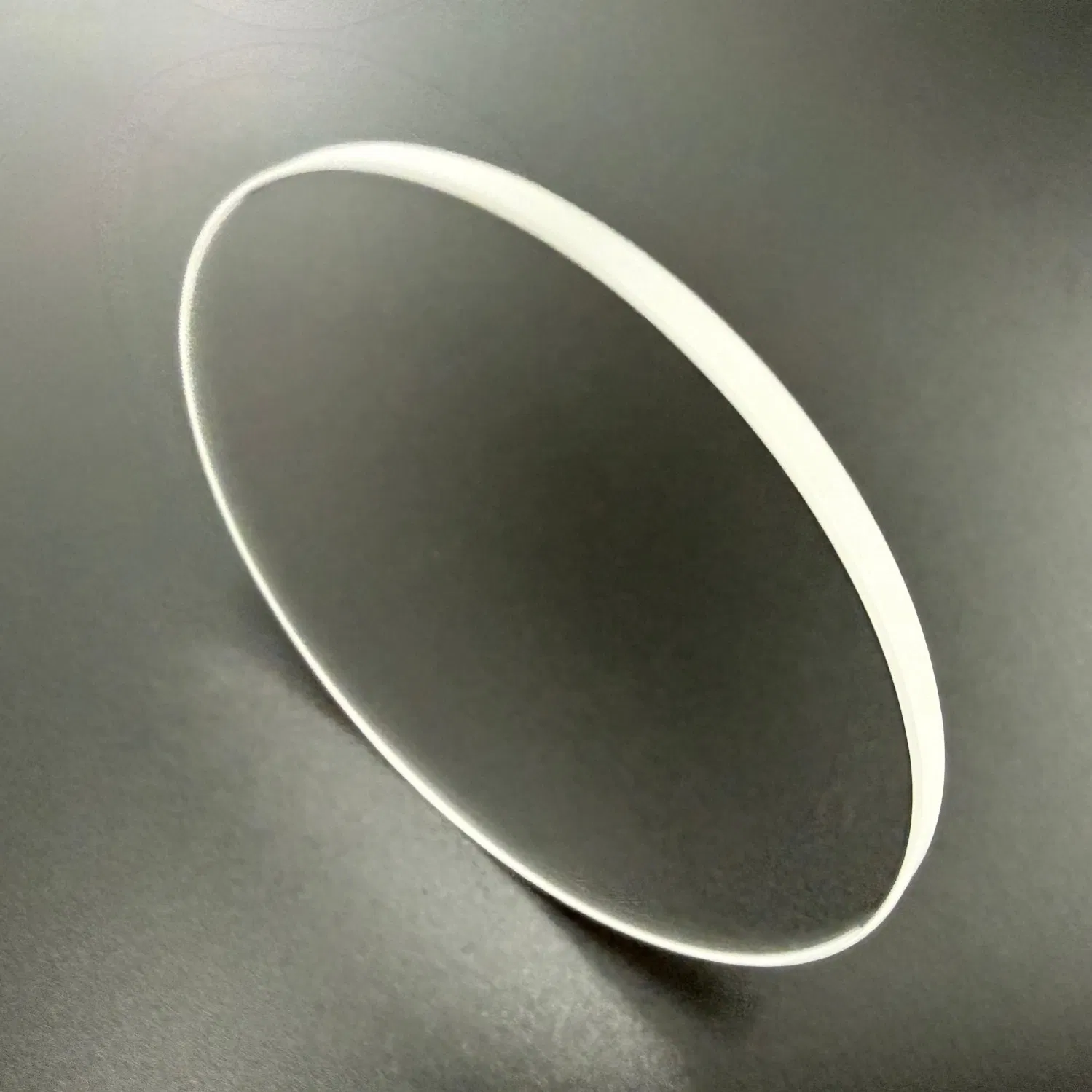
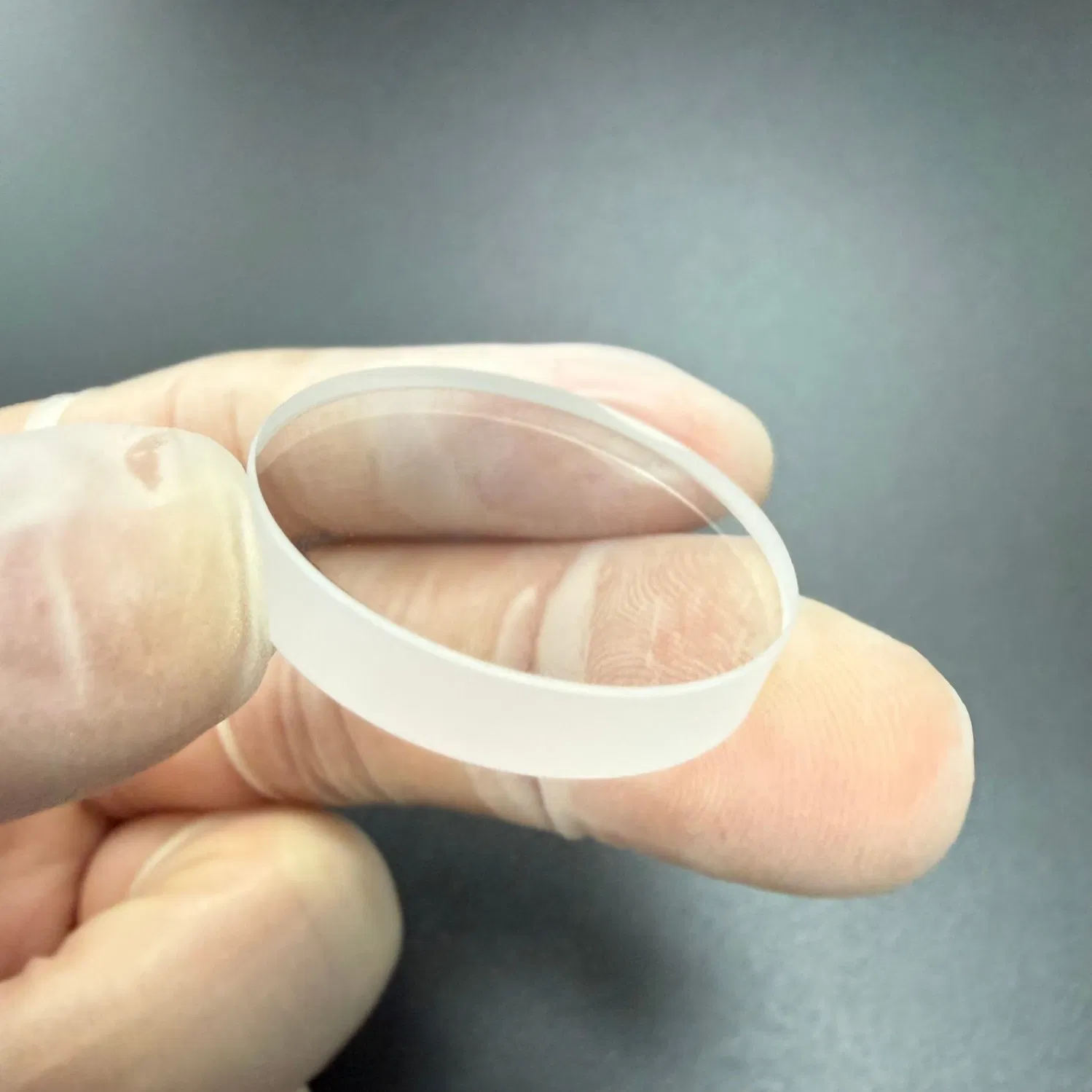
Sapphire glass optical windows are made from single crystal aluminum oxide (α-Al2O3). Known for extreme hardness and durability, these components are ideal for demanding environments requiring high transmission from UV to Mid-IR ranges.
Technical Specifications
Category Parameter Value / Description Notes
Basic InfoProduct NameSapphire Glass Optical Window-
StructureCrystal StructureHexagonal Crystal SystemAnisotropic
HardnessMohs Hardness9Second only to diamond
ThermalMelting Point2040 °CHigh stability
OpticalTransmission Range0.15 μm - 5.5 μmDeep UV to Mid-IR
OpticalAbbe Number72.2Low dispersion
SurfaceFlatnessλ/10 @ 632.8nmMIL-O-13830
SurfaceSurface Quality10-5 Scratch-DigHigh Grade available
ChemicalStabilityExcellentInsoluble in water
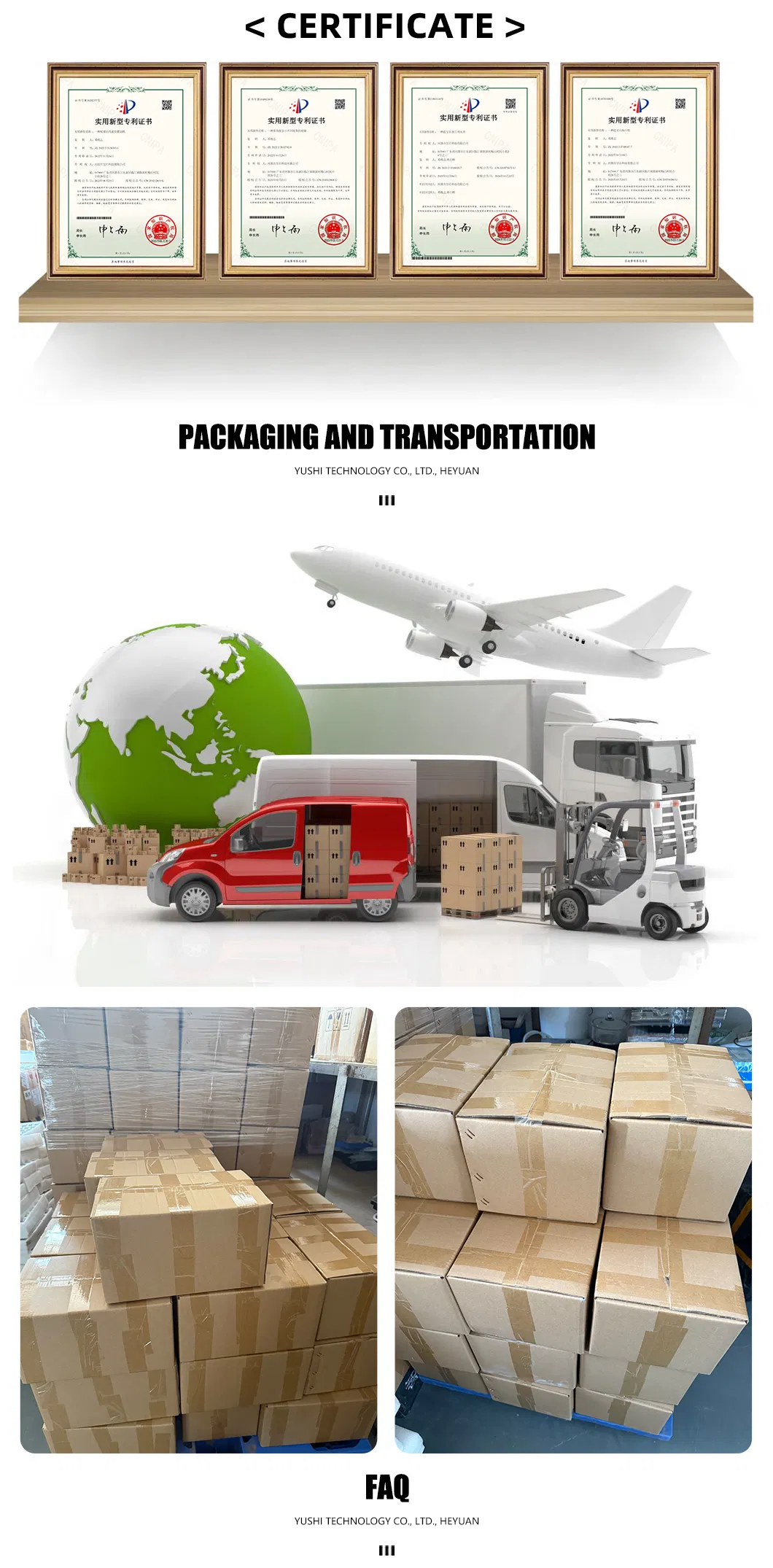
Certifications
Product Certifications
Frequently Asked Questions
Is sapphire glass made from real natural sapphires?
Sapphire glass is a synthetic sapphire crystal created by crystallizing aluminum oxide at high temperatures. It possesses identical physical properties to natural sapphire but is man-made for industrial and optical clarity.
What are the primary advantages of sapphire glass?
The core advantage is its exceptional Mohs hardness of 9, making it highly resistant to scratches. It also offers superior optical transmittance and thermal stability compared to standard glass.
Is sapphire glass shatterproof?
While extremely hard and scratch-resistant, sapphire glass is relatively brittle. High hardness does not equal high impact resistance; it can crack or shatter under sharp, concentrated impacts.
What is the operating temperature range?
Sapphire has a very high melting point of 2040 °C. It can operate at temperatures up to 1900 °C in vacuum or inert gas environments, and approximately 1000 °C in air.
What coating options are available?
We offer various coatings including Anti-Reflection (AR) to increase transmission, High Reflection (HR) for laser applications, and Oleophobic/Hydrophobic coatings for anti-fingerprint properties.
In which fields are these windows typically used?
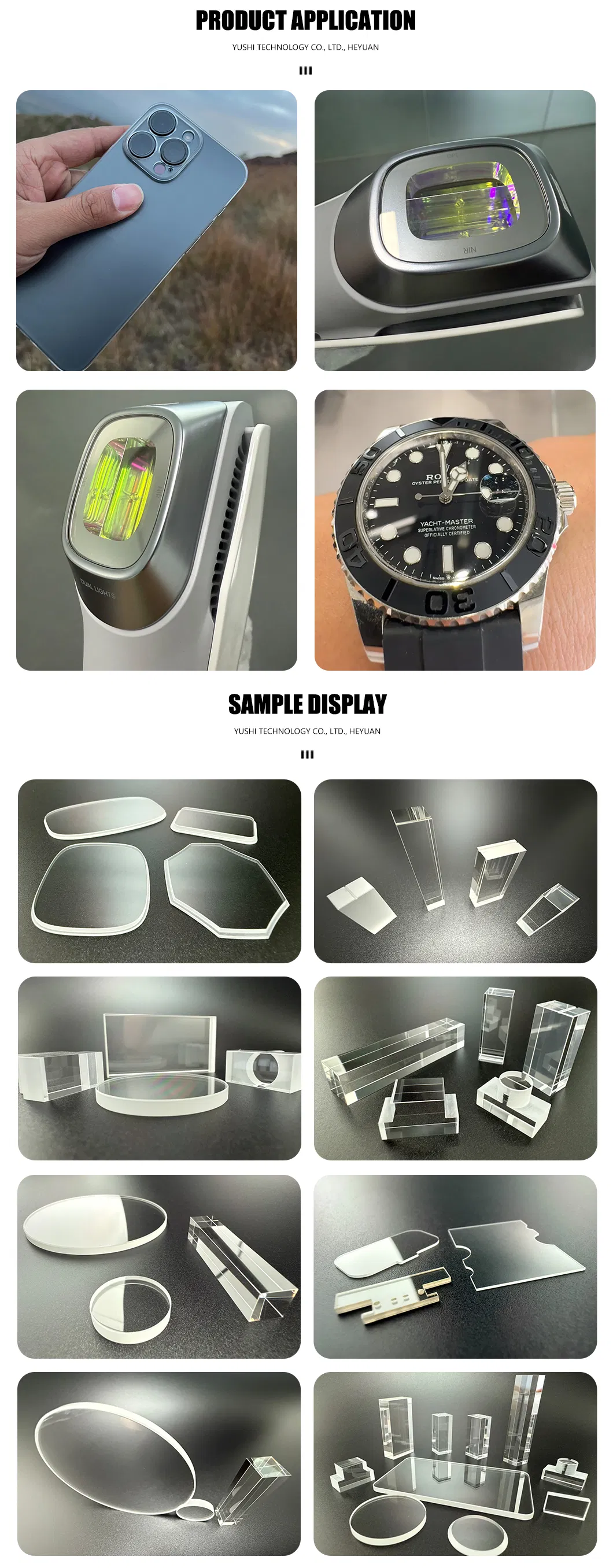
Typical applications include high-end consumer electronics (smartwatch crystals), industrial laser windows, aerospace defense (missile domes), and medical devices like endoscope protection lenses.

Related Products