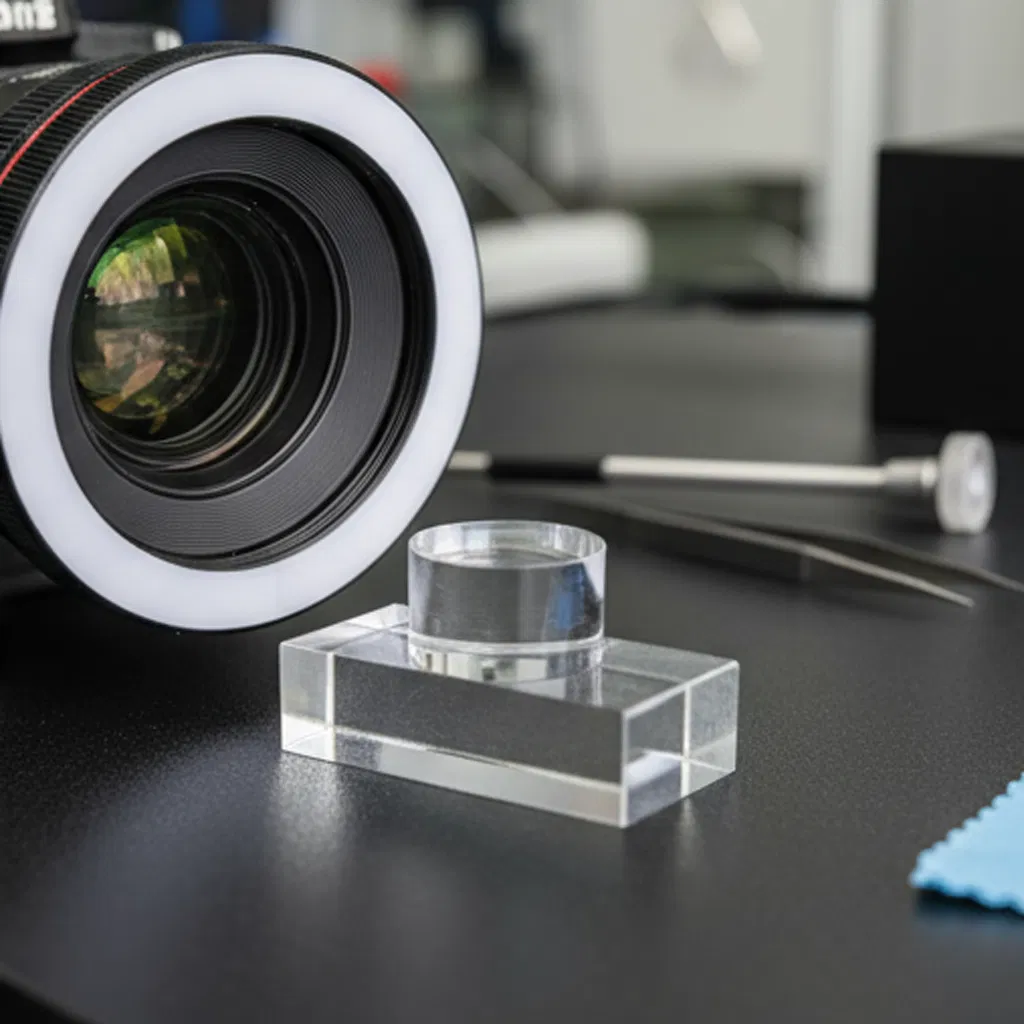
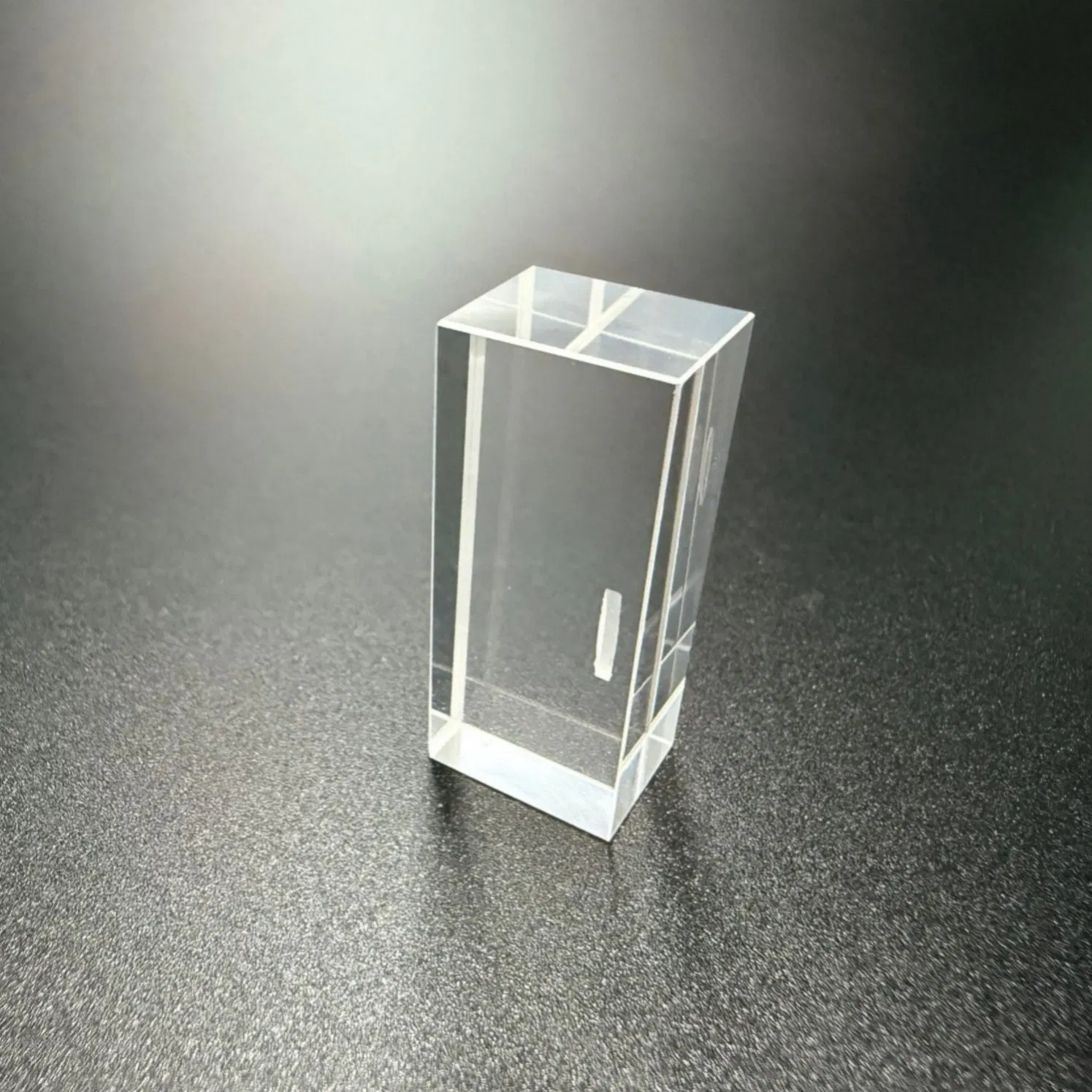
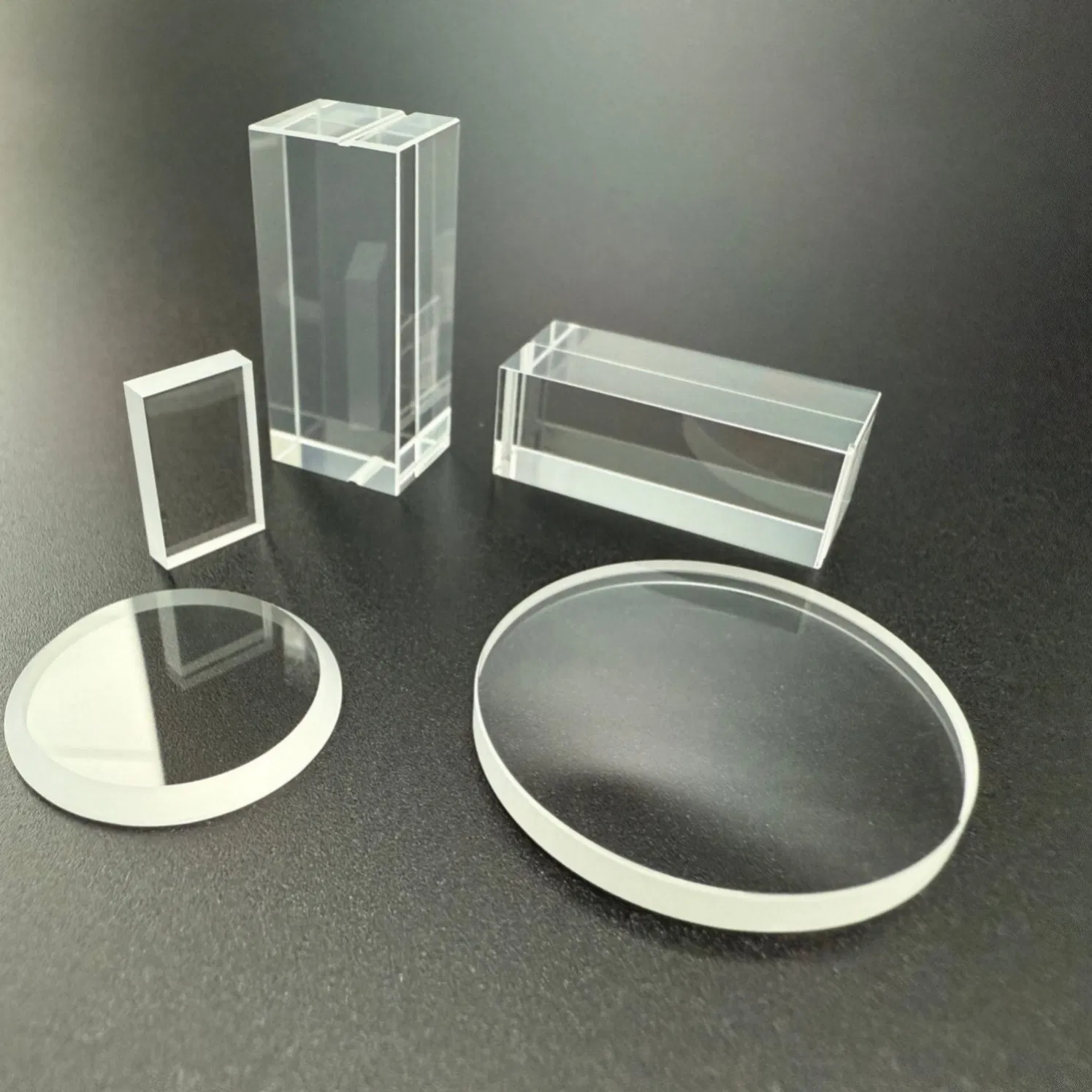
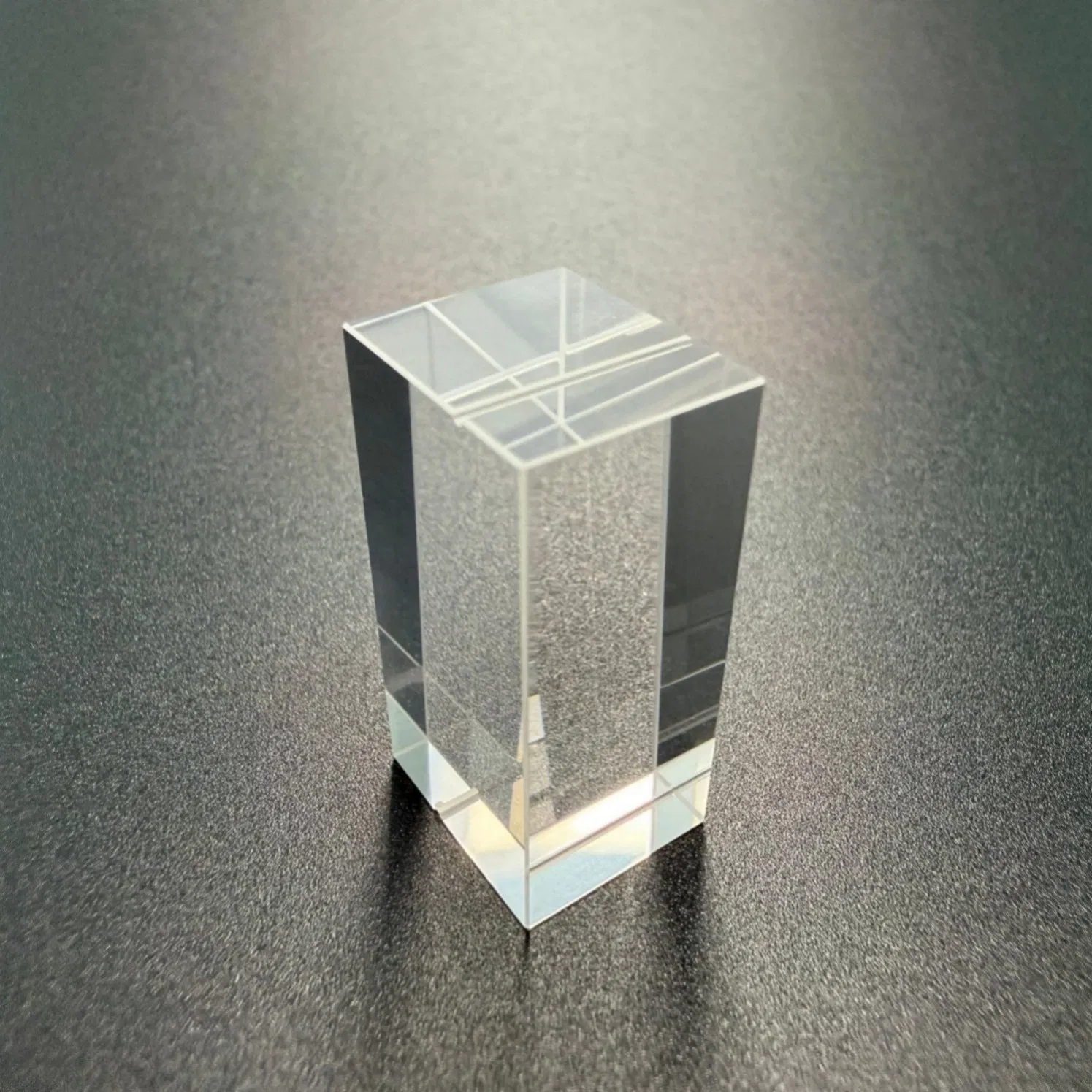
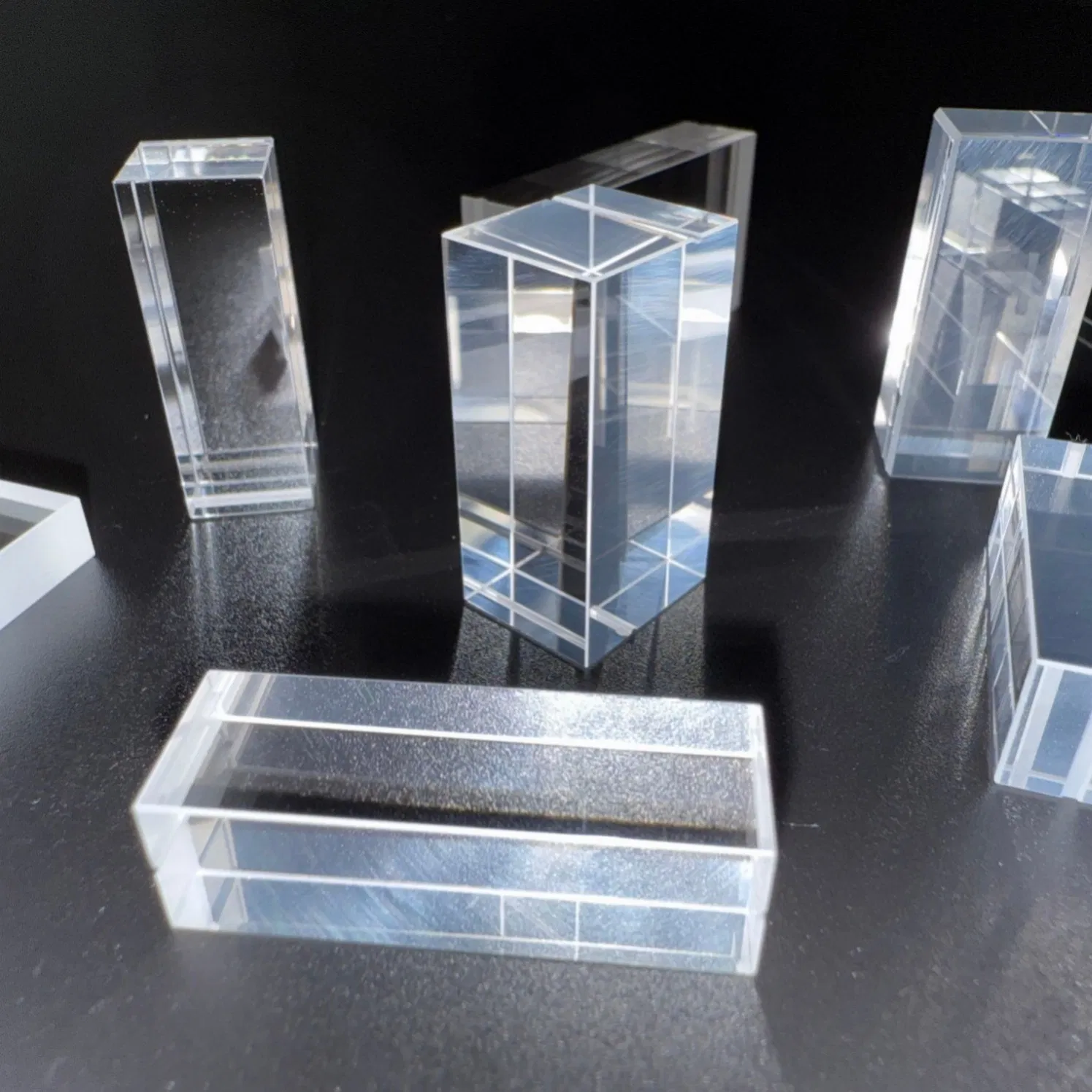
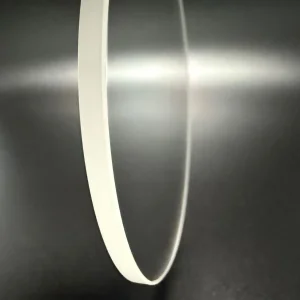
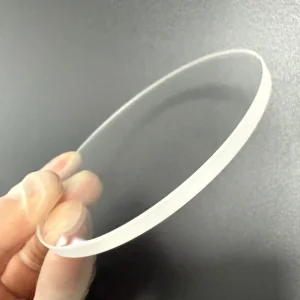
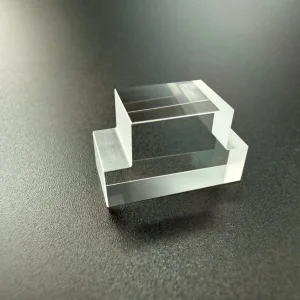
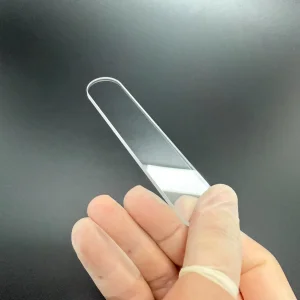
Precision-Aligned Sapphire Glass Optical Lens for Optical Alignment Systems

Still deciding? Get samples of $ !
Order Sample

Product Description

Basic Specifications

Model NO.:1-1000mm
Type:Rectangular Prism
Usage:Beam Dispersion, Beam Split
Shape:Cube Corner Prism
Material:Glass
Application:Medical Instrument
Lenses Color:Clear
Certification:RoHS, ISO9001
Hardness:Mohs Hardness of 9
Density:3.98 G/Cm³
Refractive Index:1.761-1.77 (@589nm)
Production Capacity:1,000,000/Year

Product Showcase

Technical Parameters

Category Parameter Value / Description Notes
Material Composition Single Crystal α-Aluminium Oxide Anisotropic Crystal
Physical Mohs Hardness 9 Second only to diamond
Physical Density 3.97 - 3.99 g/cm³ -
Thermal Melting Point 2040 °C High thermal stability
Optical Transmission Range 0.15 μm - 5.5 μm Deep UV to Mid-IR
Optical Refractive Index no = 1.768 / ne = 1.760 @587.6 nm
Surface Surface Quality 10-5 to 20-10 Scratch-Dig MIL-PRF-13830B
Surface Flatness λ/10 @ 632.8nm High Precision

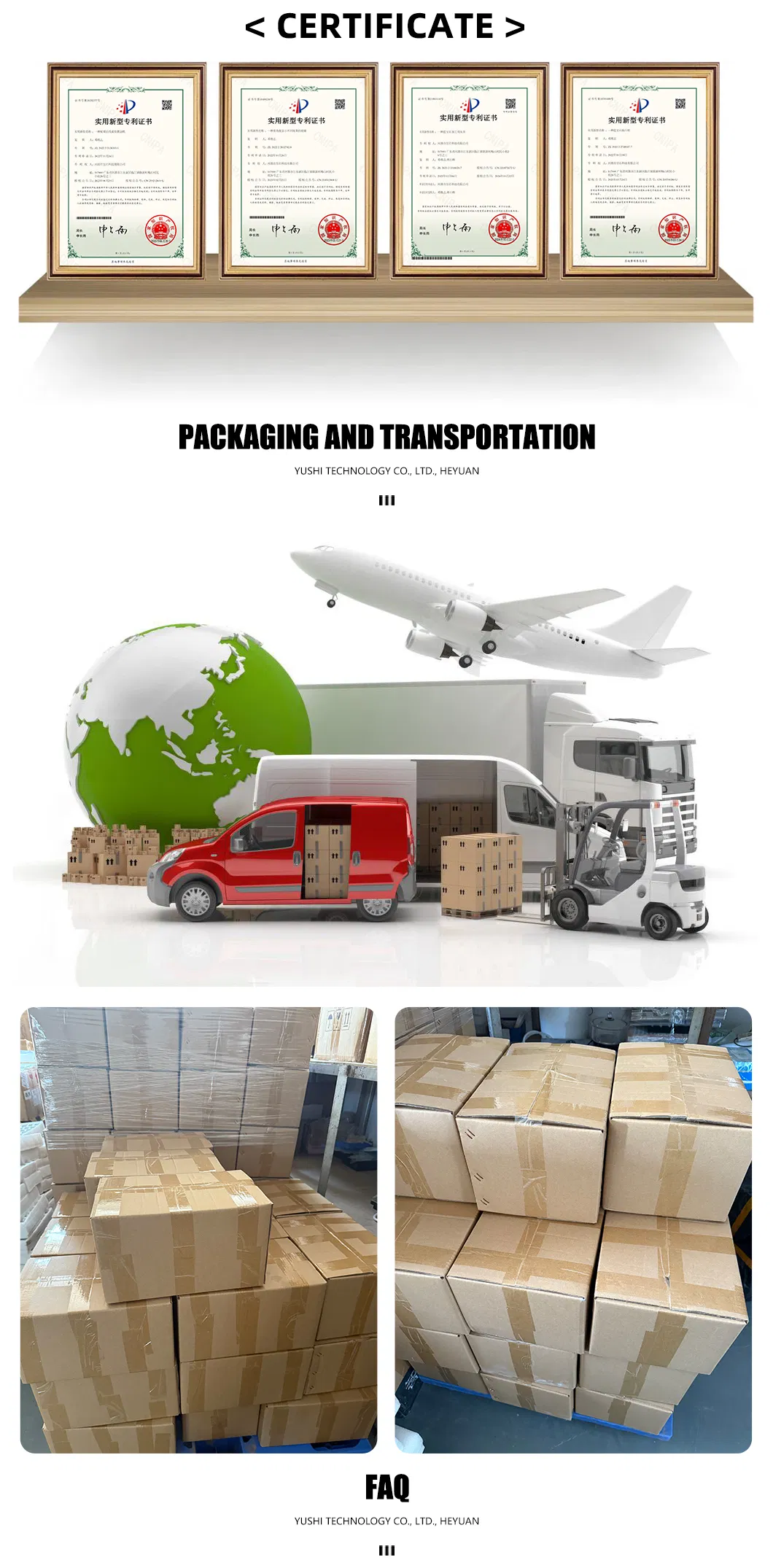
Packaging & Delivery

Package Size:20.00cm * 20.00cm * 20.00cm
Gross Weight:1.000kg
Package Type:Factory-Sealed Protective Packaging

Frequently Asked Questions

What are the primary advantages of Sapphire Glass?
Sapphire glass offers extreme hardness (Mohs 9), excellent thermal conductivity, and a broad optical transmission range from UV to Mid-IR, making it ideal for harsh environments.
Can the size and shape of the optical windows be customized?
Yes, we provide customizable options for dimensions (1-1000mm), shapes (flat, spherical, aspheric), and thickness tolerances to meet specific application requirements.
What types of optical coatings can be applied?
We offer Anti-Reflection (AR), High Reflection (HR), Oleophobic/Hydrophobic, and Conductive (ITO) coatings to enhance performance and durability.
Is the material resistant to chemical corrosion?
Sapphire is highly stable and insoluble in water. It is resistant to most strong acids and bases, though it can be affected by HF and hot phosphoric acid.
What is the typical lead time and production capacity?
Our annual production capacity is approximately 1,000,000 units. Lead times vary based on customization requirements and order volume.
What industries commonly use these sapphire components?
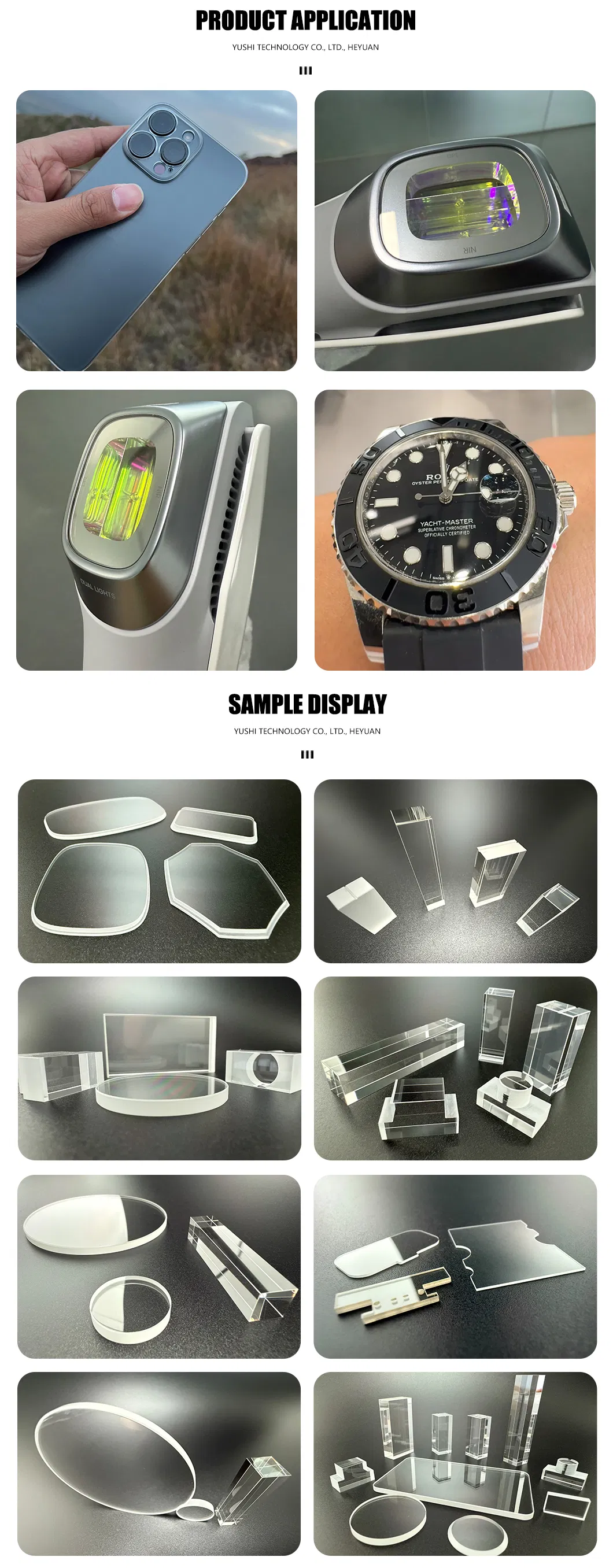
Common applications include medical instruments, aerospace sensors, high-power laser systems, semiconductor processing, and high-end consumer electronics.

Related Products