Focus Laser
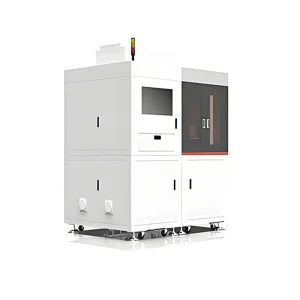
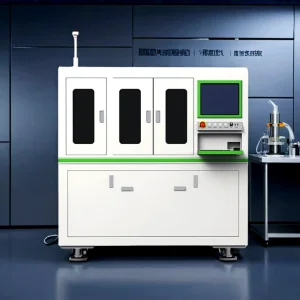
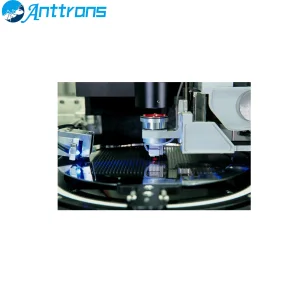
1. The Physics and Mechanics of Optical Glass Laser Shaping
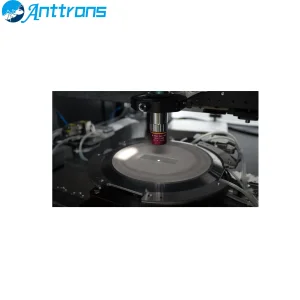
Optical glass processing has transitioned from mechanical cutting and abrasive grinding to advanced light-matter interaction technologies. Traditional methods introduce micro-fractures, edge chipping, and residual stresses that compromise the structural integrity of thin-film and bulk optical components. Ultrafast lasers—specifically operating in the picosecond and femtosecond regimes—solve these issues by utilizing non-linear multi-photon absorption processes.
By focusing high-intensity laser energy into the bulk or surface of a transparent dielectric material, the laser initiates localized electron ionization. This occurs within a timeline shorter than the material's thermal diffusion rate, creating a phenomenon known as "cold ablation." Thermal damage, heat-affected zones (HAZ), and micro-cracking are virtually eliminated, allowing for sub-micron precision shaping.
In industrial glass cutting, spatial beam shaping techniques like Bessel beams are critical. By transforming a standard Gaussian beam into a non-diffracting Bessel beam using axicon optics, we generate a high-aspect-ratio focus line. This focus line facilitates single-pass modification of thick optical glass sheets, paving the way for thermal stress splitting with mechanical clean cuts and high edge quality.
2. Togo's Industrial Modernization and the Need for Advanced Manufacturing
The Republic of Togo is positioning itself as a central hub for industrial processing and logistics in West Africa. Under initiatives like the Plateforme Industrielle d'Adétikopé (PIA) and the modernization of the Autonomous Port of Lomé, Togo is actively expanding its manufacturing capabilities. Integrating optical glass laser shaping systems into Togo's industrial pipeline offers several strategic advantages:
- Leapfrogging Legacy Technologies: By adopting laser micro-machining, Togolese manufacturers bypass the need for high-maintenance mechanical diamond cutting wheels, reducing dependance on consumable tooling and minimizing downtime.
- Expanding Renewable Infrastructure: The West African region's solar energy goals demand high-transmittance, tempered, and structured cover glass for photovoltaic modules. Localized laser shaping allows for the custom cutting, drilling, and structuring of solar glass to withstand regional environmental conditions.
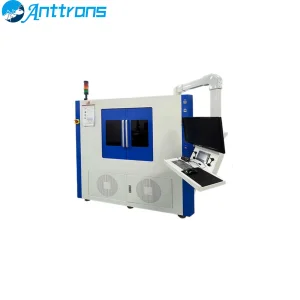
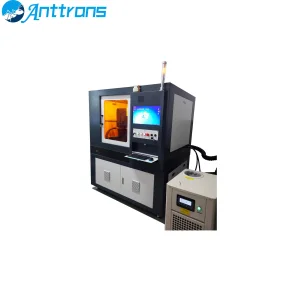
- Capacity Building: Installing automated CNC laser systems facilitates the training of Togolese engineers in precision mechatronics, optical alignment, and high-tech manufacturing workflows.