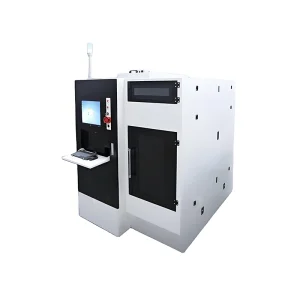
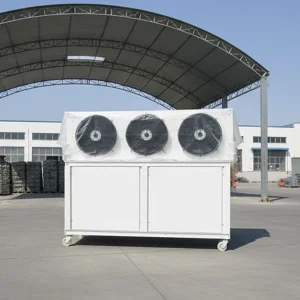
Explore our top industrial solutions ranging from ultra-short pulse laser markers and coating systems to automated hardware integrations.

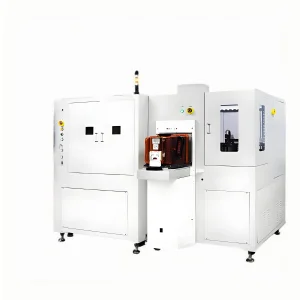
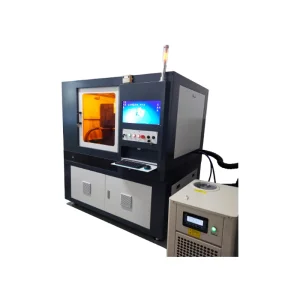
Pioneering High-Precision Industrial Processing Solutions for Advanced Manufacturing
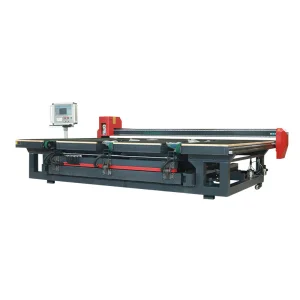
Hangzhou Focus Laser Co., Ltd. is a professional manufacturer specializing in advanced laser processing equipment for the electronics and display industries. The company focuses on the development and production of PCB laser cutting machines and glass laser cutting systems, delivering high-precision solutions for micro-electronics manufacturing and optical material processing.
Its technologies are widely applied in PCB depaneling, flexible circuit board (FPC) processing, semiconductor packaging, and precision glass cutting for smartphones, display panels, and optical components. By integrating fiber laser technology, ultra-fine beam control, and intelligent CNC systems, Hangzhou Focus Laser ensures high cutting accuracy, smooth edges, and minimal thermal-affected zone (HAZ) damage during processing.
The company’s equipment is extensively used in industries such as consumer electronics, semiconductor manufacturing, automotive electronics, and smart display production. It supports both high-volume industrial production and customized precision machining requirements. Hangzhou Focus Laser Co., Ltd. emphasizes innovation, reliability, and engineering excellence. With strong R&D capabilities and strict quality control standards, the company provides OEM and ODM services to meet global customer needs, aiming to become a leading global supplier of precision laser solutions for PCB, glass, and advanced electronic manufacturing applications.
The shift toward micro-machining, ultrashort pulses, and green processing paradigms
Transitioning from nanosecond lasers to picosecond and femtosecond pulse regimes. By reducing the thermal exposure duration to the sub-picosecond range, energy is absorbed before heat conduction can occur, leading to precise sublimation and minimal heat-affected zones (HAZ).
Using different wavelengths (1064nm IR, 532nm Green, 355nm UV, and 266nm DUV) to process various materials. Integration of spatial light modulators (SLM) allows dynamic beam shaping, shifting from Gaussian beams to Flat-Top profiles to ensure uniform energy distribution.
Modern systems utilize machine vision combined with real-time closed-loop feedback algorithms. Vision systems dynamically compensate for substrate warpage and shrinkage on fly-marking production lines, improving yields in high-volume settings.
Critical considerations for matching equipment specifications with engineering demands
Enterprise procurement departments must balance total cost of ownership (TCO), technological flexibility, and long-term reliability. When sourcing precision laser marking and cutting machinery, engineers prioritize specific performance benchmarks over baseline pricing. The checklist below highlights the key parameters required by modern smart factories:
| Evaluation Parameter | Technical Benchmark Target | Operational Impact | Risk Mitigation Category |
|---|---|---|---|
| Beam Quality Metric ($M^2$) | $M^2 < 1.1$ to $1.3$ | Smaller focal spot size; higher energy density | Prevents focal distortion and micro-cracks in glass |
| MTBF (Mean Time Between Failures) | > 50,000 Operating Hours | Reduced unscheduled downtime in 24/7 assembly lines | Ensures continuous production floor operations |
| Galvanometer Scanning Speed | Up to 15,000 mm/s | Higher throughput in multi-pattern drilling/marking | Optimizes cost-per-part processing economics |
| Interface Standardization | OPC UA, Ethernet/IP, Profinet | Direct data handshake with MES and ERP databases | Facilitates Industry 4.0 data capture |
| Pulse Width Performance | < 10 Picoseconds (for ultrafast) | Thermal-free cold cutting and ablation | Protects layered polymers (FPC) from carbonization |
How advanced laser and surface technology integrations solve modern manufacturing challenges
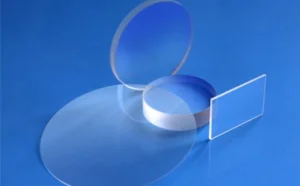
Processing brittle materials like display glass and sapphire tubes requires precise laser configurations to prevent edge chipping. Technologies such as Through Glass Via (TGV) laser drilling allow manufacturers to create micro-interconnects for 3D packaging. Combined with PVD coating systems (e.g., Simvaco systems), this ensures clean surfaces for subsequent metallization layers.
As mobile electronics shrink, traditional mechanical routing can stress components and delaminate PCB layers. Laser depaneling systems slice multi-layer FR4 and flexible polyimide substrates with high speed, leaving a clean carbon-free cut. Using wavelength-specific systems (such as UV or CO2 systems), processing setups can be tuned for different dielectric profiles.
For component tracking, picosecond and UV laser engraving systems can etch sub-100-micron high-contrast QR codes directly onto silicon wafers, lead frames, and molded packaging materials. Because these markings are chemical and thermal resistant, traceability is maintained throughout the component lifecycle.
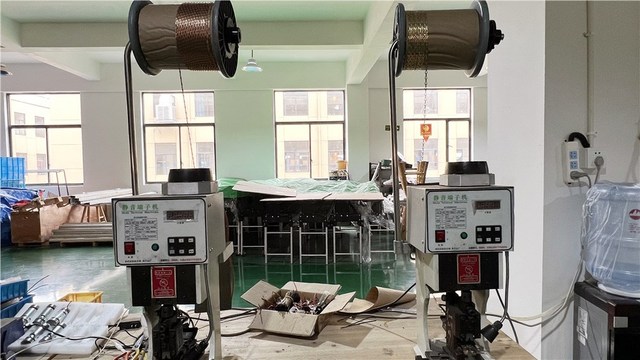
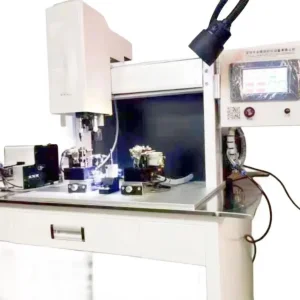
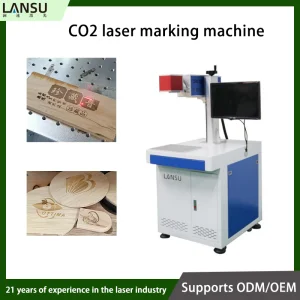
Modern production floors require high compatibility between manufacturing cells. Integrating automatic locking screw machines and laser marking cells into unified assembly lines helps streamline material handling. To ensure safe operation, automated CO2/UV marking cabins are equipped with smart fire suppression systems (e.g., HFC-227ea systems) and safety lockouts.
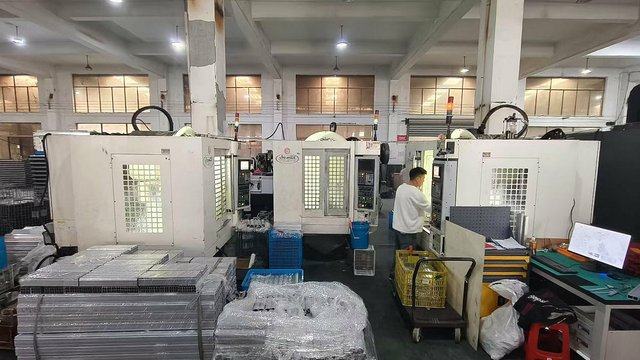
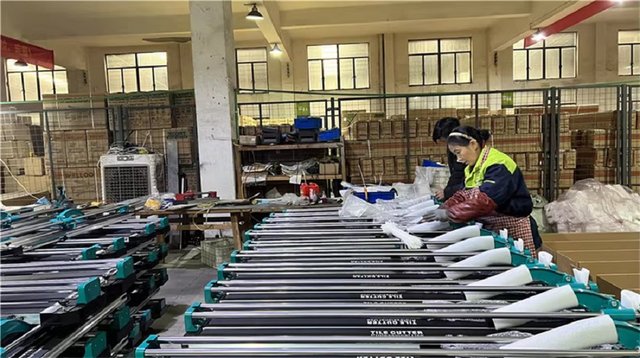
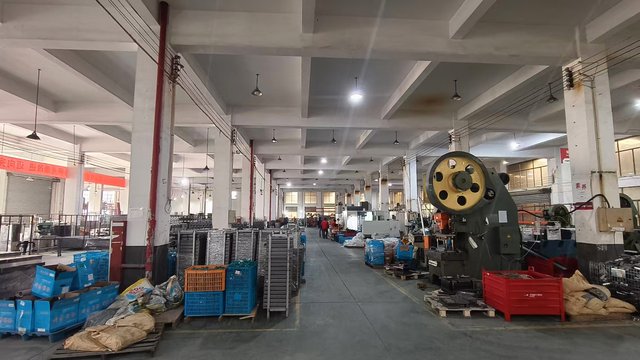
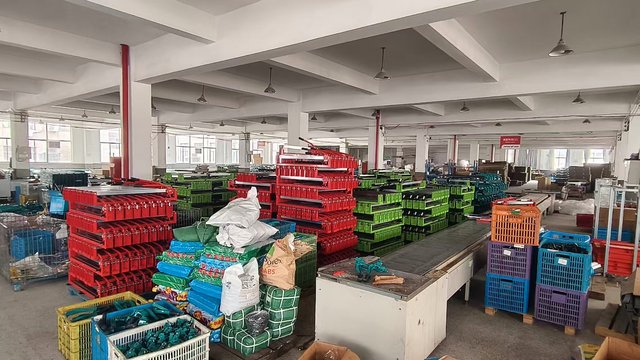
Visualizing high-tech manufacturing, system diagnostics, and precision optics assembly

Our ongoing commitment to next-generation laser engineering and processing capabilities
Deploying picosecond laser systems for clean glass cutting (TGV), micro-drilling, and marking with high precision. Standardizing CE-certified CO2 laser marking platforms across automated factory lines.
Developing hybrid optical paths that combine UV lasers with PVD surface preparation technology. This allows real-time coating and micro-patterning in a single vacuum chamber, streamlining the production process.
Integrating sub-femtosecond UV laser sources with real-time AI spatial beam reshaping. These systems adjust focal depth dynamically to adapt to surface variations during large-format processing.
Supporting global manufacturing plants with responsive service and local certification standards
Operating a global manufacturing plant requires compliance with various regional regulations. Equipment supplied to international sites must meet strict safety and environmental standards.
Technical insights on laser engraving, material interactions, and system setup
From mechanical cutting tools to facility safety equipment and intelligent warehousing components
 Focus Laser