Explore our premium grade micro-machining, engraving, and automation systems engineered for high-accuracy industrial environments.
Global Standard Manufacturing of Advanced Laser Processing Equipment for Electronics, Displays, and Semiconductors.
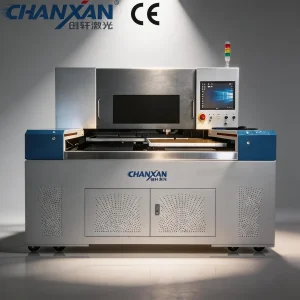
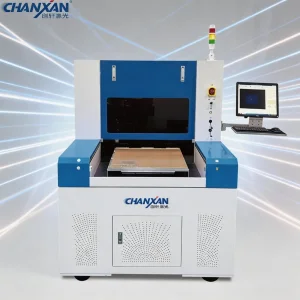
Hangzhou Focus Laser Co., Ltd. is a professional manufacturer specializing in advanced laser processing equipment for the electronics and display industries. The company focuses on the development and production of PCB laser cutting machines and glass laser cutting systems, delivering high-precision solutions for micro-electronics manufacturing and optical material processing.
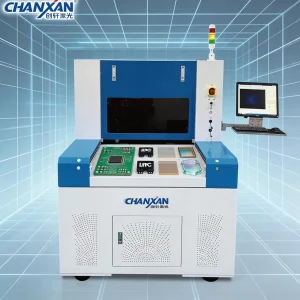
Our industry-leading technologies are widely applied in PCB depaneling, flexible circuit board (FPC) processing, semiconductor packaging, and precision glass cutting for smartphones, display panels, and optical components. By integrating fiber laser technology, ultra-fine beam control, and intelligent CNC systems, Hangzhou Focus Laser ensures high cutting accuracy, smooth edges, and minimal thermal damage during processing.
"Through continuous innovation, Hangzhou Focus Laser bridges the gap between high-precision optical demands and robust industrial throughput. We support both high-volume industrial production and customized precision machining requirements globally."
Our commitment to engineering excellence enables us to provide comprehensive OEM and ODM services to meet global customer needs. By continuously advancing laser micro-processing technology, we aim to remain a leading global supplier of precision laser solutions for PCB, glass, and advanced electronic manufacturing applications.
The industrial landscape is undergoing a critical transition from traditional mechanical cutting and ablation methods to high-power, ultrafast laser scanning technologies. Driven by the demands of miniaturization in consumer electronics and high-durability standards in automotive electronics, the development of laser scanning technology centers on three main axes: wavelength optimization, pulse-duration reduction, and multi-axis dynamic scanning integration.
Ultrafast lasers—specifically picosecond and femtosecond systems—have become the benchmark for cutting-edge electronics processing. Unlike nanosecond lasers that rely heavily on photothermal degradation (which can melt surrounding substrate material), ultrafast lasers deliver energy within a time window shorter than the electron-phonon relaxation time of the material. This process, known as "cold ablation," results in clean edges with almost zero carbonization, minimal micro-cracking, and a negligible Heat-Affected Zone (HAZ). This is particularly essential when handling high-density FPCs, where thermal deformation can lead to layer delamination or track failure.
Concurrently, the integration of high-speed galvo-scanner heads with linear motor stages has revolutionized optical beam delivery. Modern 3D laser marking and scanning systems implement dynamic focusing modules (DFM) that constantly calibrate focal distance in real-time. This eliminates optical distortion at the edges of the scanning field, enabling three-dimensional, high-precision marking on highly contoured automotive or medical components without manual focal readjustments.
Today's global procurement managers look beyond base machine costs when sourcing laser scanning technology. Their evaluation criteria focus heavily on operational stability, automation readiness, and compliance with trace-level data tracking standards. Modern manufacturing lines require:
China's industrial landscape has transitioned from simple component assembly to highly integrated, advanced optical manufacturing ecosystems. Through vertical integration, China-based suppliers like Hangzhou Focus Laser maintain a structural advantage:
The versatility of advanced laser scanning technology translates into multiple high-value use cases across primary industrial manufacturing segments. Below are the key engineering integrations implemented by Hangzhou Focus Laser:
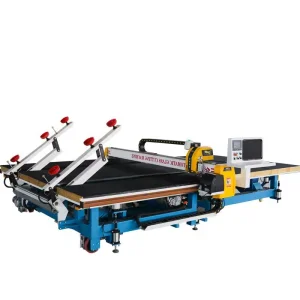
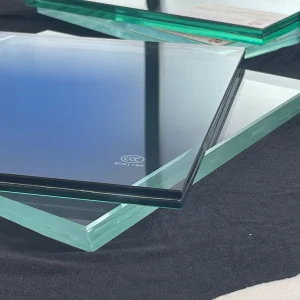
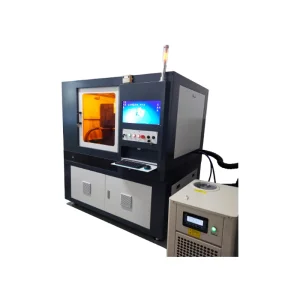
With display panel technology moving toward flexible OLEDs and ultra-thin glass covers, mechanical scoring methods suffer from unacceptably high reject rates. Our nanosecond and UV picosecond laser cutting machines utilize highly optimized optical paths to achieve zero-touch, high-speed cutting. Integrated overload protection and advanced CNC control software guarantee that delicate glass components remain free from micro-fractures, maintaining their mechanical yield strength during device falls.
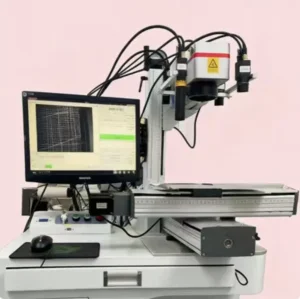
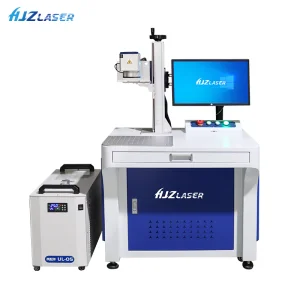
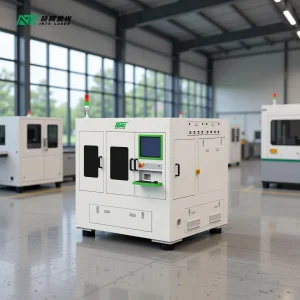
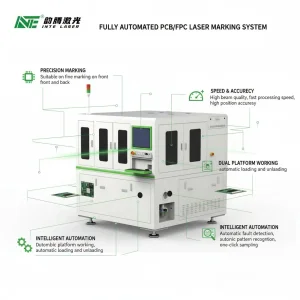
High-density circuit boards demand microscopic identification codes for lifecycle tracking. The Fully Automated PCB/FPC Laser Marking System combines high-resolution vision positioning with high-performance lasers. Coupled with customized material handling (automated loaders/unloaders) and MES software integration, this system marks high-density barcodes onto boards without any thermal deformation that could compromise trace integrity.
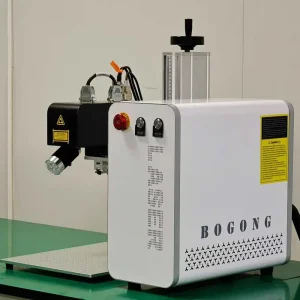
Automotive components endure harsh thermal, chemical, and physical stresses. Scribing batch numbers or tracking matrices using traditional labeling is insufficient. The Modular Design 3D Fiber Laser Marking System provides permanent, contrast-rich markings on complex molded parts, including engine blocks, cast iron housings, and interior plastic dashboards. The dynamic Z-axis control tracks the precise curvature of the part in real-time, eliminating the need for flat-surface orientation.
Industrial filtration, medical nebulizers, and aerospace sensors often require micro-scale pore matrices on thin metallic and polymer films. Sourcing a customizable micropore processing system allows companies to manufacture hole layouts as small as 5 microns with highly uniform diameter distribution. This level of processing precision is achieved through sub-picosecond pulses that cleanly ablate material layers without melt-back or burr formation.
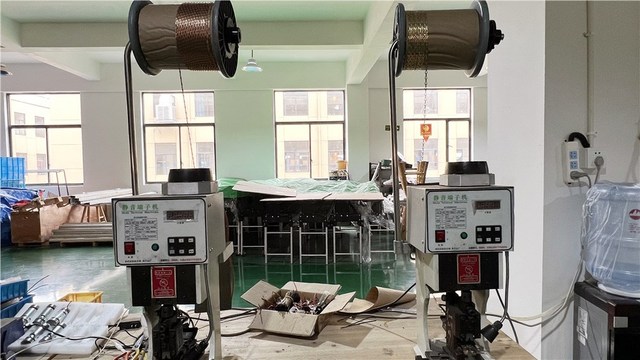
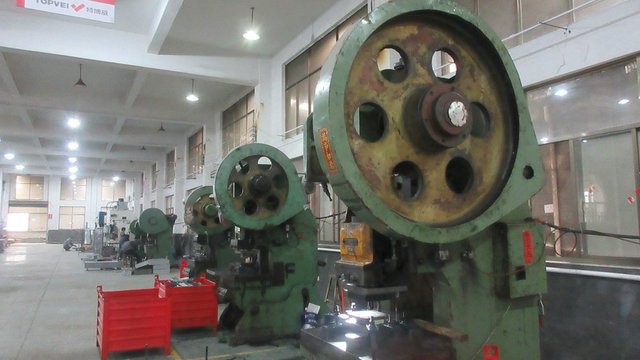
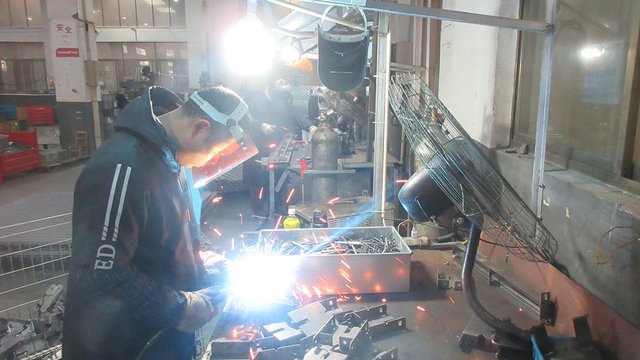
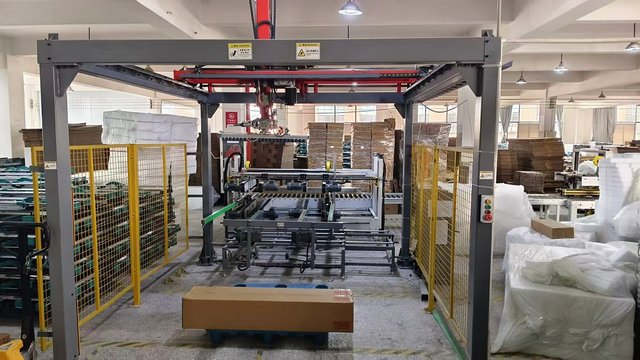
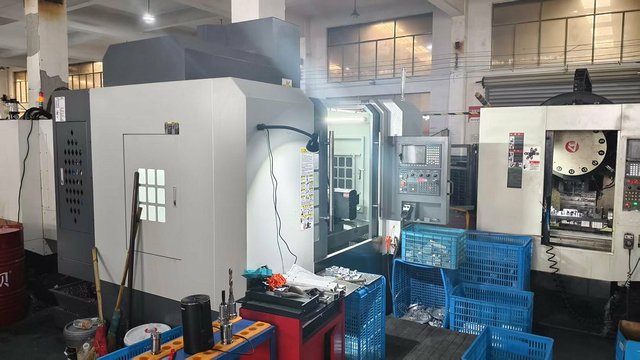
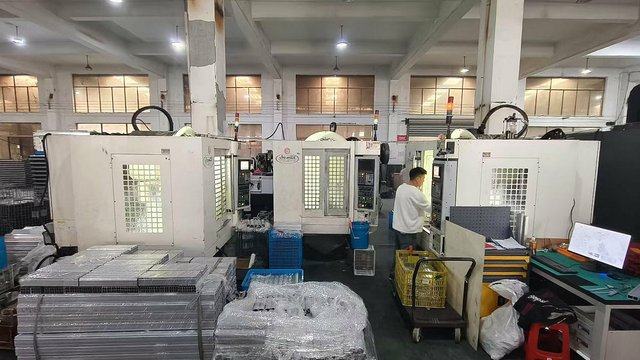
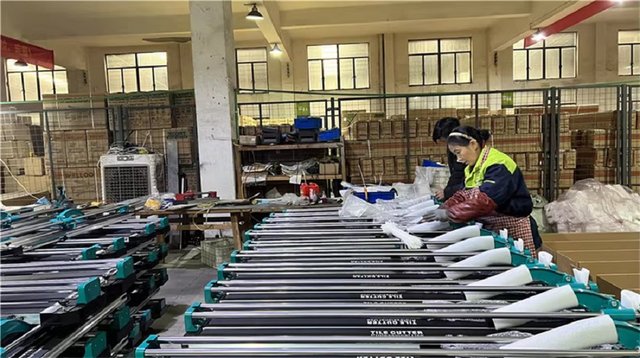
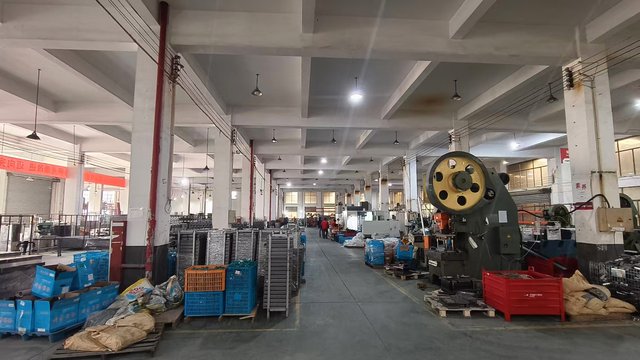
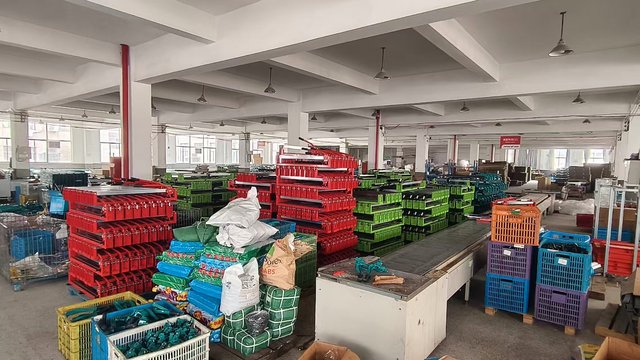
Take a virtual tour through our state-of-the-art optical calibration labs, cleanrooms, and testing facilities designed to maintain the highest quality standards.

Get professional answers from our engineering experts regarding system configuration, optical performance, and customization details.
Explore our highly integrated equipment designed to boost manufacturing efficiency, trace components, and process advanced materials.
 Focus Laser