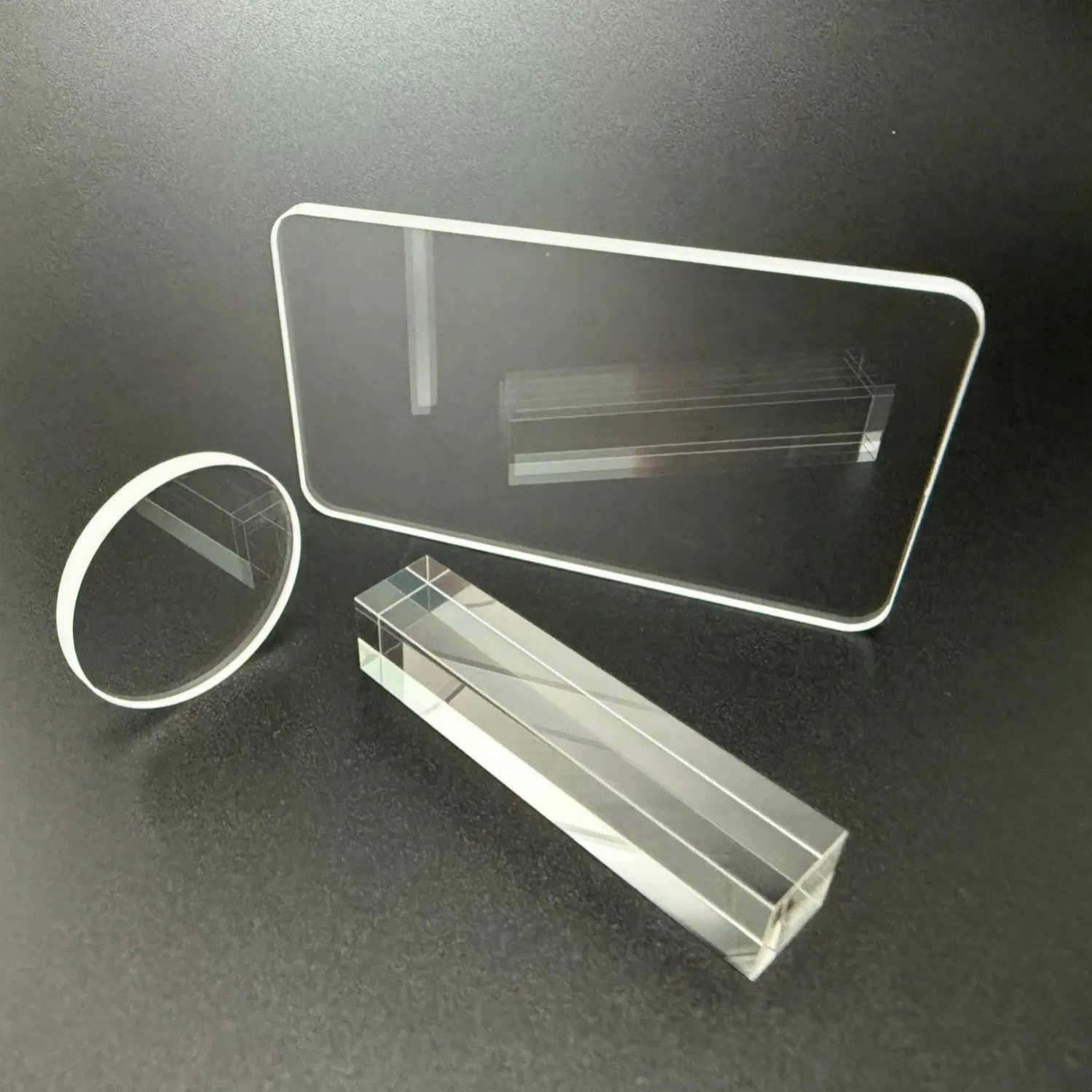
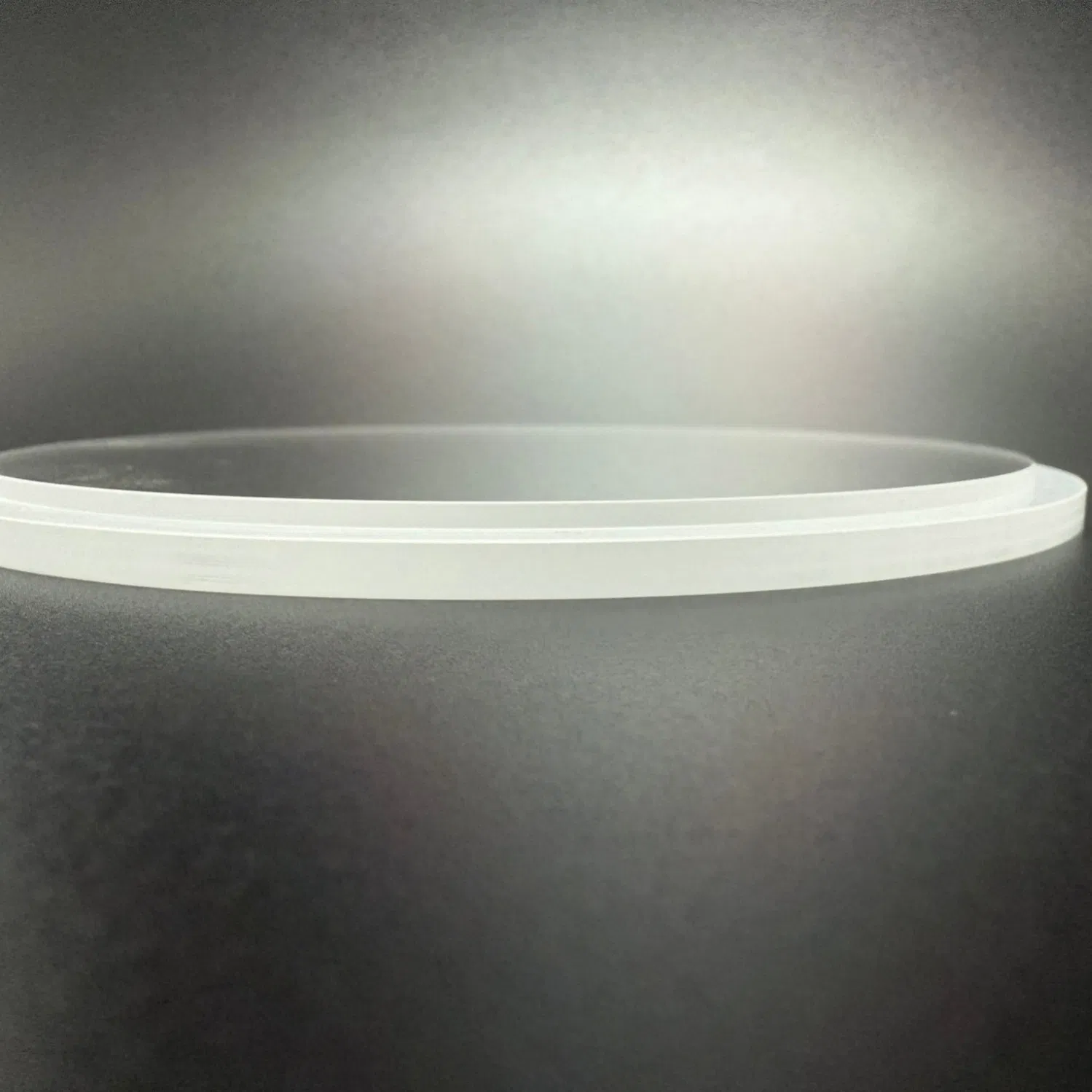
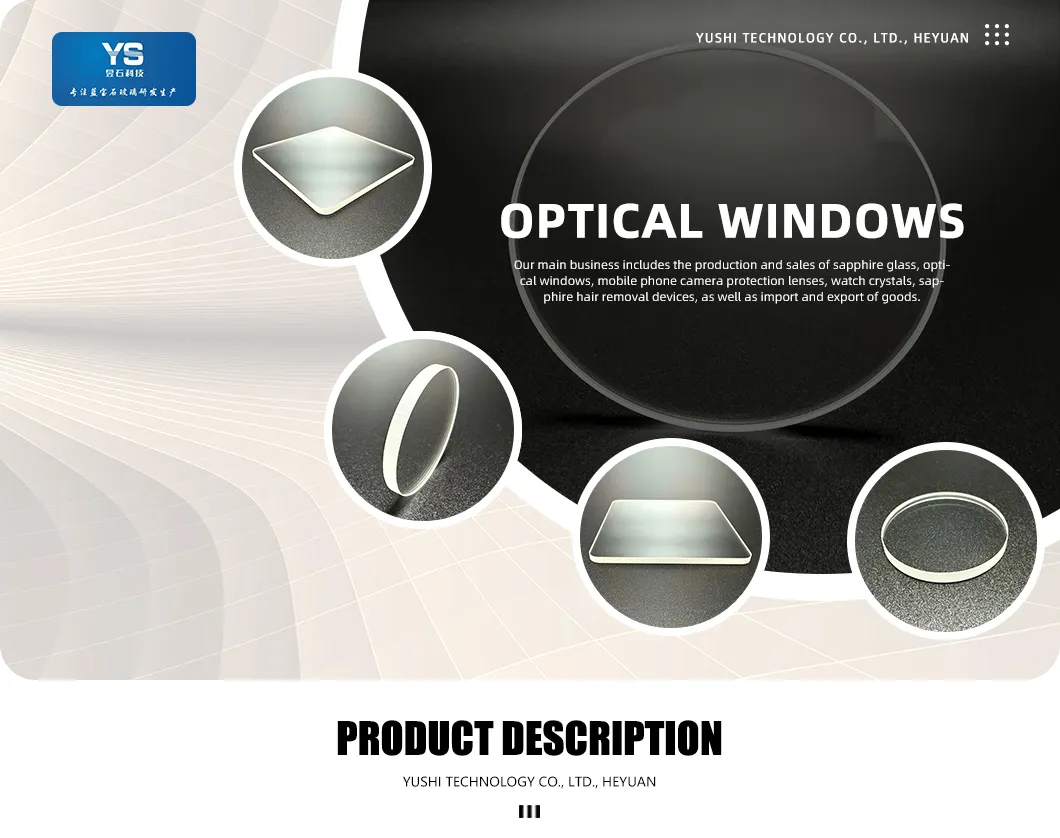
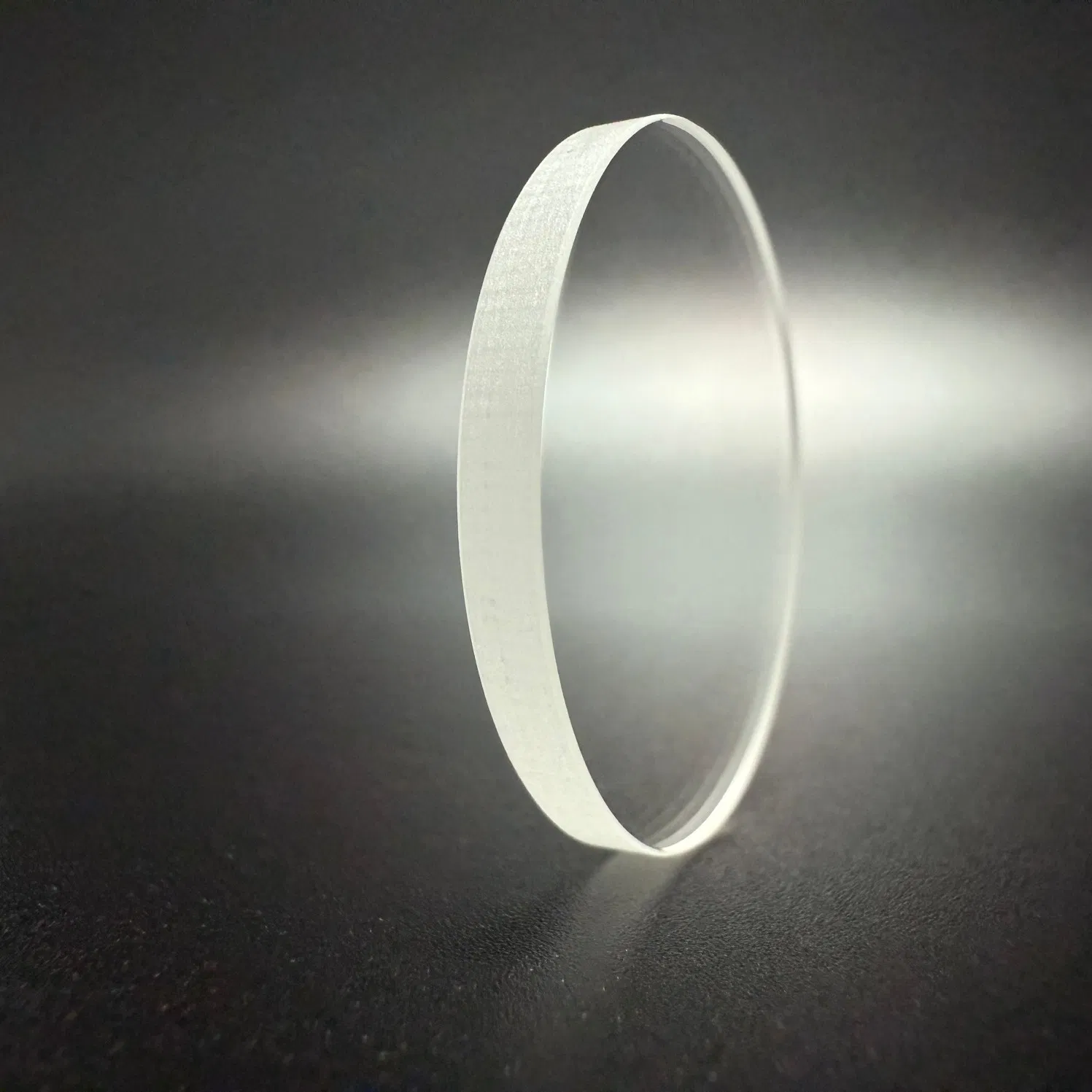
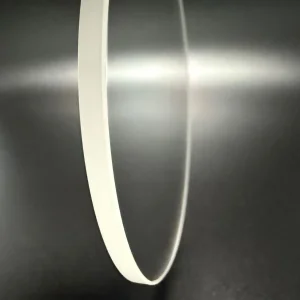
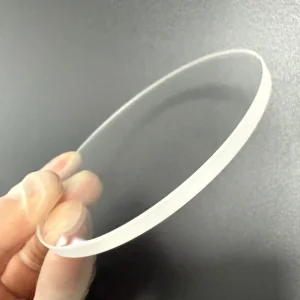
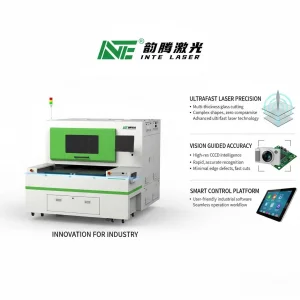
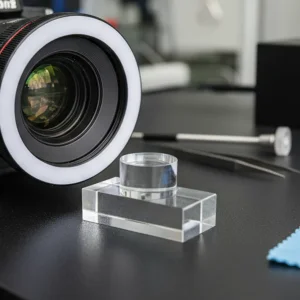
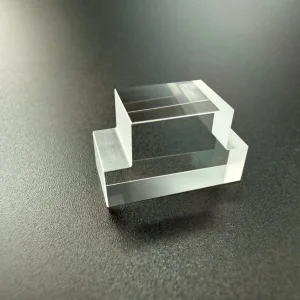
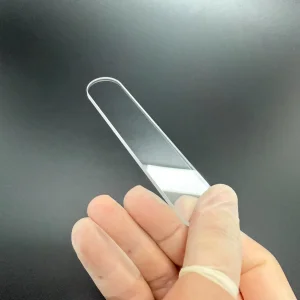
Optical Polish CNC High Precision Aspherical Lenses Coated

Still deciding? Get samples of $ !
Order Sample

Product Description

Basic Information

Model NO.1-1000mm
MaterialGlass / Synthetic Sapphire
ShapeBall / Flat / Customizable
ApplicationMedical, Civil, Labs
Transmittance>95%
HardnessMohs Hardness of 9
Density3.98 G/Cm³
Melting Point2040 °C
Transmission Range0.15 μm - 5.5 μm
Production Capacity1,000,000 / Year
Sapphire Optical Lens Overview
High Precision Lenses

Technical Specifications

Category Parameter Value / Description
Basic InfoProduct NameSapphire Glass Optical Window
MaterialCompositionSingle Crystal α-Aluminium Oxide
PhysicalMohs Hardness9 (Second only to diamond)
PhysicalYoung's Modulus345 GPa
ThermalMelting Point2040 °C
ThermalConductivity25 - 35 W/(m·K)
OpticalRefractive Indexno = 1.768 / ne = 1.760 (@587.6 nm)
OpticalTransmission Range0.15 μm - 5.5 μm (UV to Mid-IR)
SurfaceFlatnessλ/10 @ 632.8nm (High Precision)
SurfaceSurface Finish10-5 Scratch-Dig (MIL-PRF-13830B)
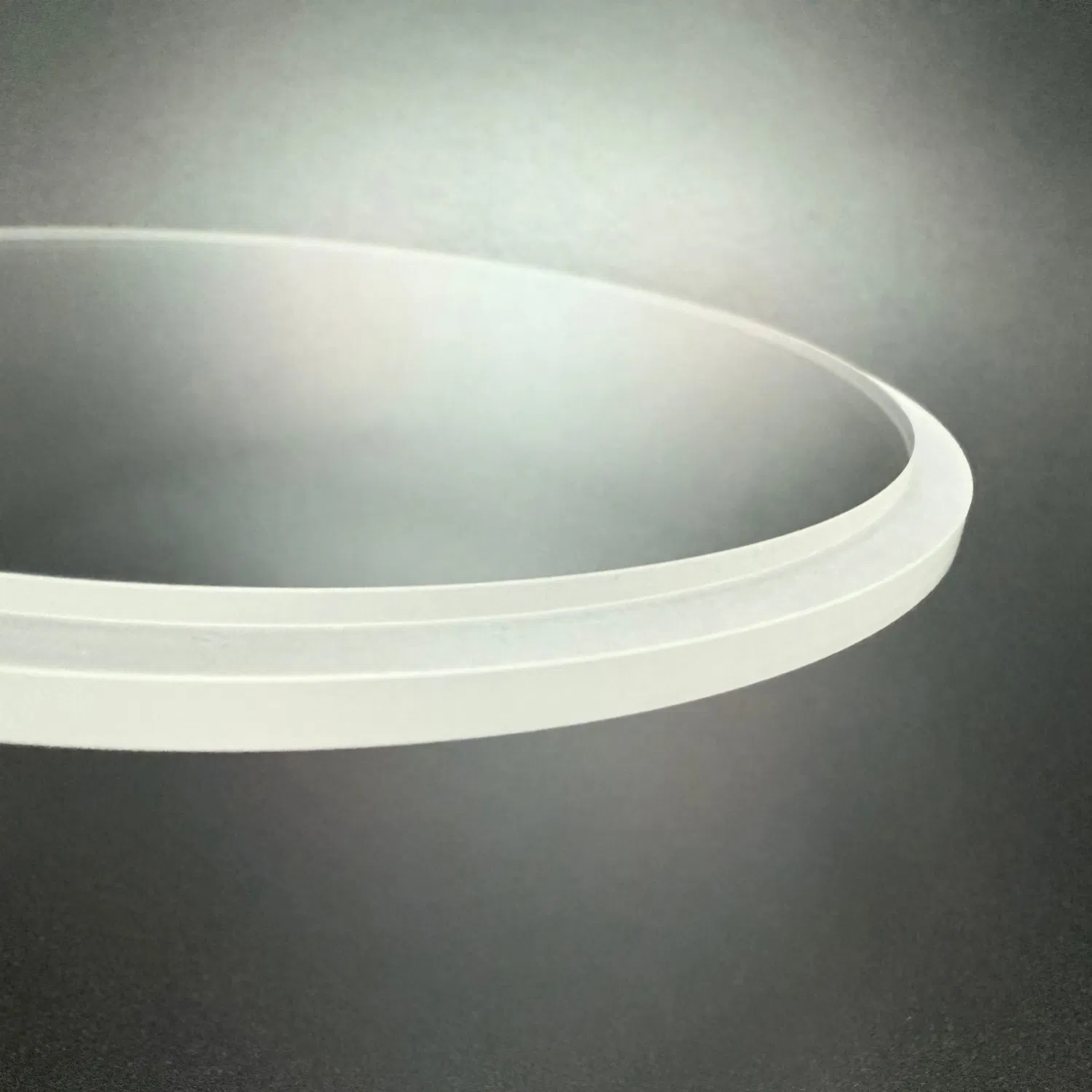
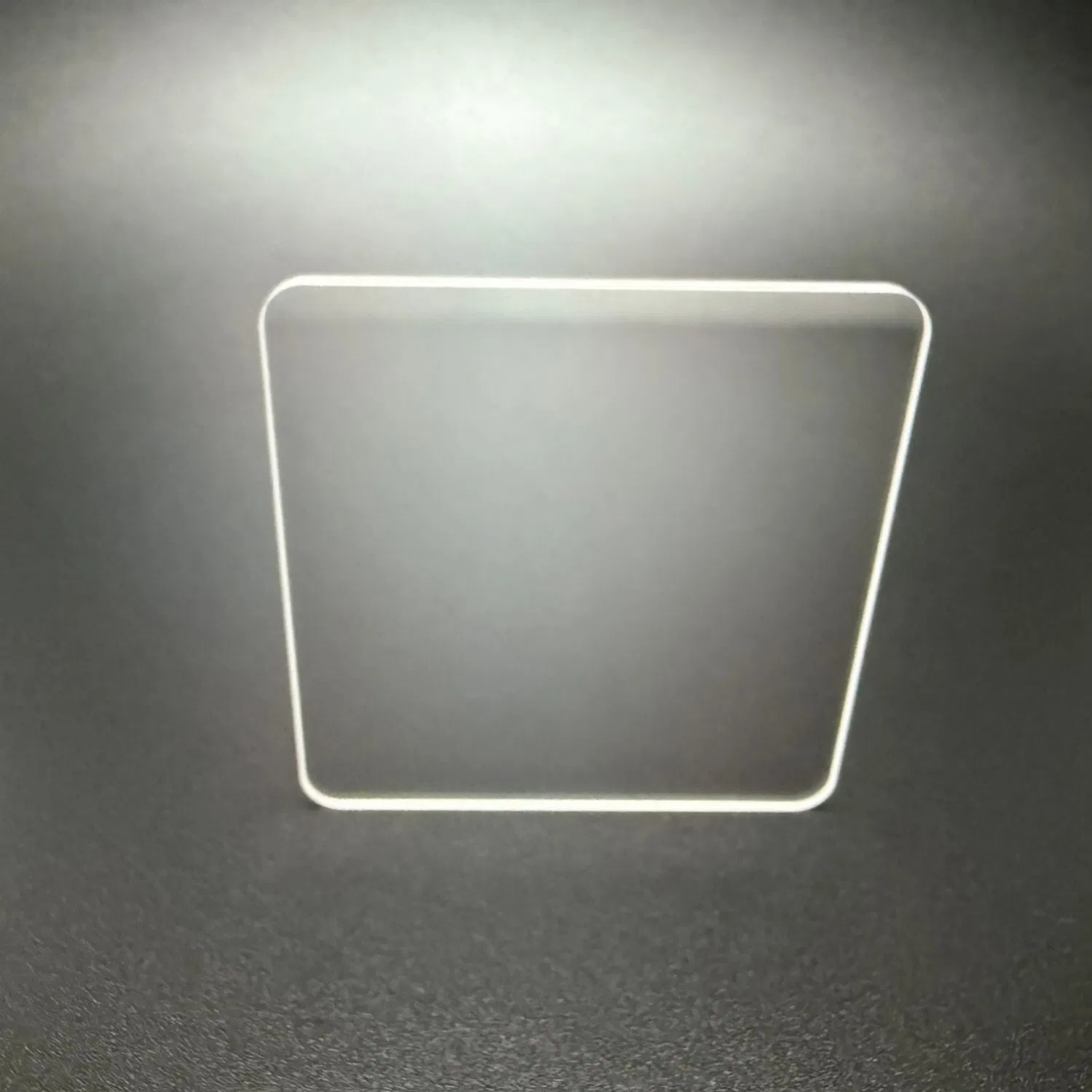
Technical Data Sheet 1
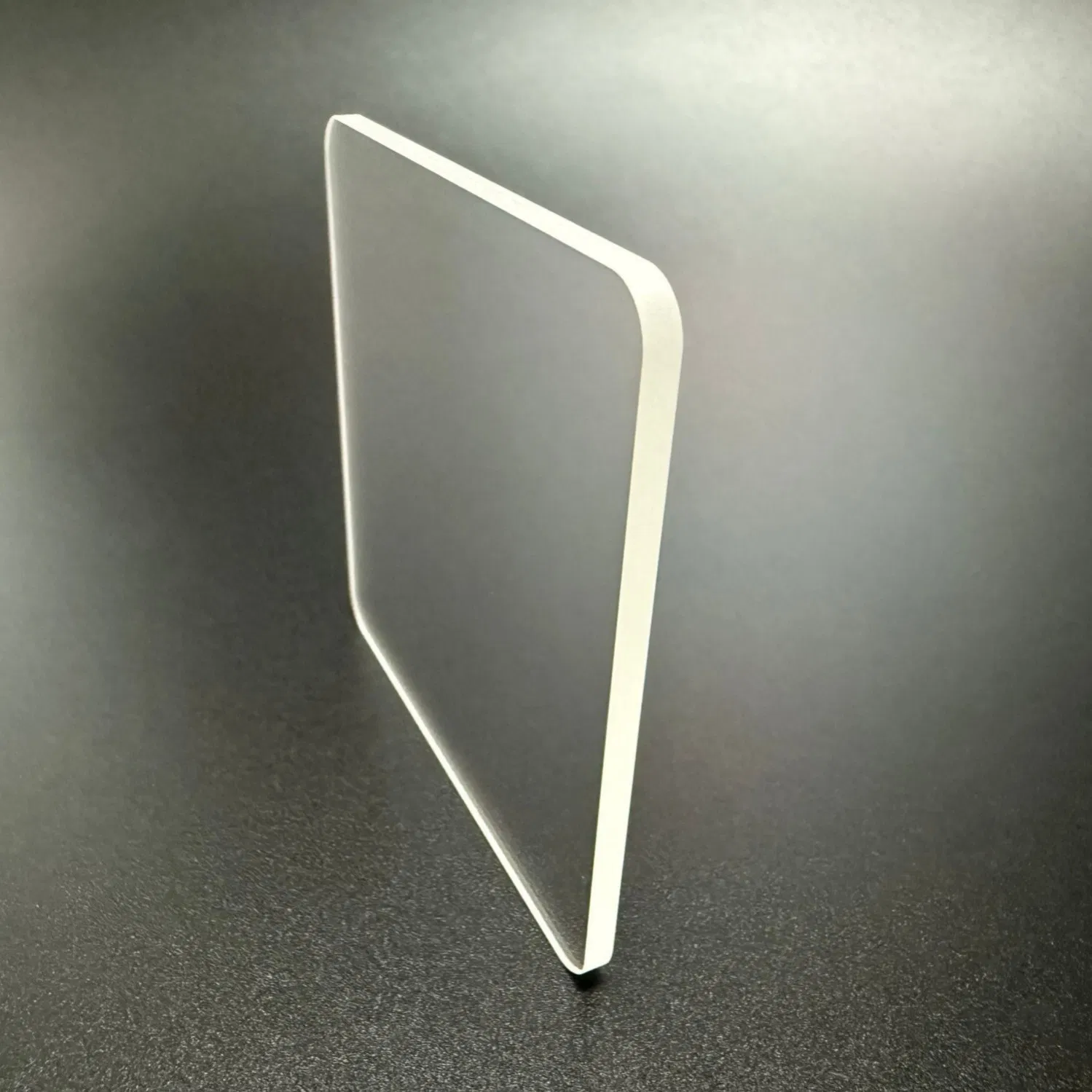
Technical Data Sheet 2

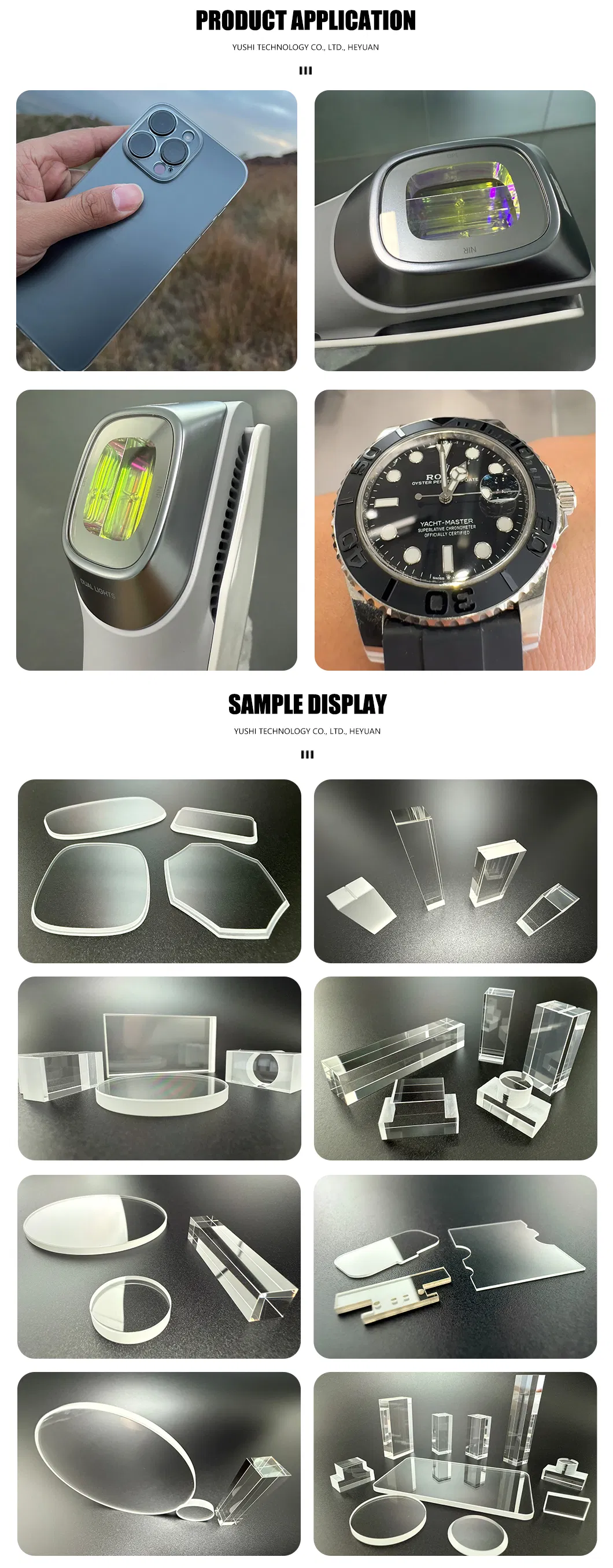
Primary Applications

Consumer Electronics: Camera covers, smartwatch crystals, fingerprint sensors.

Industrial & Research: High-power laser windows, vacuum viewports, spectrometer components.

Aerospace & Defense: Missile domes, EO/IR pod windows, armored vehicle viewports.

Medical: Endoscope protection lenses, surgical device windows, biosensors.
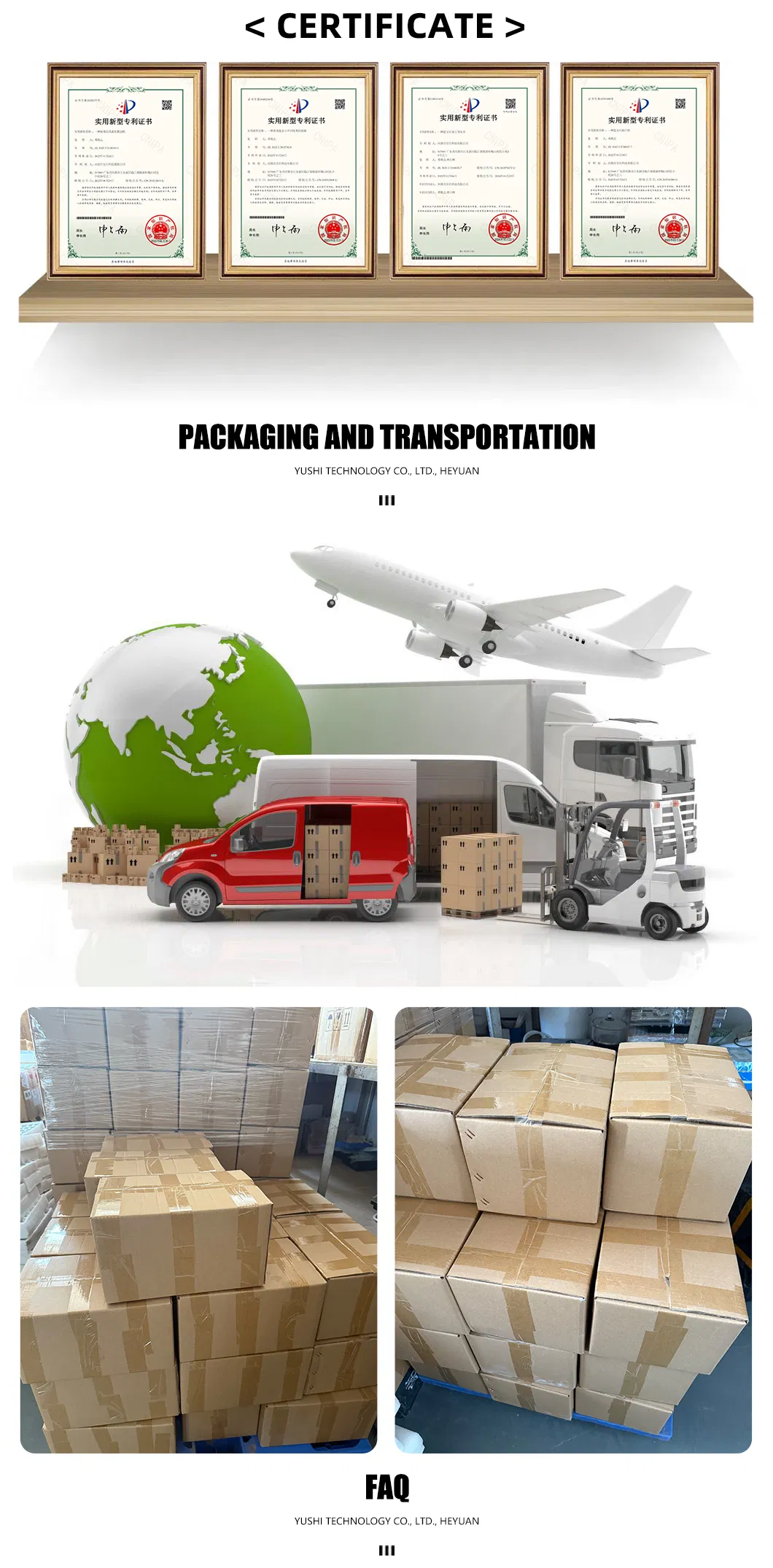
Quality Certifications

Factory Certifications

Frequently Asked Questions

Is sapphire glass made from real natural sapphires?
It is synthetic sapphire crystal created by crystallizing aluminum oxide at high temperatures. It has identical physical properties to natural sapphire but is manmade for industrial and optical clarity.
What is the primary advantage of using sapphire glass?
The core advantage is its extreme hardness (Mohs 9), making it virtually scratch-proof against everyday materials like keys or sand, maintaining long-term clarity.
Is sapphire glass shatterproof since it is so hard?
No. High hardness often means higher brittleness. While it is excellent at preventing scratches, it can be more susceptible to shattering upon heavy impacts compared to softer materials.
What is the light transmission range for this material?
Sapphire offers a broad transmission range from 0.15 μm to 5.5 μm, covering Deep UV, Visible light, and Mid-Infrared bands.
Can the shapes and coatings be customized?
Yes, we offer various forms including flat, spherical, and aspheric lenses. Coating options include Anti-Reflection (AR), High Reflection (HR), Oleophobic, and Conductive (ITO) coatings.
How does its thermal conductivity compare to standard glass?
Sapphire's thermal conductivity is approximately 25 - 35 W/(m·K), which is about 30 times higher than ordinary glass, making it excellent for high-heat environments.

Related Products