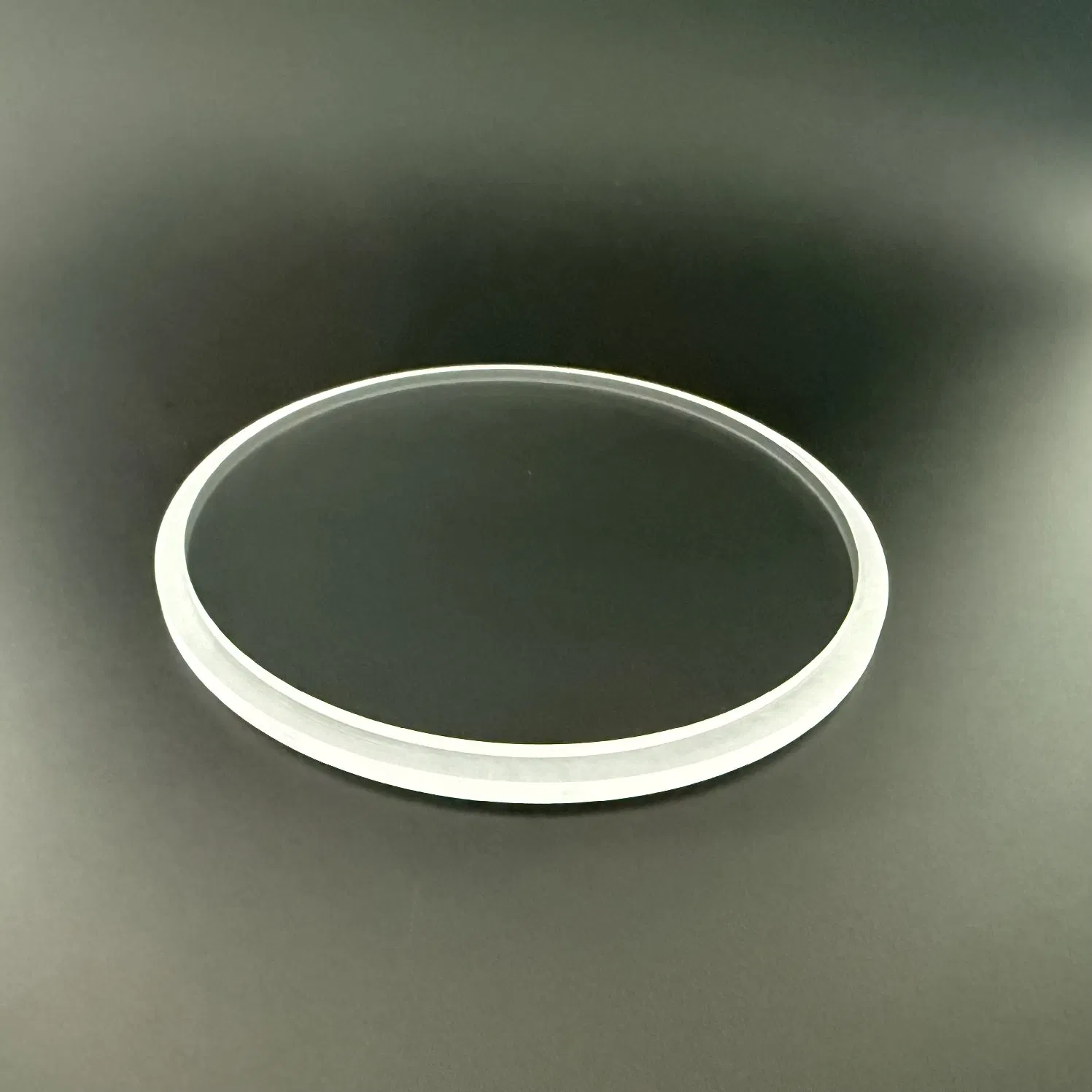
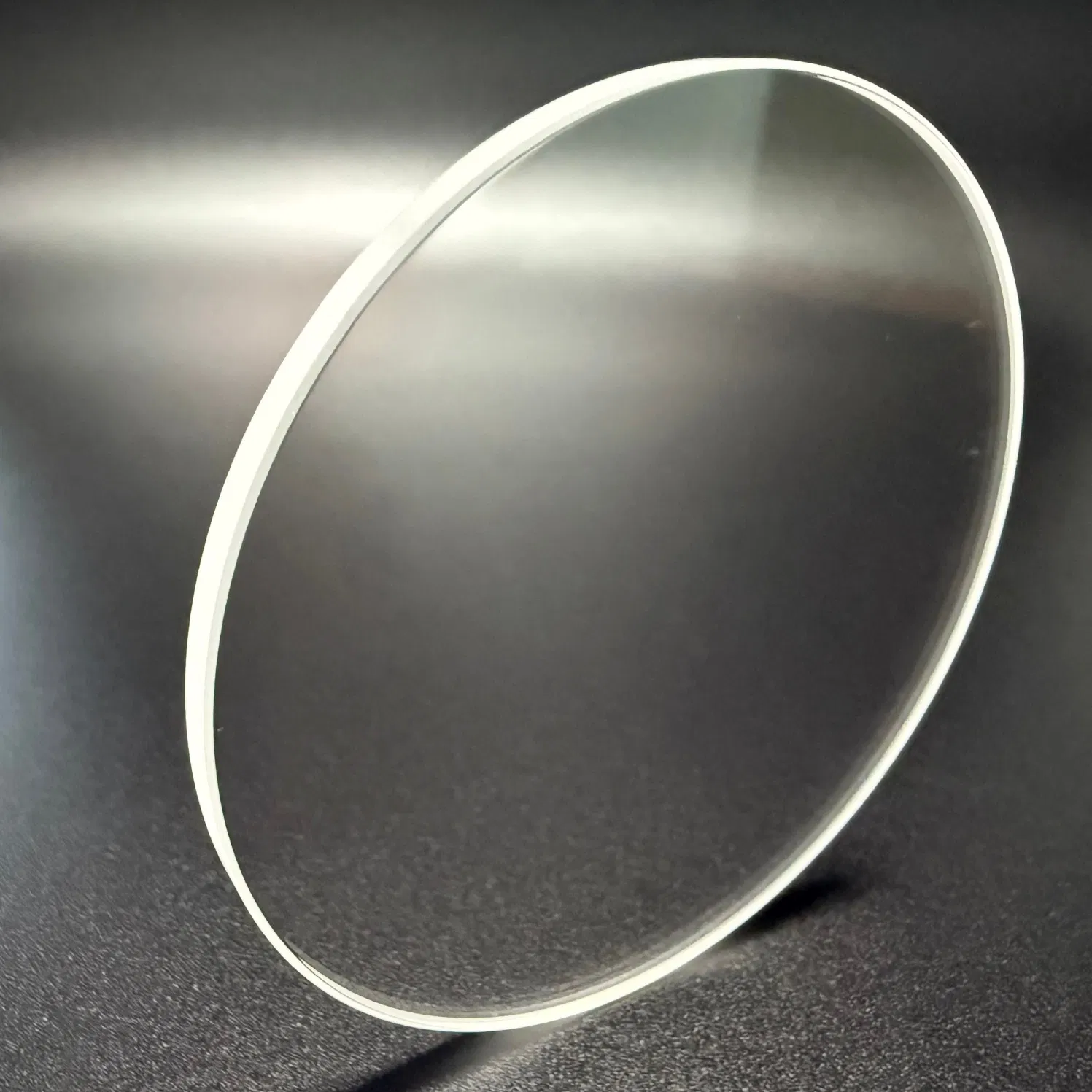
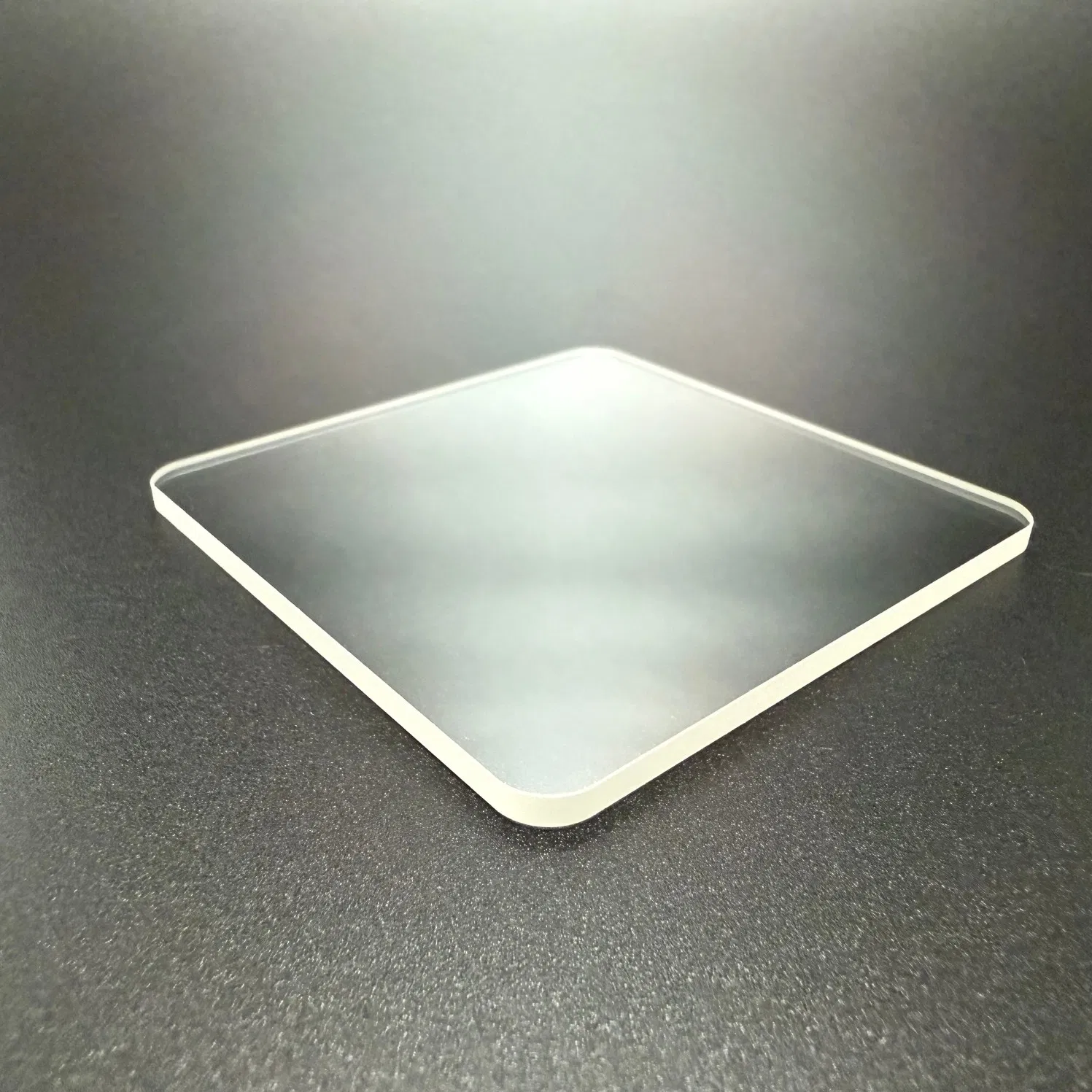
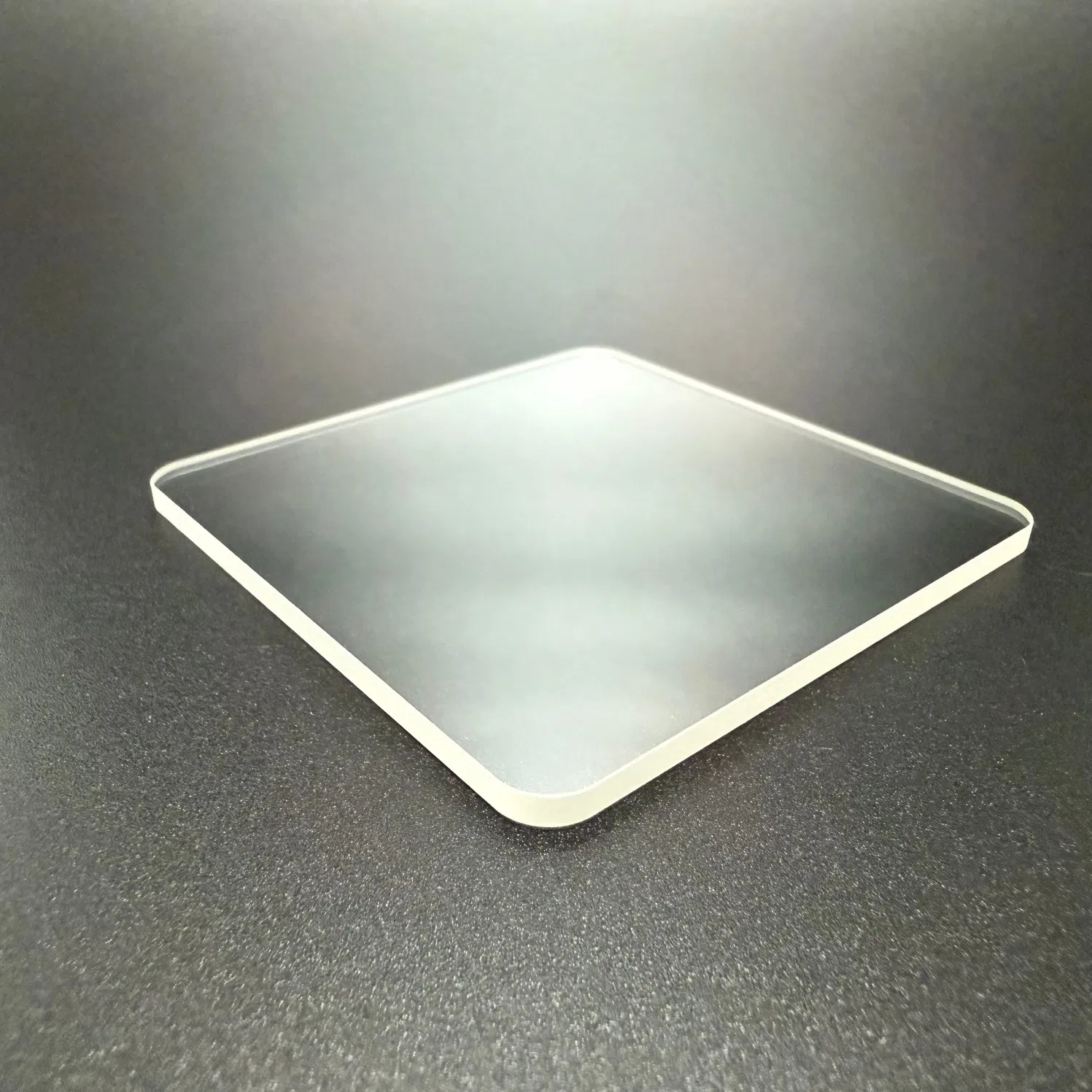
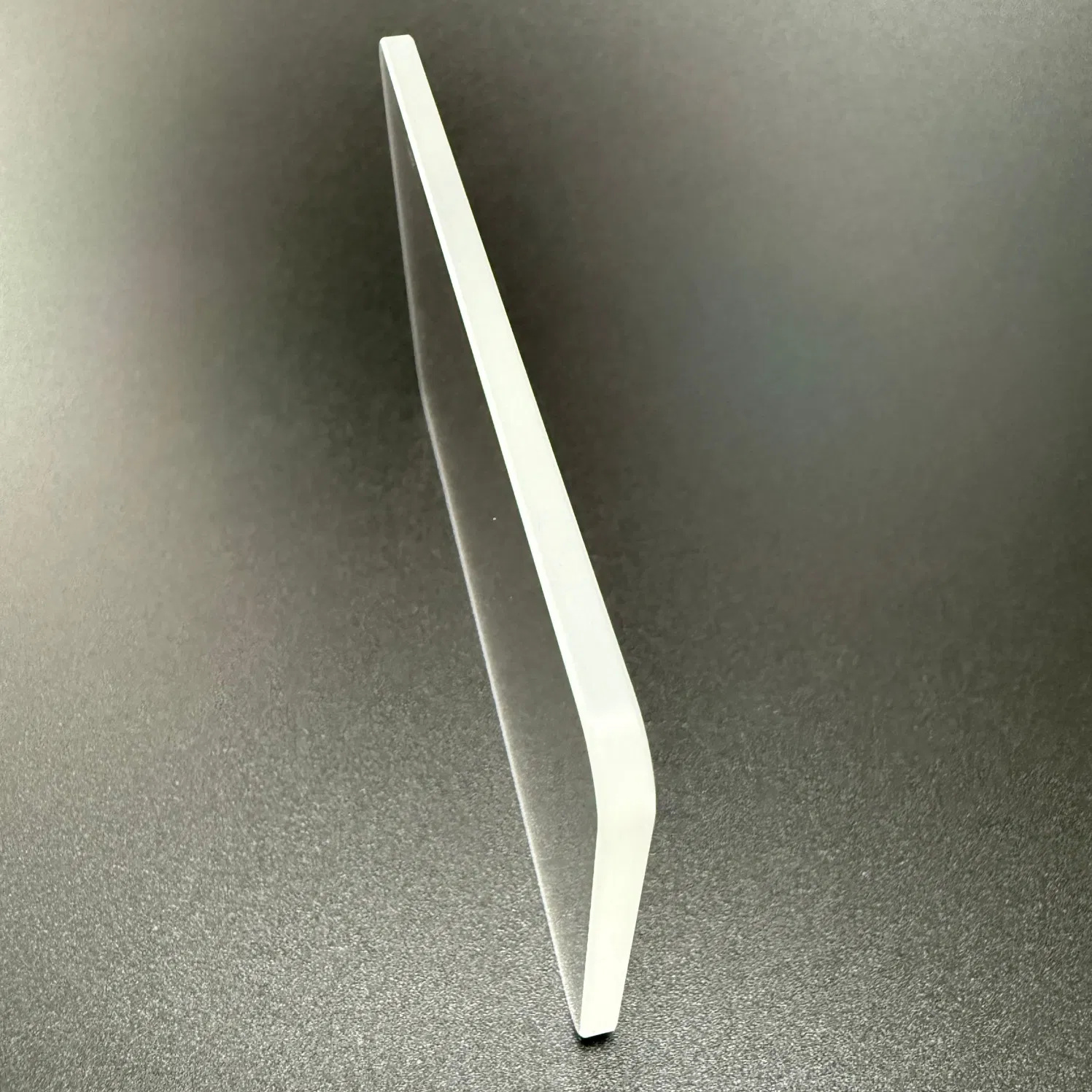
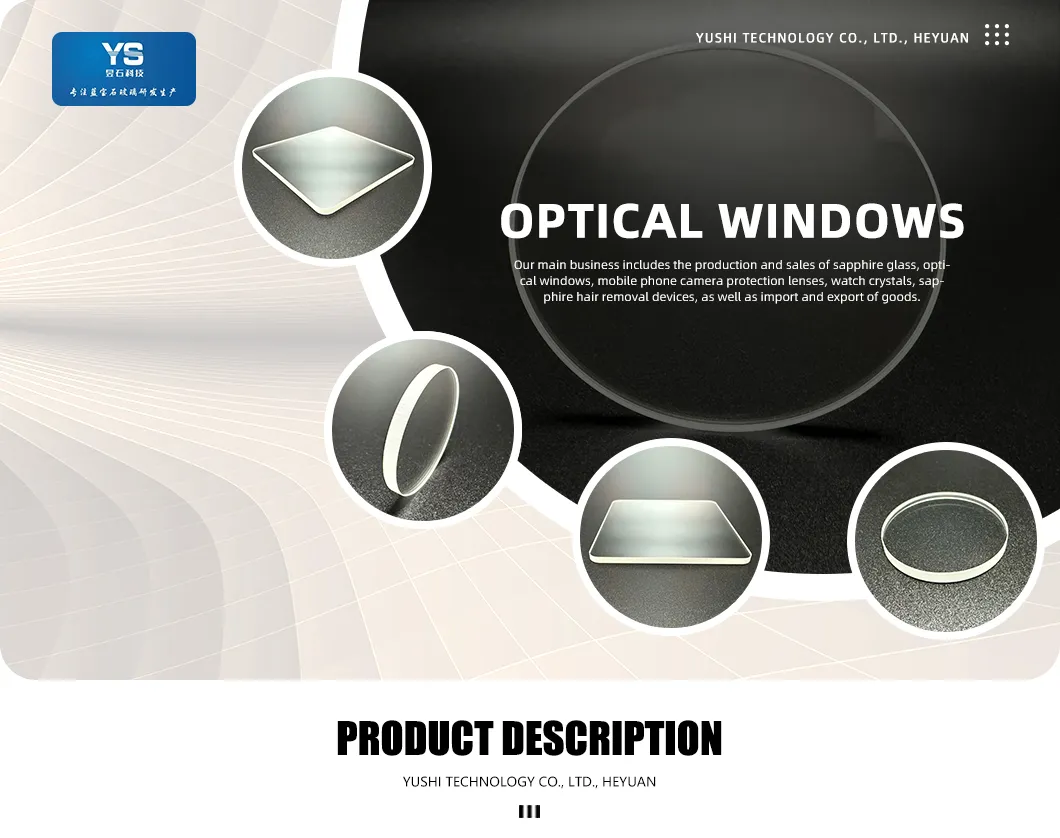
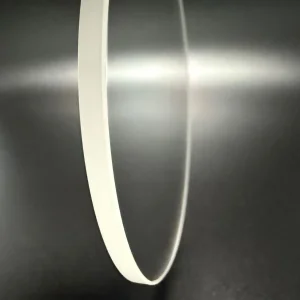
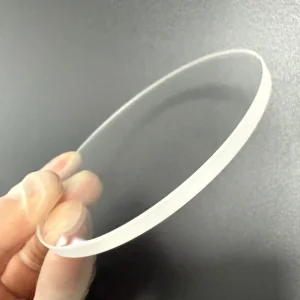
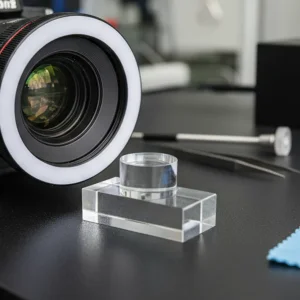
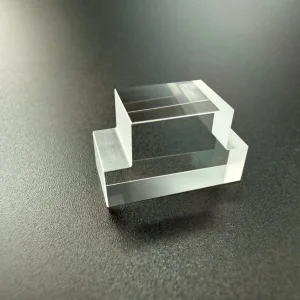
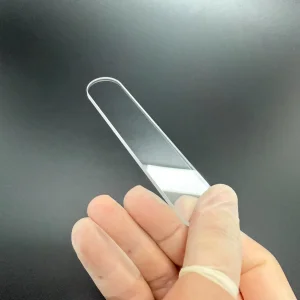
Sapphire Optical Polish CNC High Precision Aspherical Lenses Coated

Still deciding? Get samples of $ !
Order Sample

Product Description

Basic Information

Model NO.
1-1000mm
Type
Geodimeter
Material
Synthetic Sapphire Glass
Magnification
10X
Measurement Range
6~400m
Transmittance
>95%
Hardness
Mohs Hardness of 9
Density
3.98 G/Cm³
Refractive Index
1.76-1.77 (@589nm)
Certification
ISO9001
Production Capacity
1,000,000/Year

Product Gallery

Technical Parameters

Category Parameter Name Value / Description Notes
Basic InfoProduct NameSapphire Glass Optical Window-
MaterialCompositionSingle Crystal α-Aluminium OxideHigh Purity
PhysicalDensity3.97 - 3.99 g/cm³ISO Standard
PhysicalMohs Hardness9Second only to diamond
ThermalMelting Point2040 °CExtremely Stable
OpticalTransmission Range0.15 μm - 5.5 μmDeep UV to Mid-IR
OpticalAbbe Number72.2Low dispersion
SurfaceFinish (Quality)10-5 to 20-10 Scratch-DigMIL-PRF-13830B
CoatingAnti-Reflection (AR)Reduces reflection, increases transmissionCustomizable

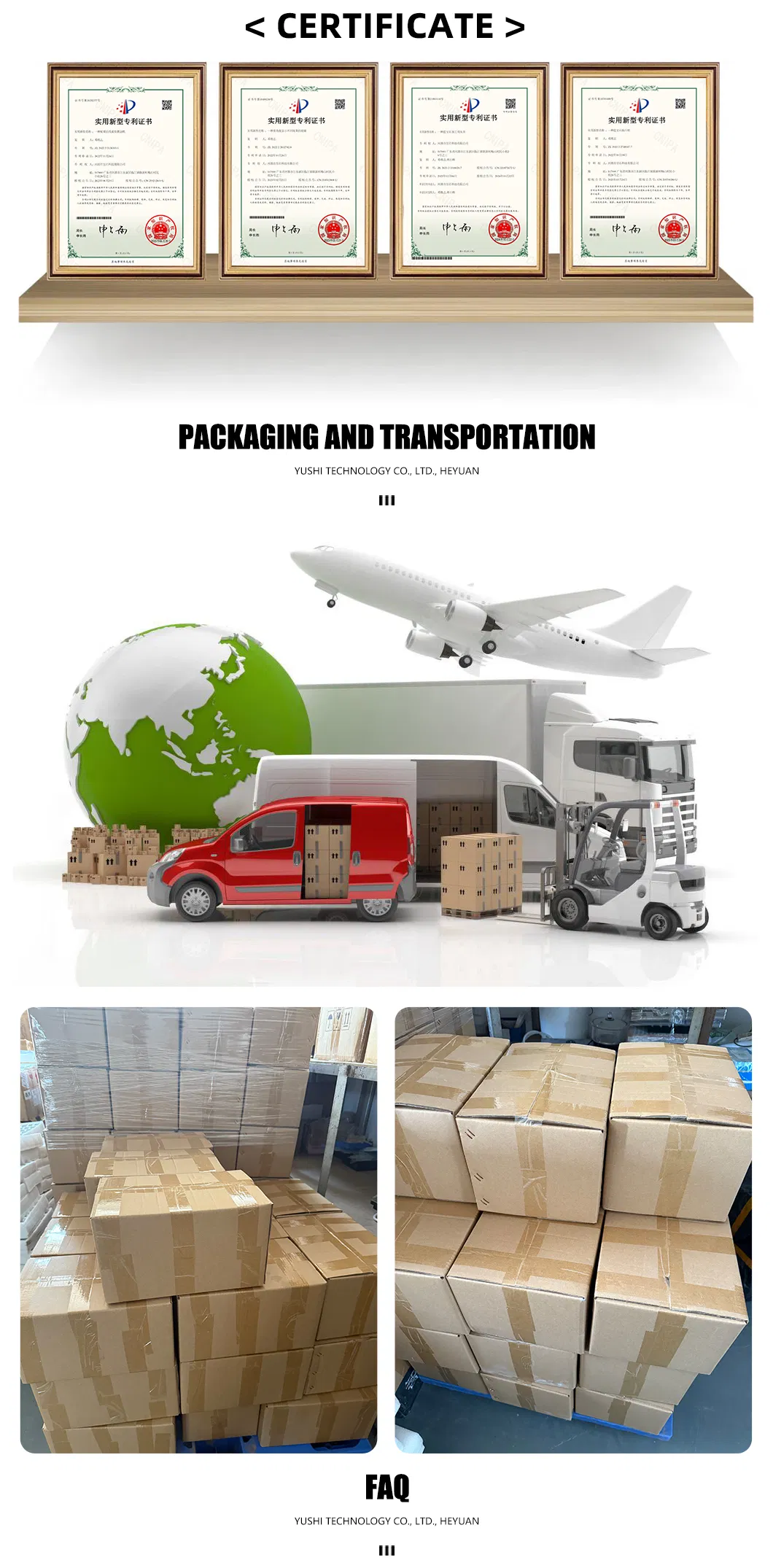
Packaging & Delivery

Package Size
20.00cm * 20.00cm * 20.00cm
Gross Weight
1.000kg
Package Type
Factory-Sealed Protective Case

Frequently Asked Questions

What is the primary material used in these lenses?
The lenses are made from high-purity Synthetic Sapphire Glass (Single Crystal α-Aluminium Oxide), known for its extreme hardness and excellent optical clarity.
How scratch-resistant is sapphire glass?
Sapphire glass has a Mohs hardness of 9, making it the second hardest natural material after diamond. It is highly resistant to scratches and impact, ideal for harsh industrial environments.
What is the light transmission range of your sapphire windows?
Our sapphire optical windows support a wide transmission range from 0.15 μm (Deep UV) to 5.5 μm (Mid-Infrared), with internal transmittance typically exceeding 85%.
Can the lenses be customized with specific coatings?
Yes, we offer various coating options including Anti-Reflection (AR), High Reflection (HR), Oleophobic/Hydrophobic (anti-fingerprint), and conductive ITO coatings to meet specific application needs.
What industries typically use high-precision sapphire lenses?
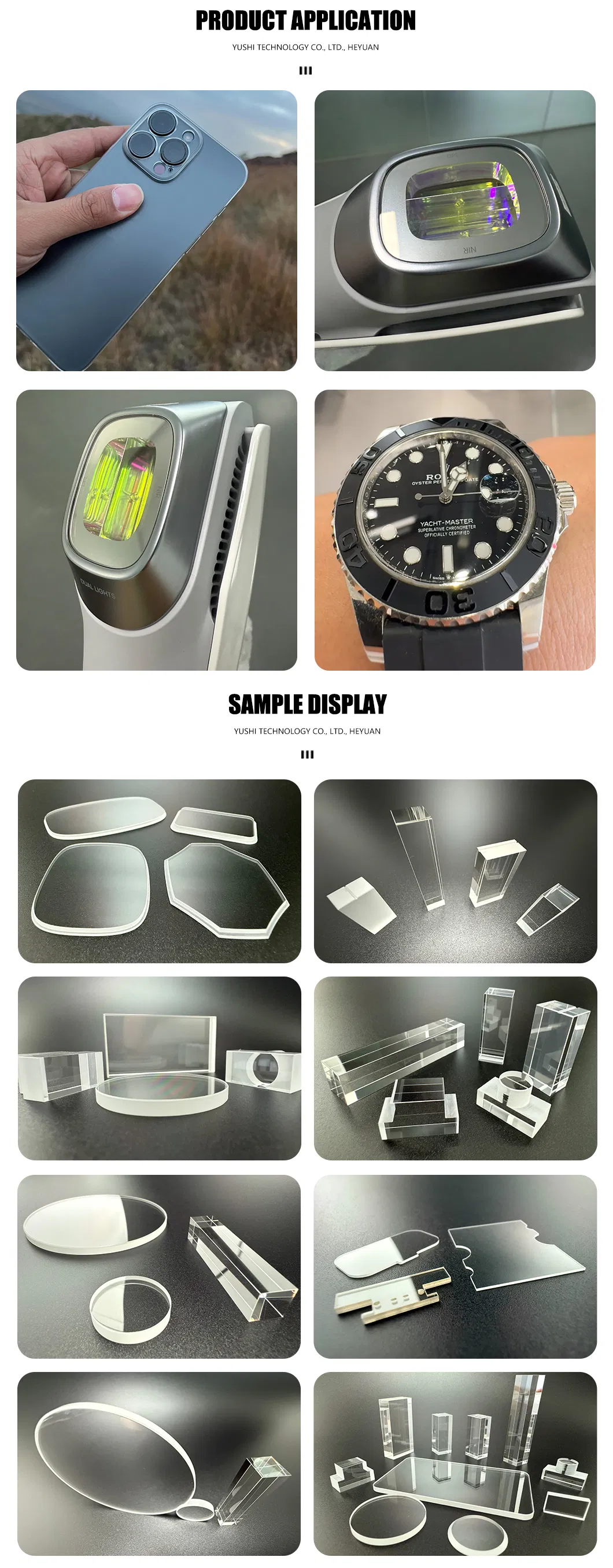
These lenses are widely used in high-end consumer electronics (smartwatches, camera covers), aerospace & defense (missile domes, pod windows), medical devices (endoscopes), and the semiconductor industry.
What temperature range can these sapphire windows withstand?
Sapphire glass remains stable at very high temperatures, with a melting point of 2040 °C. It can operate at up to 1900 °C in vacuum or inert gas environments, and approximately 1000 °C in air.

Related Products