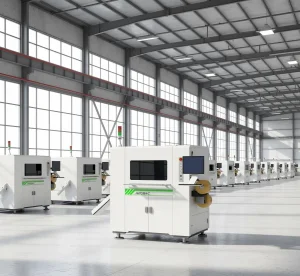
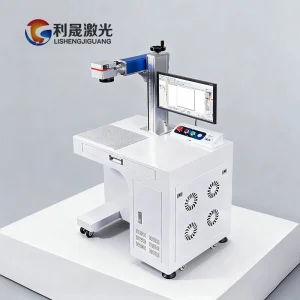
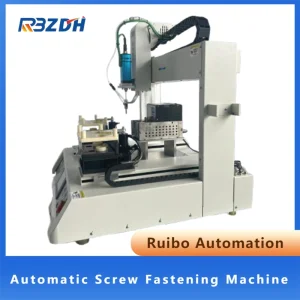
Explore our high-performance precision manufacturing systems engineered for display, medical, semiconductor, and custom industrial manufacturing workflows.
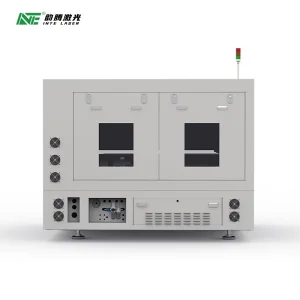
Industrial micro-processing is experiencing a massive transition driven by the demands of modern hardware. As consumer devices, medical instruments, and automotive systems shrink in dimensions while demanding higher performance, traditional welding, cutting, and fastening methods face physics-based limitations. As a premier OEM/ODM laser welding equipment manufacturer and developer, we recognize that structural integrity, absolute thermal control, and nanometer-scale accuracy are non-negotiable requirements for global factories.
Today, the term "laser welding" goes far beyond standard high-power thermal fusion. In the realm of advanced electronics—especially concerning ultra-thin glass (UTG), dense printed circuit boards (PCBs), and multi-layer flexible copper interconnects—laser welding must operate within sub-micron tolerances. Standard setups result in heat-affected zones (HAZ) that can compromise neighboring sensitive components. By utilizing ultrashort pulse (USP) regimes, optical beam profiling, and dynamic galvanometer control, modern manufacturing achieves weld joints that preserve mechanical stability and thermal resilience.
Understanding the key trajectories driving efficiency, scalability, and performance in advanced industrial automation.
Standard static laser beams require perfect joint alignment, which is challenging to execute at high speeds. Dynamic beam oscillation (wobble welding) allows users to programmatically adjust the weld width, frequency, and pattern. This bridges larger joint gaps, refines the solidification micro-structure, and improves tensile strength.
Welding highly reflective materials like copper and gold has traditionally been challenging due to low absorption in the infrared spectrum. Short-wavelength blue (450 nm) and green (532 nm) laser sources achieve high absorption rates, producing spatter-free, highly consistent conductive joints in battery packs and power electronics.
By integrating vision systems, spectrometer monitoring, and real-time back-reflection analysis, automated laser systems detect voids, cracks, and penetration variations as they occur. Artificial intelligence models process this data to adjust laser parameters dynamically, resulting in zero-defect manufacturing lines.
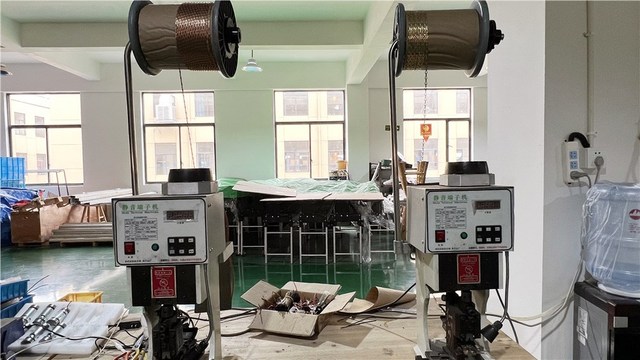
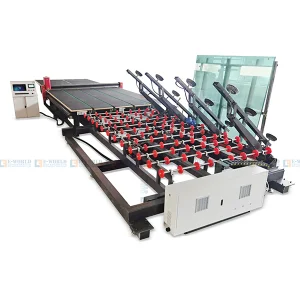
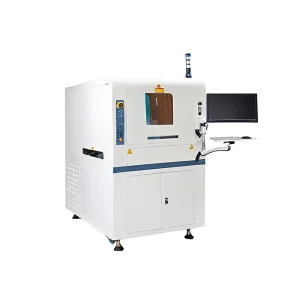
Hangzhou Focus Laser Co., Ltd. is a professional manufacturer specializing in advanced laser processing equipment for the electronics and display industries. The company focuses on the development and production of PCB laser cutting machines and glass laser cutting systems, delivering high-precision solutions for micro-electronics manufacturing and optical material processing.
Its technologies are widely applied in PCB depaneling, flexible circuit board processing, semiconductor packaging, and precision glass cutting for smartphones, display panels, and optical components. By integrating fiber laser technology, ultra-fine beam control, and intelligent CNC systems, Hangzhou Focus Laser ensures high cutting accuracy, smooth edges, and minimal thermal damage during processing.
The company’s equipment is extensively used in industries such as consumer electronics, semiconductor manufacturing, automotive electronics, and smart display production. It supports both high-volume industrial production and customized precision machining requirements.
Hangzhou Focus Laser Co., Ltd. emphasizes innovation, reliability, and engineering excellence. With strong R&D capabilities and strict quality control standards, the company provides OEM and ODM services to meet global customer needs. Continuously advancing laser micro-processing technology, it aims to become a leading global supplier of precision laser solutions for PCB, glass, and advanced electronic manufacturing applications.
Addressing the procurement challenges of international supply chains through tailored technical solutions.
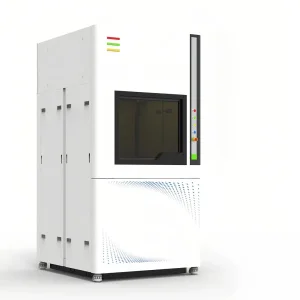
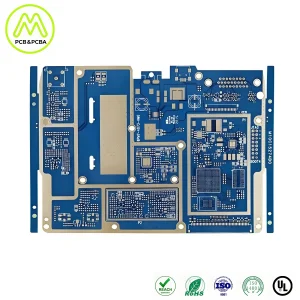
High-density PCBA control systems and flexible circuits require stress-free singulation and joining. Our dynamic UV laser platforms cut, mark, and solder without structural deformation.
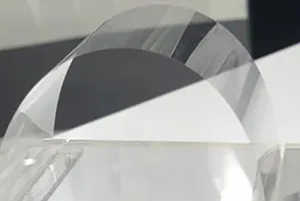
Foldable displays require Ultra-Thin Glass (UTG) with edge profiles free of micro-cracks. Our high-precision glass laser cutting systems deliver pristine edge qualities for smartphones.
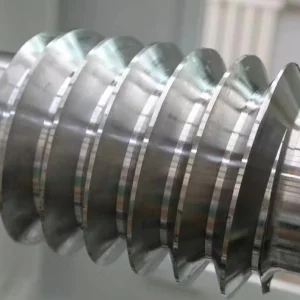
From biocompatible implantable components to custom high-precision screws, laser processing ensures hermetic joints, sterile marking, and precise micro-milling without surface contamination.
A transparent look at our advanced hardware testing, structural components, and system designs to ensure reliability.
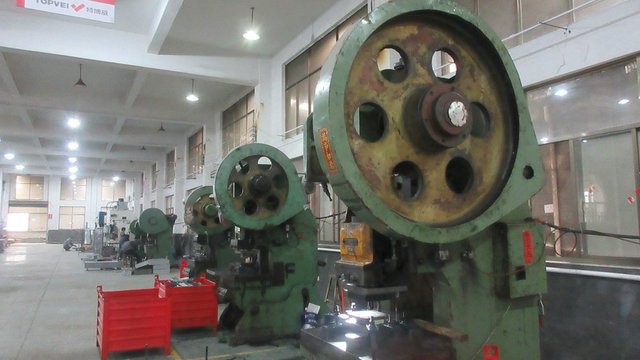
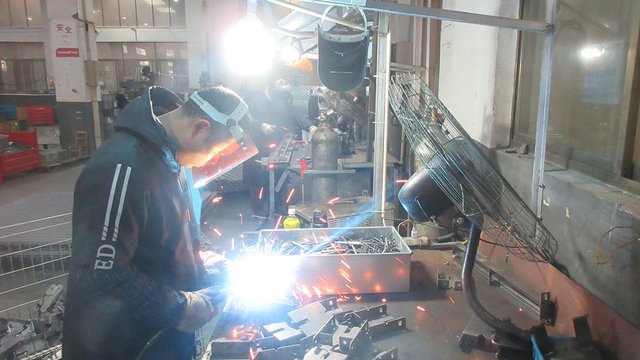
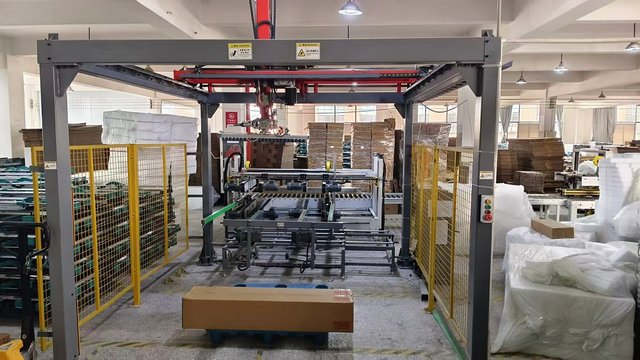
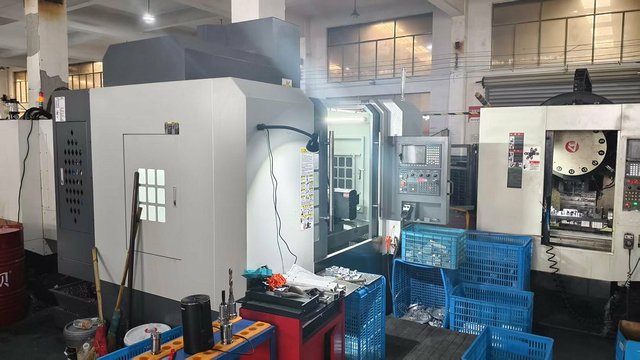
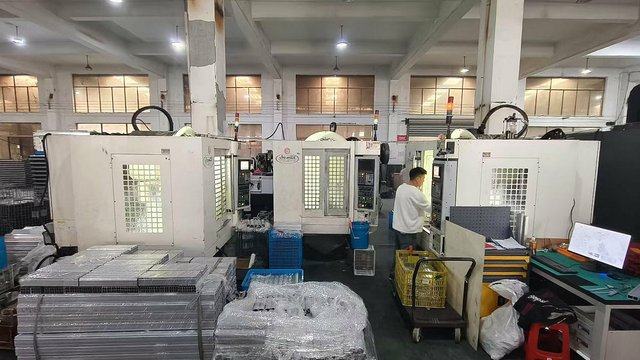
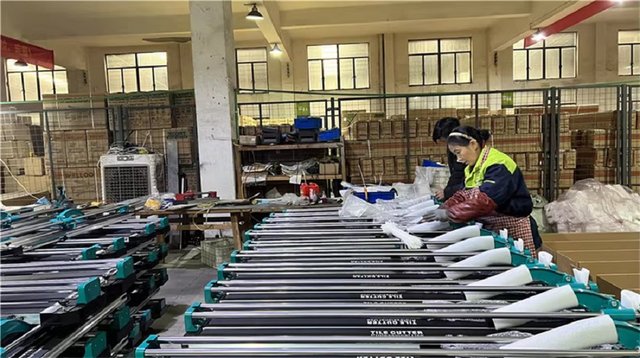
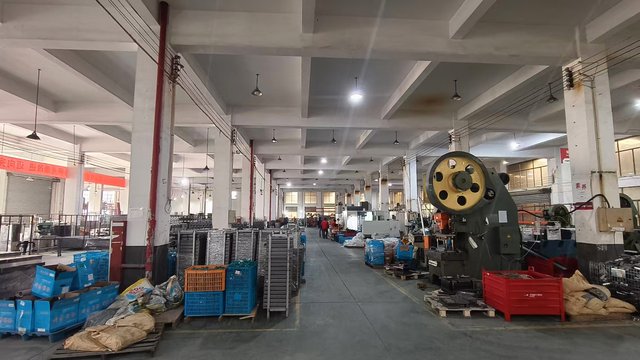

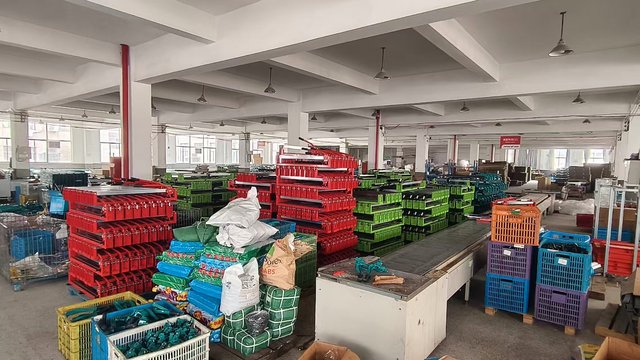
Deploying automated laser welding systems requires rigorous alignment with local safety regulations and operational protocols. Our engineering support structure ensures that every system shipped conforms to standard regulations such as CE (Europe), FDA/CDRH (United States), UL, RoHS, and specific regional safety requirements.
We supply comprehensive system integration documentation, electrical schematics, and structural stress validations. In addition to hardware compliance, we establish detailed Service Level Agreements (SLAs) with global partners, including remote diagnostics, on-site installation, application-engineering evaluations, and quick-response component supply chains.
Answers to common questions from manufacturing engineers, system integrators, and procurement directors.
We minimize HAZ by using ultrashort pulse laser sources (femtosecond/picosecond) or high-frequency pulsed fiber lasers. Additionally, we integrate dynamic wobble heads that distribute energy evenly across the weld seam without overheating adjacent components. This makes it suitable for sensitive PCB assemblies and micro-electronics.
Yes, our advanced UTG laser cutting equipment utilizes short-wavelength lasers paired with custom focal optics to achieve stress-free cutting. This process reduces micro-cracking and maintains edge strength, allowing the glass to bend repeatedly without fracturing.
We provide full-spectrum engineering services including optical path simulation, CAD frame design, control interface customization, automation integration, and pilot-scale testing. Our engineers design systems to plug directly into your MES factory databases.
Our systems are designed as CDRH Class I laser enclosures, featuring safety interlocking circuits, dual-channel E-stop buttons, and laser-safe viewing windows (OD6+ or higher) to protect personnel from scattered radiation.
We provide remote telemetry for software troubleshooting, custom updates, and parameter optimization. For physical hardware support, we work with localized technicians and dispatch field application engineers for critical servicing and commissioning.
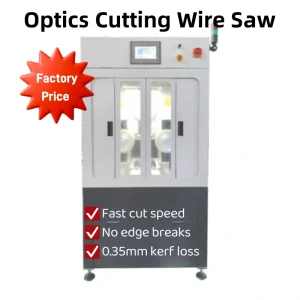
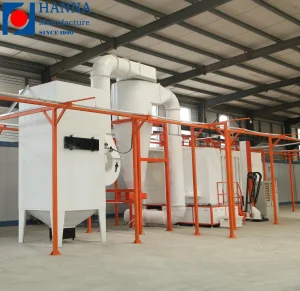
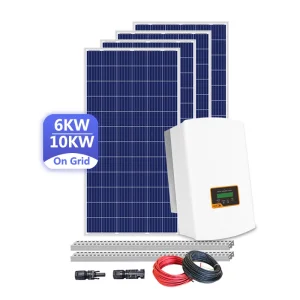
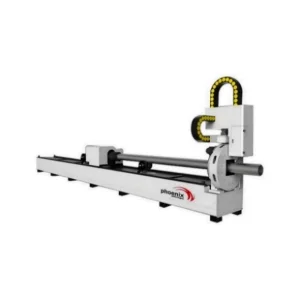
Complementary system integration tools, specialized surface finishing, and high-capacity processing equipment.
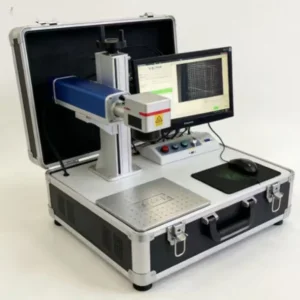
 Focus Laser