The global industrial landscape is undergoing a massive shift toward "Micro-Manufacturing" and "High-Precision Fabrication." Laser cut design solutions have transitioned from simple cutting tools into sophisticated, integrated systems capable of processing materials at the micron level. In 2024, the demand for precision laser cutting—especially in the semiconductor, 3C electronics (Computer, Communication, and Consumer electronics), and automotive sectors—has seen an unprecedented surge.
From the delicate traces on a Flexible Circuit Board (FPC) to the ultra-thin glass panels of modern smartphones, traditional mechanical cutting methods can no longer meet the stringent requirements for edge quality, thermal control, and speed. Laser solutions offer a non-contact, high-efficiency alternative that minimizes material waste and maximizes throughput.
💡 Industry Insight: The global laser cutting machine market is projected to reach USD 8.5 billion by 2030, driven by the rapid adoption of Fiber and UV Picosecond technologies in smart manufacturing.
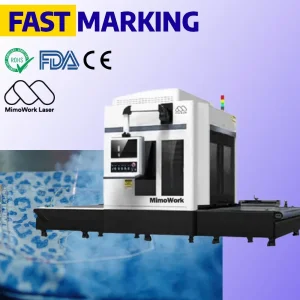
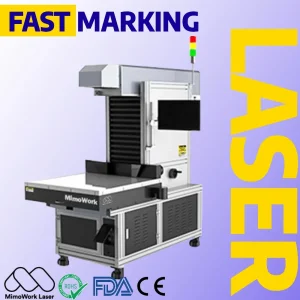
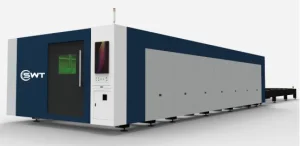
Utilizing high-frequency scanning to achieve rapid marking and engraving on electronic components with 100W-350W power options.
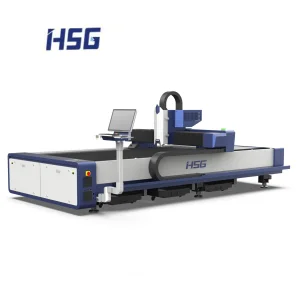
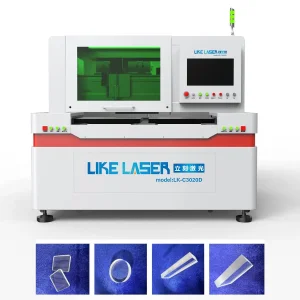
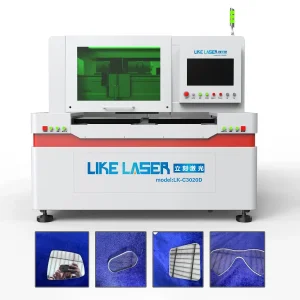
Cold processing technology that eliminates heat-affected zones, ideal for brittle materials like glass and sapphire.
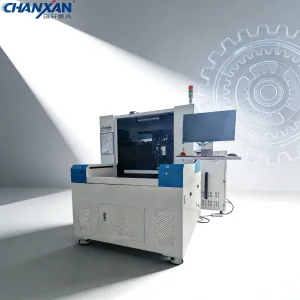
Modular designs allow factories to integrate laser systems into existing assembly lines for full automation.
Modern laser systems now utilize AI algorithms for real-time beam adjustment and error correction, ensuring 99.9% yield rates in complex PCB cutting.
Reduced power consumption and the elimination of chemical etching processes make laser cutting the primary choice for ESG-compliant factories.
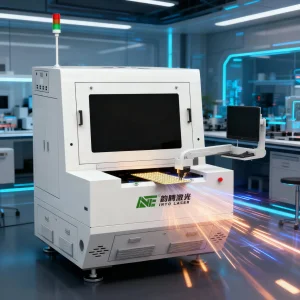
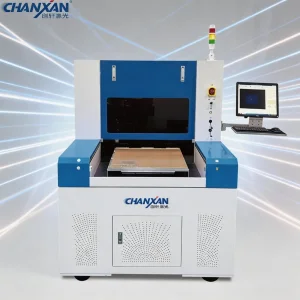
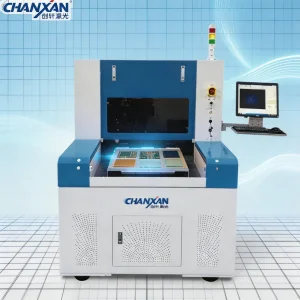
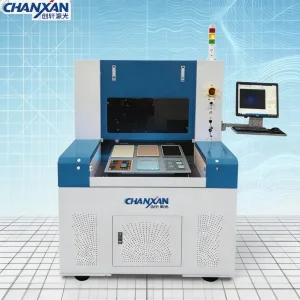
As devices get smaller, the need for UV Picosecond lasers that can cut COB substrates and precision electronics becomes paramount.
Hangzhou Focus Laser Co., Ltd. is a professional manufacturer specializing in advanced laser processing equipment for the electronics and display industries. The company focuses on the development and production of PCB laser cutting machines and glass laser cutting systems, delivering high-precision solutions for micro-electronics manufacturing and optical material processing.
Its technologies are widely applied in PCB depaneling, flexible circuit board processing, semiconductor packaging, and precision glass cutting for smartphones, display panels, and optical components. By integrating fiber laser technology, ultra-fine beam control, and intelligent CNC systems, Hangzhou Focus Laser ensures high cutting accuracy, smooth edges, and minimal thermal damage during processing.
The company’s equipment is extensively used in industries such as consumer electronics, semiconductor manufacturing, automotive electronics, and smart display production. It supports both high-volume industrial production and customized precision machining requirements.
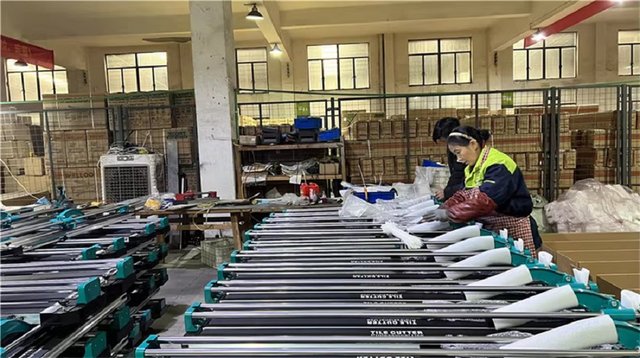
As a leading Chinese factory, Hangzhou Focus Laser leverages the world's most robust industrial supply chain. We offer:
• Cost Efficiency: Access to high-quality components at a fraction of the cost.
• Rapid Prototyping: Move from design to a working machine in weeks, not months.
• Customization: Specialized software and hardware tuning to meet unique industrial footprints.
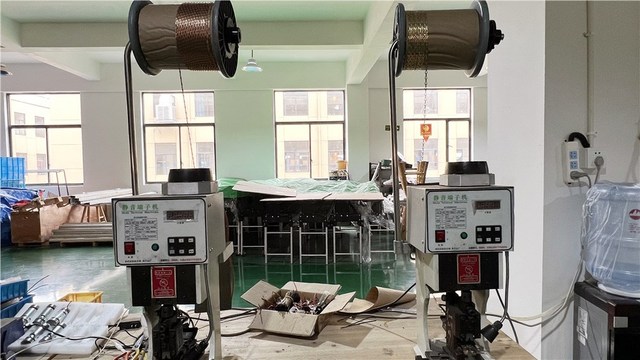
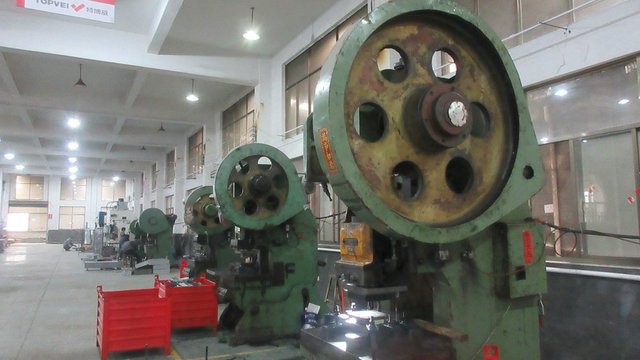
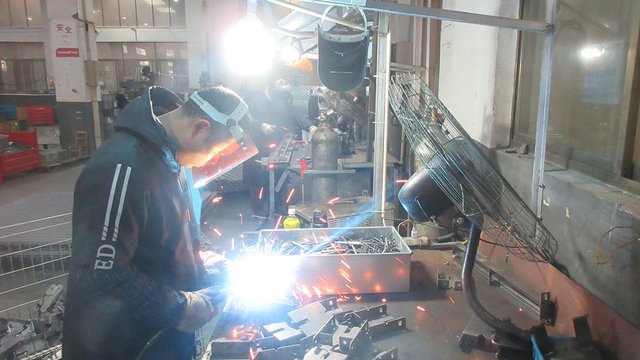
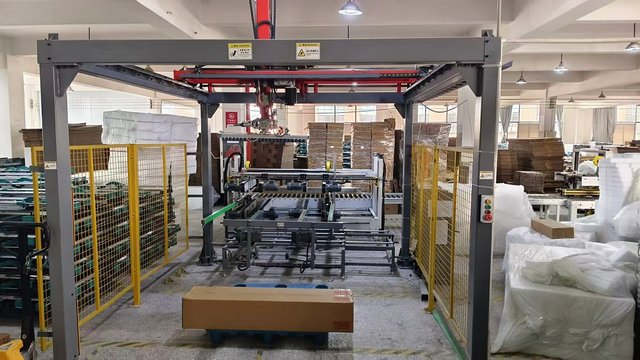
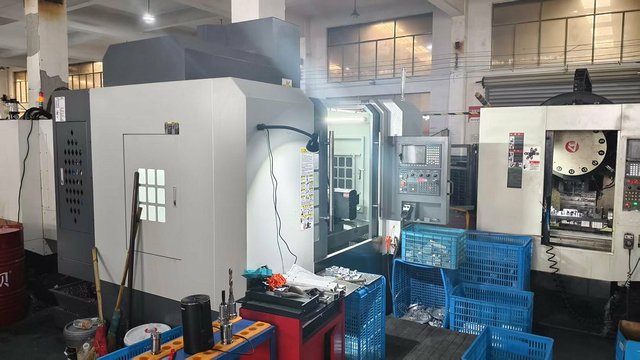
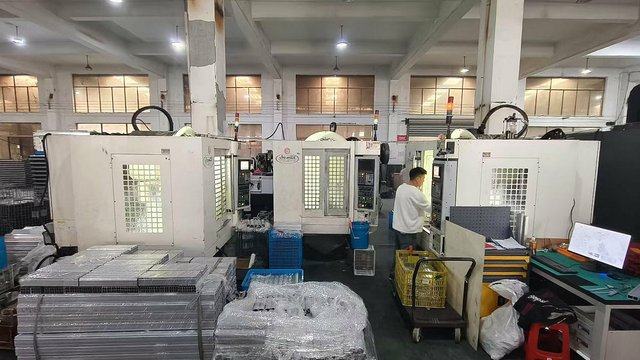
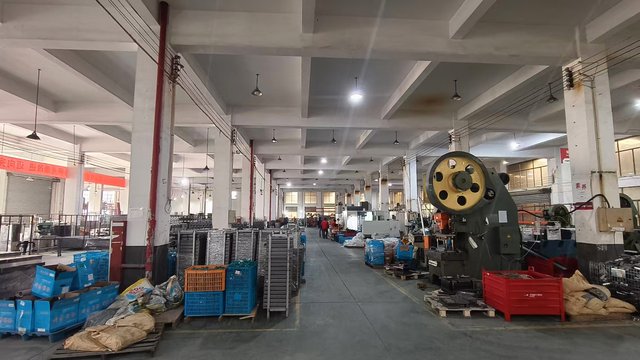

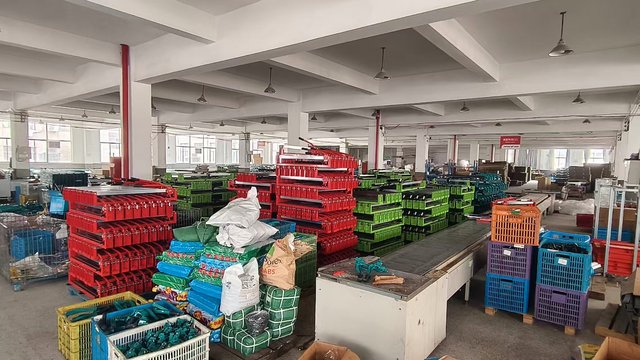
Hangzhou Focus Laser Co., Ltd. emphasizes innovation, reliability, and engineering excellence. With strong R&D capabilities and strict quality control standards, the company provides OEM and ODM services to meet global customer needs. Continuously advancing laser micro-processing technology, it aims to become a leading global supplier of precision laser solutions for PCB, glass, and advanced electronic manufacturing applications.
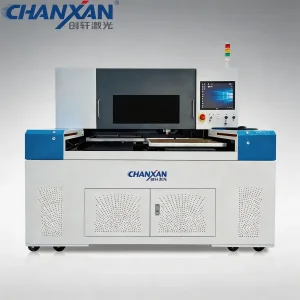
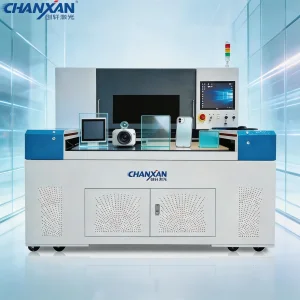
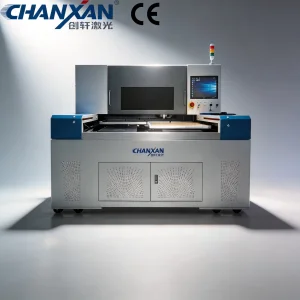
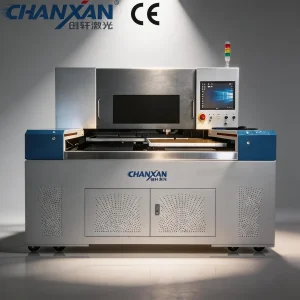
Our UV Picosecond Glass Cutting Machines represent the pinnacle of industrial laser engineering. By using ultra-short pulse widths, we achieve "cold" ablation, allowing for the separation of 3C display panels with zero micro-cracks and no need for secondary polishing. Similarly, our FPC Laser Cutters utilize high-speed vision positioning to follow complex circuit patterns with ±10μm accuracy, a requirement for modern smartphone internal components.
 Focus Laser