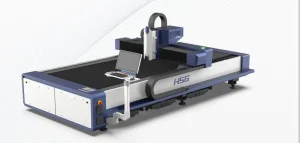
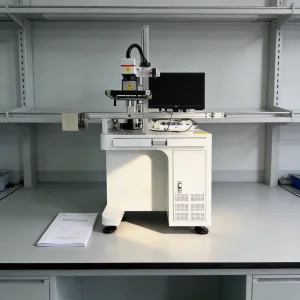
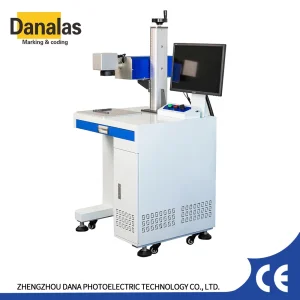
Discover our primary lineup of custom engineered micro-electronics processing, material preparation, and precision surface activation solutions.
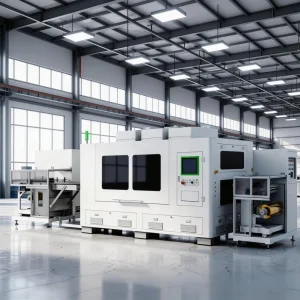
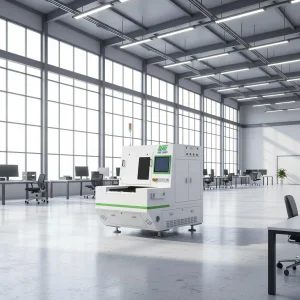
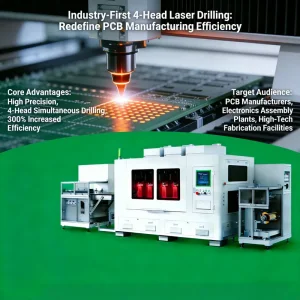
Hangzhou Focus Laser Co., Ltd. is a professional manufacturer specializing in advanced laser processing equipment for the electronics and display industries. The company focuses on the development and production of PCB laser cutting machines and glass laser cutting systems, delivering high-precision solutions for micro-electronics manufacturing and optical material processing.
Its technologies are widely applied in PCB depaneling, flexible circuit board processing, semiconductor packaging, and precision glass cutting for smartphones, display panels, and optical components. By integrating fiber laser technology, ultra-fine beam control, and intelligent CNC systems, Hangzhou Focus Laser ensures high cutting accuracy, smooth edges, and minimal thermal damage during processing.
The company’s equipment is extensively used in industries such as consumer electronics, semiconductor manufacturing, automotive electronics, and smart display production. It supports both high-volume industrial production and customized precision machining requirements.
Hangzhou Focus Laser Co., Ltd. emphasizes innovation, reliability, and engineering excellence. With strong R&D capabilities and strict quality control standards, the company provides OEM and ODM services to meet global customer needs. Continuously advancing laser micro-processing technology, it aims to become a leading global supplier of precision laser solutions for PCB, glass, and advanced electronic manufacturing applications.
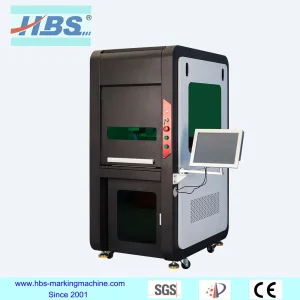
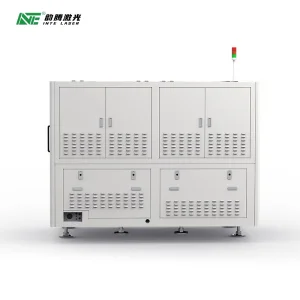
We offer end-to-end integration for specialized industrial laser processing units, matching exact physical dimensions, wavelengths, spot sizes, and software controllers to your production line requirements.
Exploring the molecular kinetics, optical thermodynamics, and commercial impact of laser ablation in advanced manufacturing.
Laser cleaning operates via selective ablation. When a high-intensity pulsed laser beam interacts with a substrate, the surface contaminant layer (oxide, organic coating, or particulate film) absorbs the rapid energy pulses. This energy transforms into intense localized heat, causing instantaneous thermal expansion and vaporization. Crucially, the substrate material possesses a higher damage threshold than the contaminant layer, ensuring a damage-free surface preparation process.
Choosing between Pulsed (PL) and Continuous Wave (CW) laser systems is critical. Pulsed lasers deliver high peak power with minimal thermal input, rendering them perfect for delicate substrates, silicon wafers, aerospace composites, and precision molds. CW lasers offer a high average power, ideal for rapid rust removal, large-scale steel structural preparation, and marine deck cleaning where micro-level thermal stress is not a design constraint.
Our OEM/ODM solutions integrate custom optics, focusing lenses, and dual-axis galvanometer scanner heads to project precise beam profiles. Options include linear, circular, spiral, and grid scanning patterns. Proper pattern selection prevents hot spots, reduces surface roughness deviation, and enables operators to control material extraction layers down to sub-micron accuracy, which is crucial for paint stripping and adhesive bonding prep.
Understanding how modern enterprises deploy laser cleaning to comply with global ESG goals, decrease Opex, and improve safety.
In modern industrial manufacturing, environmental regulations and cost constraints drive organizations away from chemical pickling, sandblasting, and dry ice blasting. Chemical solvents require complex disposal procedures and create VOC risks, while abrasive media cause physical wear on high-tolerance tooling. Laser cleaning offers a "zero-contact, zero-chemical" solution, aligning perfectly with ISO 14001 guidelines and corporate ESG mandates.
Perfect for cleaning oxide scales off copper and aluminum busbars before laser welding. Ensures minimal electrical resistance and 100% bond reliability in EV battery pack assemblies.
Selective stripping of polyurethane primer coats from carbon fiber reinforced polymers (CFRP) without micro-cracking or matrix fiber degradation, preserving structural integrity.
Removing organic particulates and sub-micron residue from ceramic chip trays, precision chucks, and photolithography masks without surface damage.
Online cleaning of rubber, plastic, and polyurethane residue from steel or aluminum molds. Drastically reduces downtime by eliminating the need to cool and disassemble tooling.
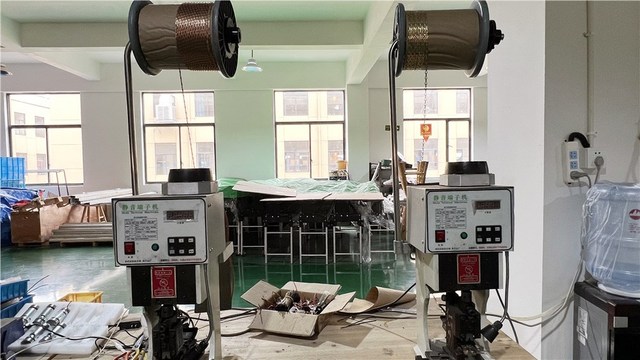
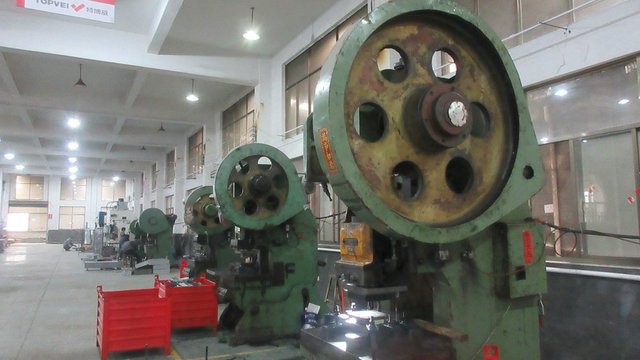
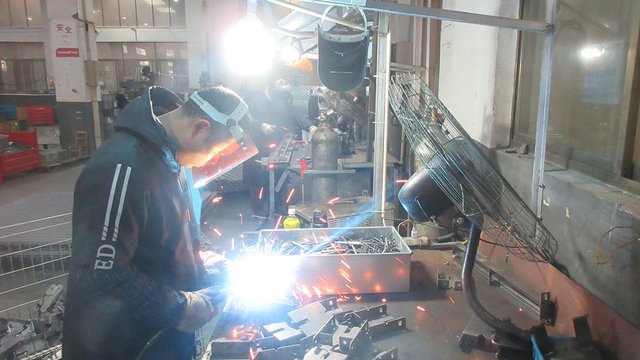
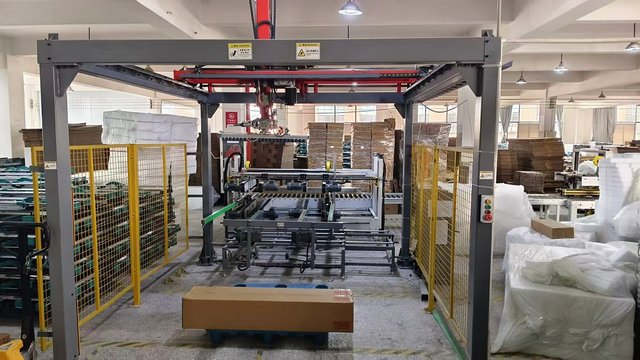
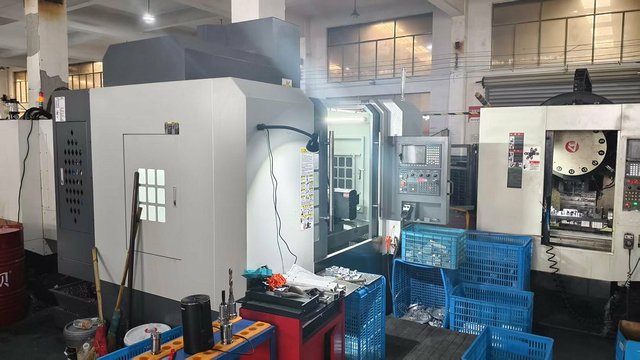
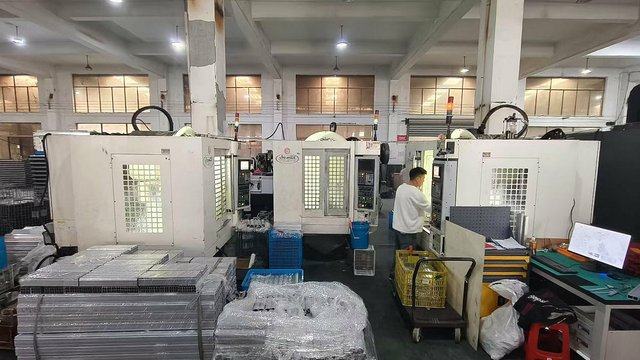
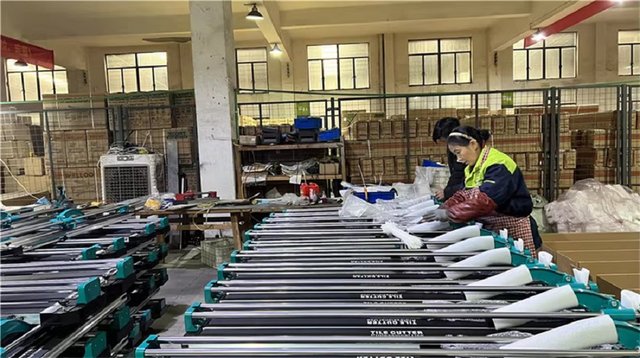
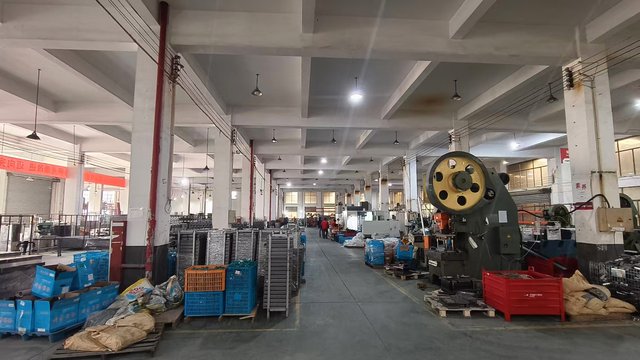
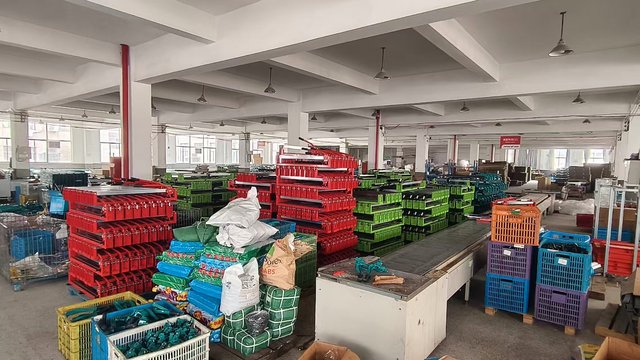
Inside our manufacturing facility, R&D center, and real-world system deployments.

Ensuring operational safety, seamless regulatory approvals, and field engineering support in your jurisdiction.
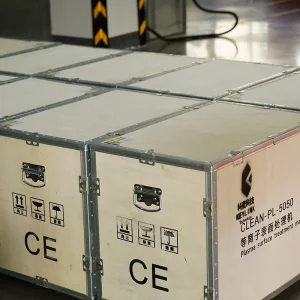
Operating high-power laser cleaning equipment (Class 4/IV devices) requires absolute safety compliance. All our OEM systems feature optional Class 1 enclosures, custom safety light curtains, interlocking panels, and passive viewing glass certified to EN 207 standards. We coordinate with local safety officers to meet FDA CDRH requirements in the US, and CE Machinery Directives in the EU.
Laser ablation vaporizes surface materials, creating fine dust, aerosols, and carbonaceous gases. Our integrated system solutions include multi-stage HEPA filter vacuum extractors. Specially designed nozzles sit directly adjacent to the laser spot, capturing 99.97% of particulates down to 0.3 microns, protecting operators and preventing cross-contamination of components.
To reduce integration times, we provide comprehensive localized engineering services. Our teams perform initial simulation assessments, select optimal wavelength configurations, and provide on-site calibration. Through remote diagnostic tools and our global network of field service engineers, we ensure continuous technical support and rapid access to spare parts.
The next evolution of laser surface modification technology, from AI feedback systems to ultrashort pulse engineering.
As industrial automation demands higher throughput and smart operations, laser cleaning systems evolve towards intelligent, closed-loop process control. Our R&D team targets the following core innovations:
By integrating Laser-Induced Breakdown Spectroscopy (LIBS) directly into the processing head, the machine analyzes light emissions from the ablation plume. The system detects chemical profiles in real-time, automatically shutting down the pulse array the millisecond the substrate is exposed, preventing substrate erosion.
Moving beyond nanosecond pulse durations, our roadmap incorporates femtosecond laser configurations. Ultrashort pulses perform "cold ablation," vaporizing molecules faster than heat can conduct into the bulk lattice. This technology is critical for processing sub-micron electronic components and advanced OLED display panel stacks.
Using integrated machine vision systems and deep learning algorithms, our machines identify spatial distributions of corrosion and vary laser pulse density over the surface. The scanner head slows down over heavily oxidized regions and accelerates over clean surfaces, optimization of cycle times and energy efficiency.
Answers to complex inquiries regarding laser cleaning physics, parameter optimization, and cost-benefit ratios.
Every material has a specific laser damage/ablation threshold measured in energy density per unit area (Fluence, J/cm²). Contaminants like oxides, paint coatings, and oils have significantly lower thresholds than metals like steel, aluminum, or copper. By tuning laser variables (pulse width, frequency, beam overlap, and spot size), we set output parameters above the contaminant threshold but below the substrate threshold, ensuring a self-limiting, non-destructive cleaning process.
The core fiber laser source of our OEM platforms has an MTBF (Mean Time Between Failures) of 100,000 operational hours. Since laser cleaning uses no solvents, blasting media, or cutting tools, the system requires no physical consumable replenishment. Maintenance tasks are limited to regular inspection and cleaning of the protective lens cover window, checking cooling water levels (for water-cooled systems), and replacing particulate filters in the extraction unit.
Yes. By employing multi-axis CNC gantries, articulated 6-axis robotic arms, and 3D dynamic focusing lenses, we can alter the focal length and incidence angle in real-time. This allows the laser spot to track curved contours, deep cavities, and complex geometric structures without loss of energy density or cleaning quality.
Laser cleaning not only removes rust, grease, and oxides but also alters the microscopic topography of the substrate. It creates micro-structured craters or channels that increase surface energy and surface area. This results in superior mechanical interlocking, significantly improving bond strength for adhesives, thermal sprays, and paints compared to traditional solvent-wiped or grit-blasted substrates.
Expand your capabilities with our specialized drilling, slicing, solar structure, and sheet metal systems.
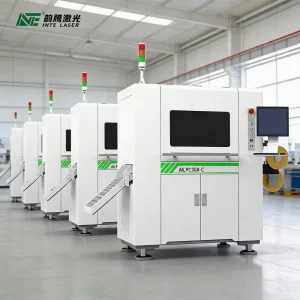
 Focus Laser